Skip to content

All reviews, by what the thing does

61 products tested and compared, grouped along the chain from bean to cup rather than by brand or by price.

  • Best milk system

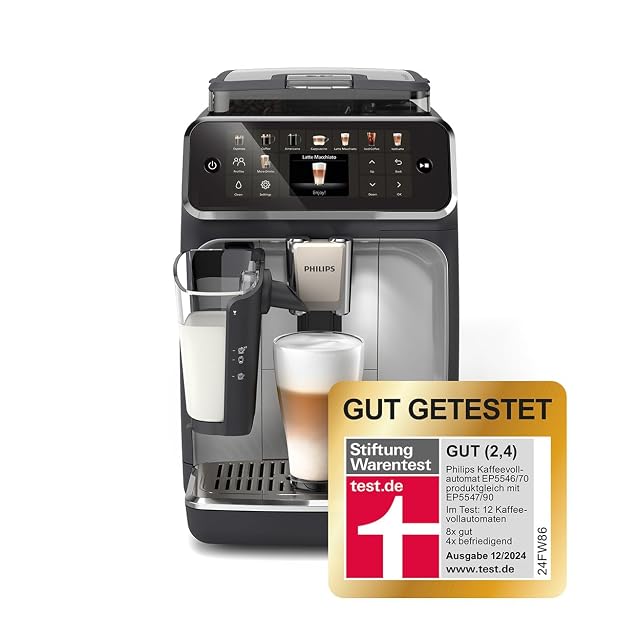
    Philips 5500 Series LatteGo

    12-step ceramic burr · 20 drinks · 2-part milk system

    LatteGo is the only automatic milk system we do not resent cleaning: two parts, no tubes, both dishwasher-safe. Combined with ceramic burrs that will outlast the machine, it makes this the sensible middle of the bean-to-cup market.

    Best for: A household where two or three people each drink something different, with milk.

    8.4/10

    ≈ $800 / £600 / 600 €
  • Best espresso from an automatic

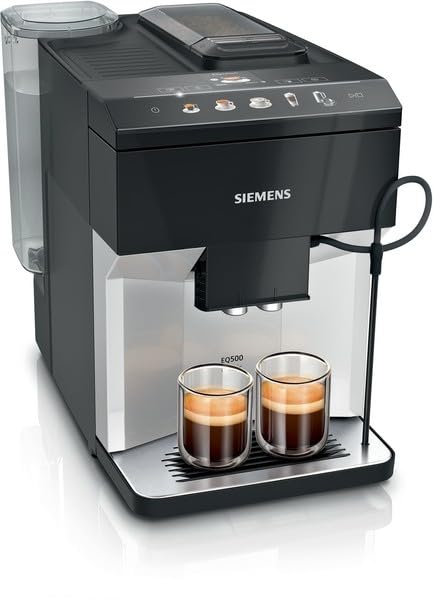
    Siemens EQ.500 integral

    Ceramic burr · iAroma system · milk carafe

    The best straight espresso in the automatic mid-range, from a brand that quietly builds these for Bosch too. Its weakness is the same as every premium automatic: you cannot take the brew unit out.

    Best for: A household that wants espresso quality closer to Jura without paying Jura money.

    8.3/10

    ≈ £750 / 800 €

  • Two beans at once

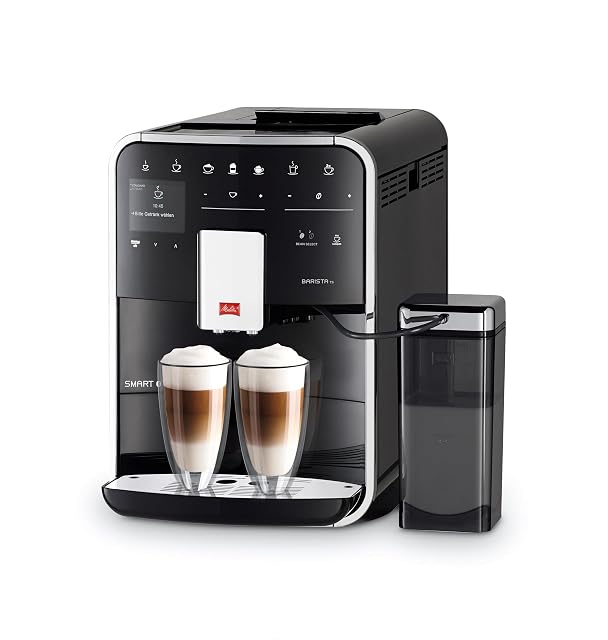
    Melitta Barista TS Smart

    Bean chambers ×2 · 21 drinks · app control

    Two separate bean chambers, so a decaf drinker and an espresso drinker share one machine without either compromising. The app is beside the point; the second hopper is not.

    Best for: A household where one person drinks decaf after six and nobody wants to swap beans.

    8.2/10

    ≈ £900 / 950 €

  • Best first bean-to-cup

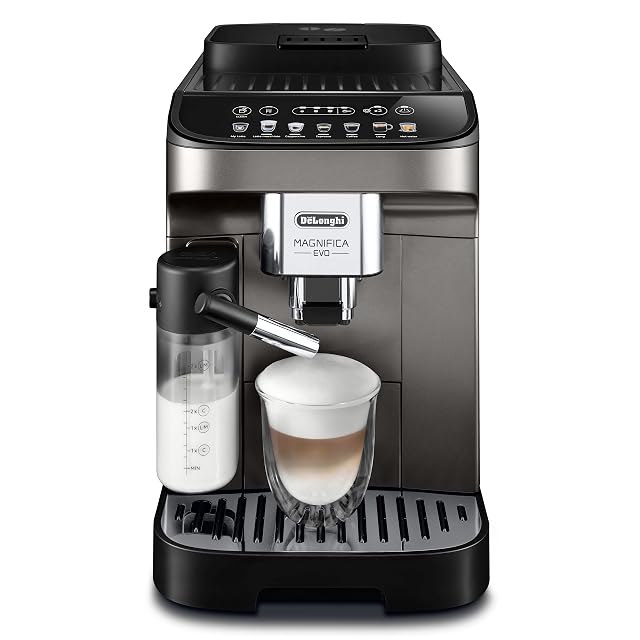
    De'Longhi Magnifica Evo

    13-step steel burr · manual or LatteCrema wand

    The machine most people should start with. The grinder is ordinary and the coffee is good rather than great — but the brew unit pops out in two seconds, and that single design decision is why these are still running after eight years.

    Best for: Someone moving off capsules who wants fresh coffee without a hobby attached.

    8.1/10

    ≈ $600 / £450 / 450 €

  • Best if you never make milk drinks

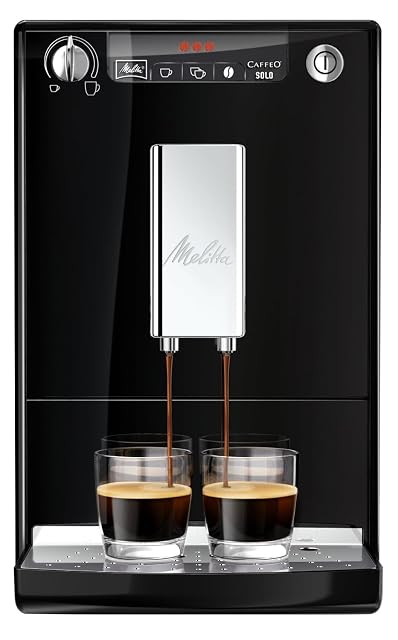
    Melitta Caffeo Solo

    Steel conical burr · 1.2 L · black coffee only

    A bean-to-cup machine that deliberately does not do milk, and is cheaper, narrower and simpler for it. If you drink your coffee black, you are paying for nothing you do not use.

    Best for: Espresso, lungo and americano drinkers who genuinely never make a cappuccino.

    7.9/10

    ≈ £280 / 300 €

  • Best short-shot extraction

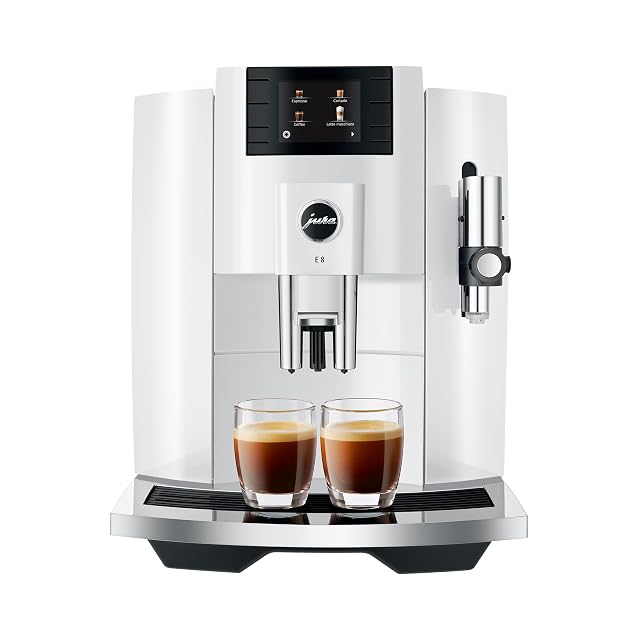
    JURA E8

    Pulse Extraction · sealed brew unit · 17 drinks

    The best espresso an automatic machine makes, from a company that will not let you clean the part that brews it. Extraordinary in the cup, uncomfortable as a ten-year purchase — and you should know both before spending this much.

    Best for: Someone who drinks short black coffee daily, values the cup over the repair bill, and will pay for it.

    7.6/10

    ≈ $2,000 / £1,300 / 1 200 €

  • Best way to start espresso

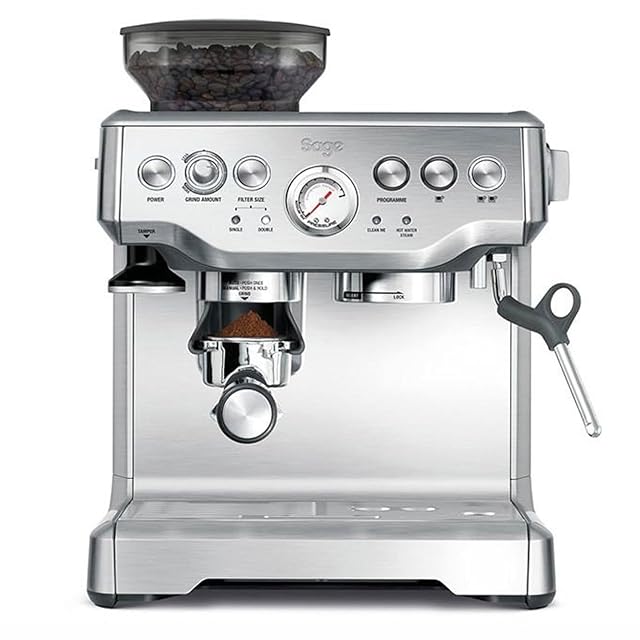
    Sage Barista Express

    54 mm portafilter · built-in conical burr · 2 L tank

    Machine and grinder in one box, at a price that undercuts buying them separately. The compromises are real — 54 mm basket, single boiler, a grinder you will outgrow — but nothing else takes a beginner this far this cheaply.

    Best for: Your first portafilter machine, if you want one purchase rather than a project.

    8.6/10

    ≈ $700 / £550 / 600 €
  • Best machine to keep

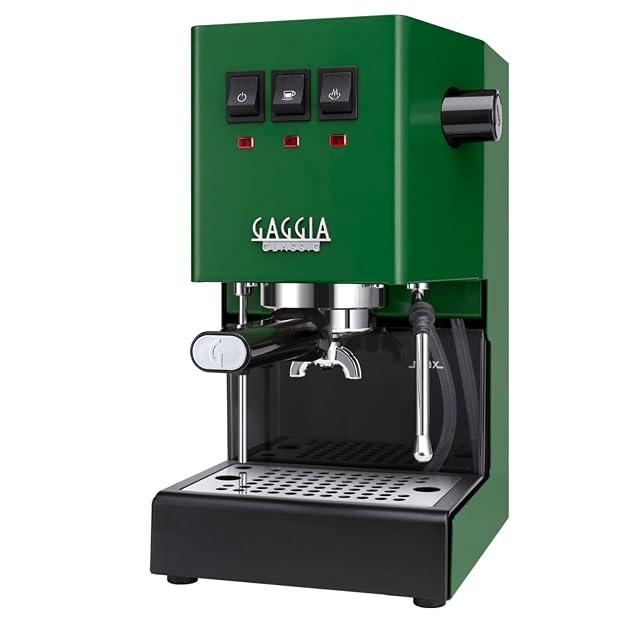
    Gaggia Classic Evo Pro

    58 mm commercial portafilter · 3-way solenoid · steel body

    A 58 mm commercial portafilter, a steel body and a three-way solenoid, in a machine cheap enough to modify. Nothing else at this price is still worth owning in fifteen years, and nothing else has this much of an aftermarket.

    Best for: Someone who wants one espresso machine for the next fifteen years and does not mind learning it.

    8.5/10

    ≈ $500 / £400 / 450 €

  • PID at the entry price

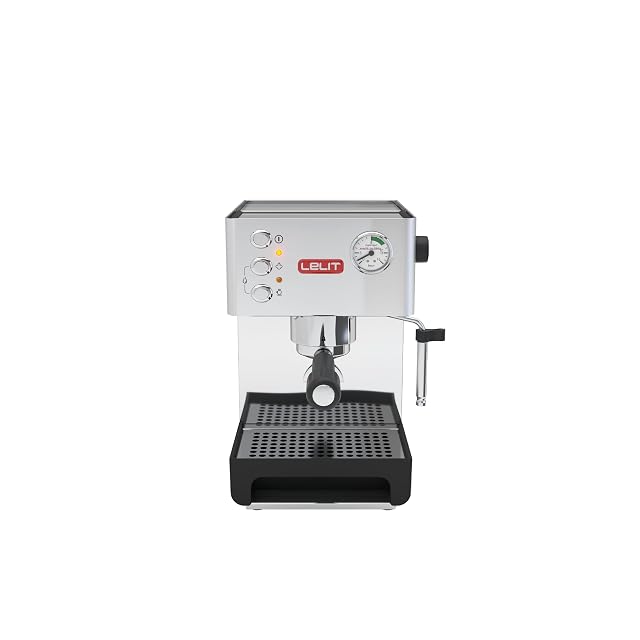
    Lelit Anna PL41TEM

    58 mm · PID temperature control · single boiler

    A 58 mm single boiler with a proper PID, which is a specification that normally starts several hundred higher. Temperature you can set and trust, in a machine that costs about what a Gaggia does.

    Best for: Someone who wants repeatable brew temperature without stepping up to a dual boiler.

    8.5/10

    ≈ £450 / 480 €

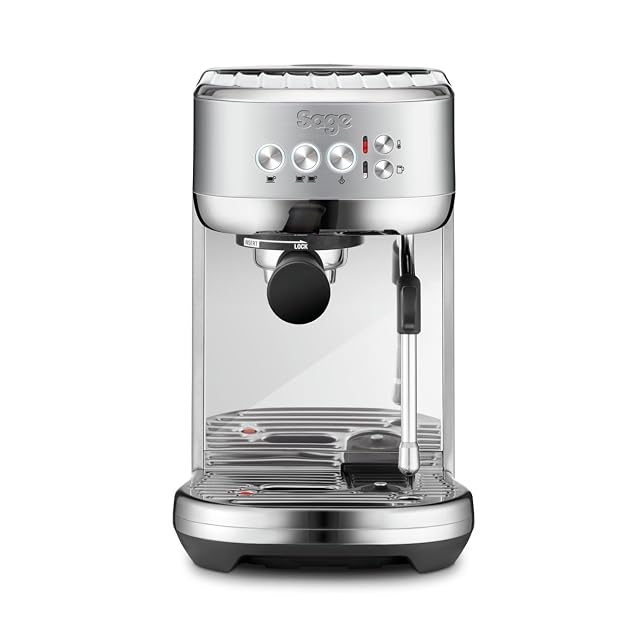
  • Best small espresso machine

    Sage Bambino Plus

    54 mm · automatic milk texturing · 3 s heat-up

    Ready in three seconds, nineteen centimetres wide, and it textures milk automatically to a temperature you choose. The one espresso machine that suits a small kitchen without pretending grind does not matter.

    Best for: Someone who already owns a grinder, or is buying one, and has no space.

    8.4/10

    ≈ $500 / £380 / 400 €
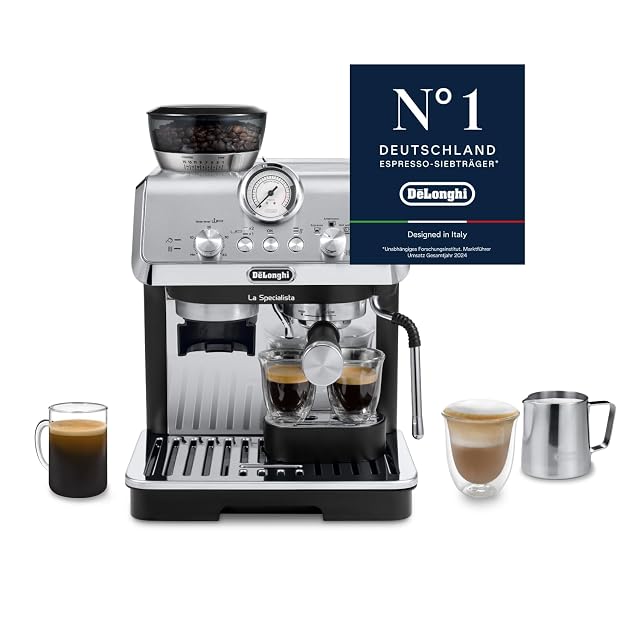
  • Best all-in-one alternative

    De'Longhi La Specialista Arte

    51 mm · built-in conical grinder · manual wand

    De'Longhi's answer to the Barista Express, with a tidier grinder-to-portafilter workflow and better temperature control. Worth comparing directly rather than assuming Sage wins by default.

    Best for: A first serious espresso setup where one appliance has to do everything.

    7.9/10

    ≈ $600 / £450 / 480 €
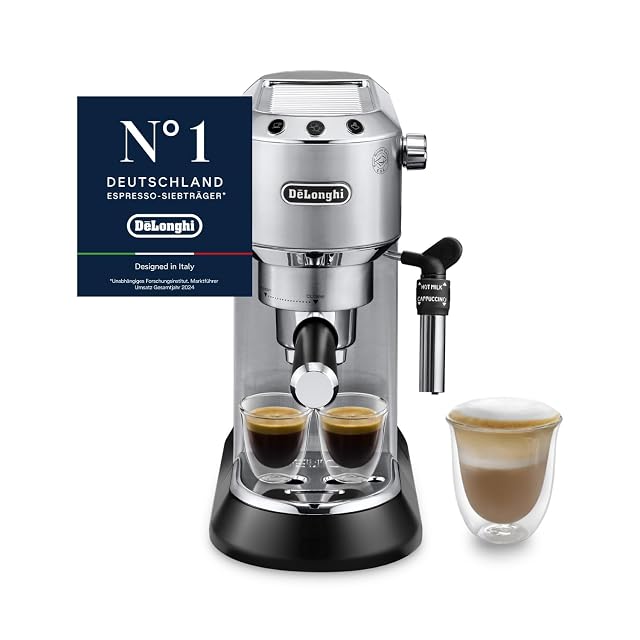
  • Cheapest honest espresso

    De'Longhi Dedica Style EC685

    51 mm portafilter · 15 cm wide · pressurised baskets

    Fifteen centimetres wide, heats in forty seconds, and makes a decent drink for under 200. It ships with pressurised baskets that fake crema from any grind — which is exactly why it works for beginners and why it stalls after a year.

    Best for: A tiny kitchen, a first espresso machine, or a second machine for an office.

    7.2/10

    ≈ $200 / £170 / 180 €
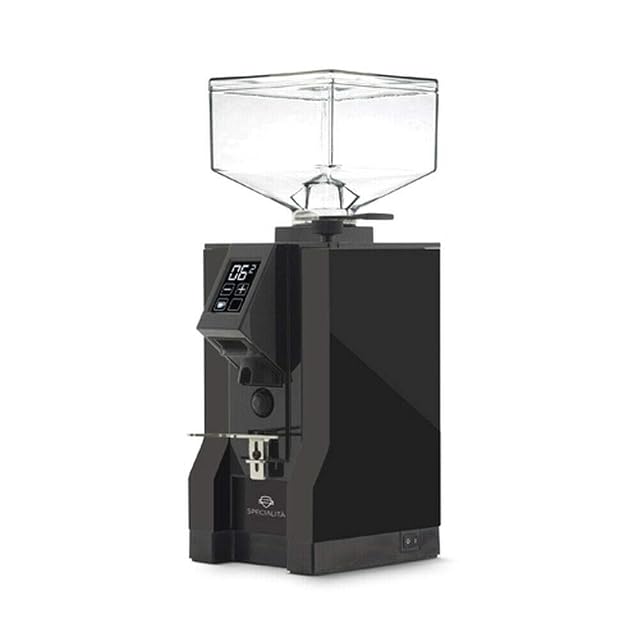
  • Best home espresso grinder

    Eureka Mignon Specialita

    55 mm flat burr · stepless · near-zero retention

    Stepless adjustment, 55 mm flat burrs and almost nothing left in the chute — the three things that separate a serious espresso grinder from a good one. It is quiet enough to use at six in the morning without an argument.

    Best for: A Gaggia Classic, Lelit or Rancilio owner who has stopped blaming their technique.

    9.0/10

    ≈ $450 / £380 / 400 €
  • Best hand grinder

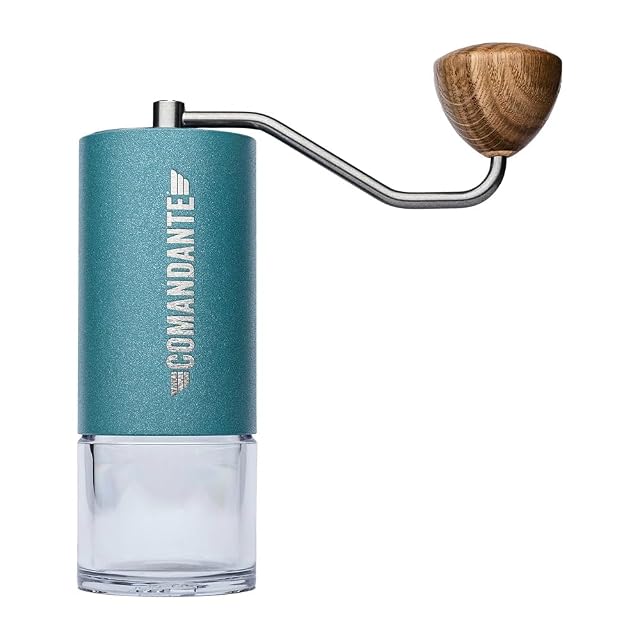
    Comandante C40 MK4 Nitro Blade

    39 mm nitrogen-hardened burr · hand · filter & espresso

    The hand grinder others are measured against, and priced accordingly. Grinds better than electric grinders at twice the money, and asks for your arm every single morning.

    Best for: One or two exceptional cups a day, travel, and anyone who values the object.

    8.8/10

    ≈ $340 / £270 / 290 €

  • Best first espresso grinder

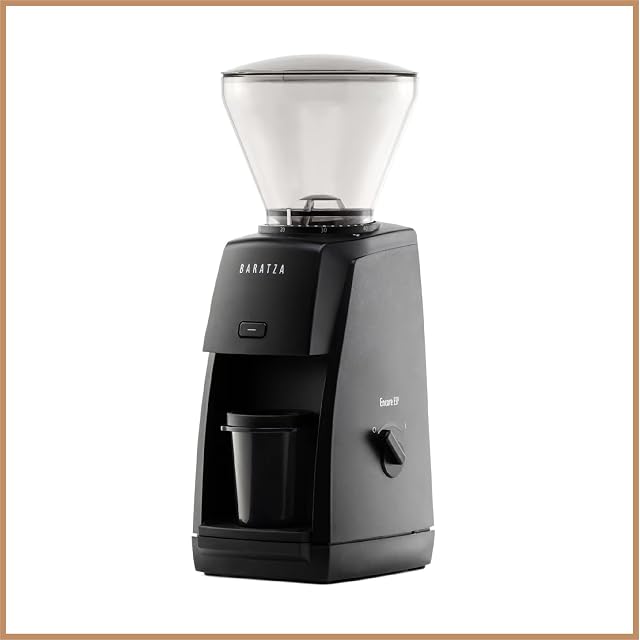
    Baratza Encore ESP

    40 mm conical · 40 espresso steps + 20 filter

    The cheapest electric grinder that genuinely does espresso and filter without being bad at both. Forty fine steps in the espresso range is the whole point — and Baratza will still sell you a burr set for it in ten years.

    Best for: Anyone pairing a grinder with a Gaggia Classic, a Dedica upgrade, or a Barista Express they have outgrown.

    8.7/10

    ≈ $200 / £190 / 220 €

  • Best filter grinder

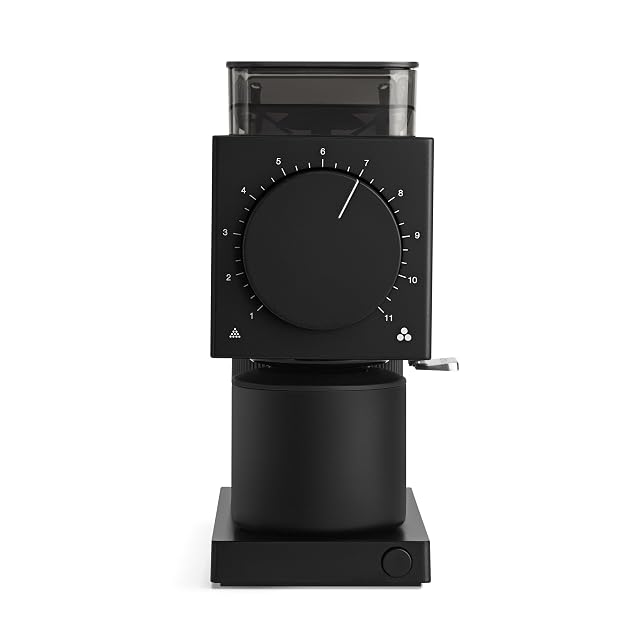
    Fellow Ode Brew Grinder Gen 2

    64 mm flat burr · filter only · single dose

    64 mm flat burrs, near-zero retention and a footprint the size of a mug, built for filter and honest about not doing espresso. For pour-over it is the clearest grind you can buy at this price.

    Best for: V60, Chemex, AeroPress and batch brewing, where clarity is the whole point.

    8.7/10

    ≈ $345 / £275 / 300 €

  • Best value grinder, full stop

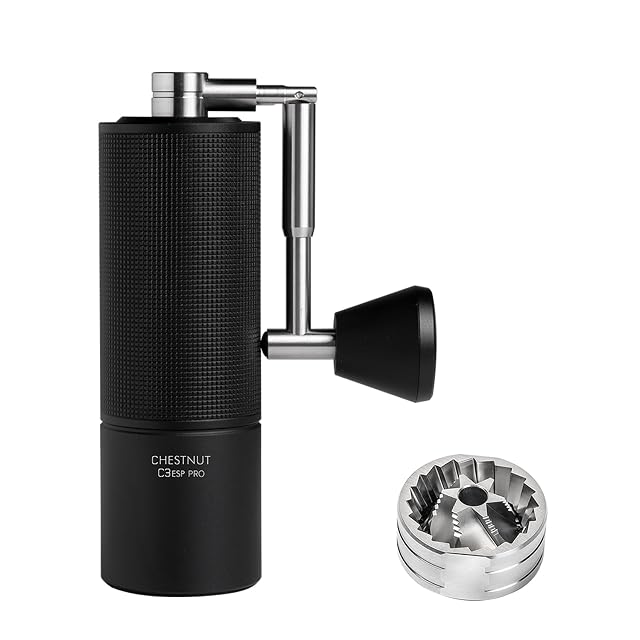
    TIMEMORE Chestnut C3 ESP Pro

    38 mm stainless burr · hand · espresso-capable

    Out-grinds electric grinders costing three times as much, provided you accept the arm. The ESP burr reaches espresso fineness with real adjustment — which is not true of most hand grinders at any price.

    Best for: One or two coffees a day, or a travel grinder that does not compromise.

    8.4/10

    ≈ $80 / £70 / 75 €

  • Most grinder per euro

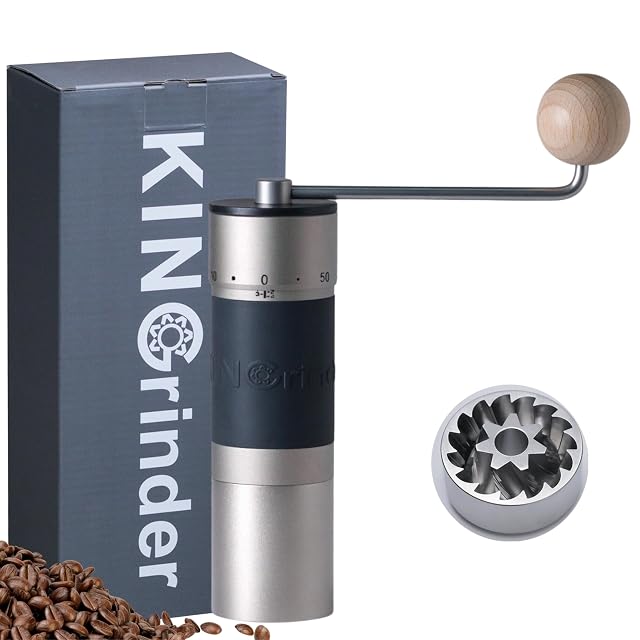
    Kingrinder K6

    48 mm burr · hand · external adjustment

    A 48 mm burr set with external adjustment and 240 clicks, at a price where the competition offers 38 mm and internal dials. The finish is plainer than a Comandante; the grind is not far behind it.

    Best for: Espresso at home from a hand grinder, without paying Comandante money.

    8.3/10

    ≈ $110 / £90 / 95 €

  • Best batch brewer

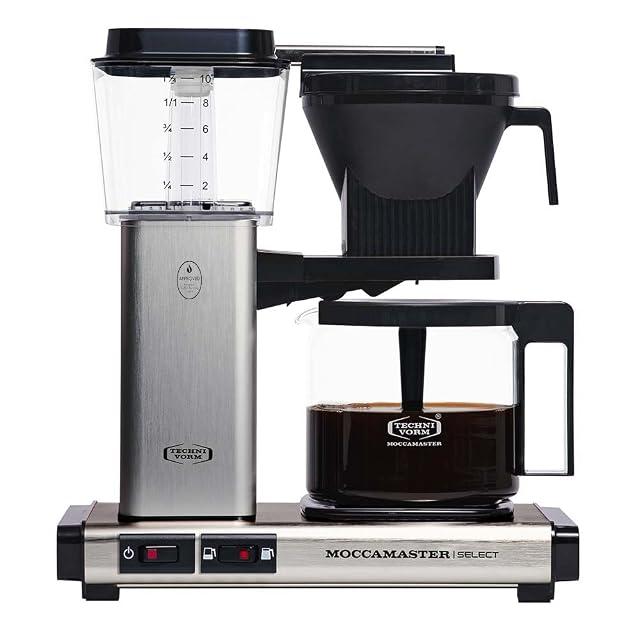
    Moccamaster KBG Select

    1.25 L · 92–96 °C brew · copper element · SCA certified

    Hits proper brew temperature in about four minutes and holds it, which is the entire job and which almost no cheap drip machine does. Hand-built in the Netherlands, repairable indefinitely, and priced accordingly.

    Best for: A household that drinks filter coffee by the pot, every day, for years.

    8.9/10

    ≈ $360 / £280 / 300 €

  • Most adjustable batch brewer

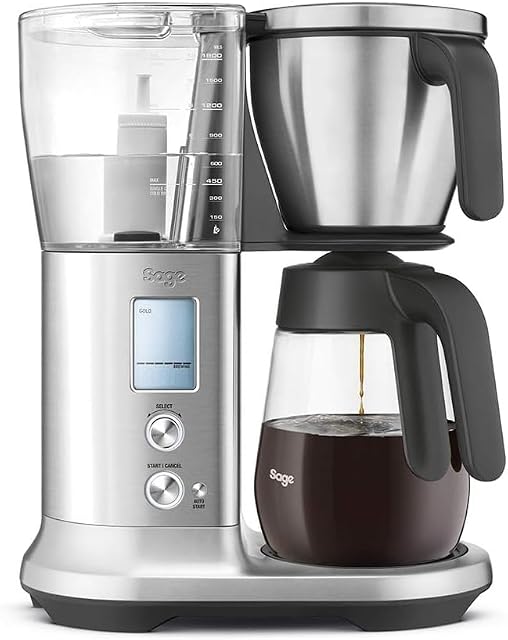
    Sage Precision Brewer

    1.7 L · 6 brew modes · SCA certified

    The only batch brewer that lets you set brew temperature, bloom time and flow rate yourself. If a Moccamaster is a fixed recipe done perfectly, this is a machine you can argue with.

    Best for: Someone who wants to tune a batch brew the way they would tune a pour-over.

    8.6/10

    ≈ $330 / £250 / 280 €

  • Best grind-and-brew

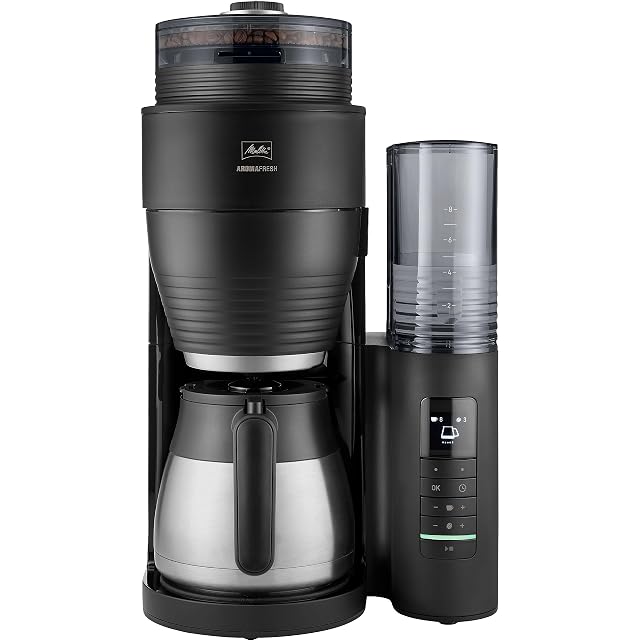
    Melitta AromaFresh Therm Pro X

    1 L thermal · built-in grinder · timer

    Whole beans in the hopper, brewed coffee in a thermal jug, on a timer. The grinder is ordinary and the convenience is enormous — for a lot of households that is the right trade.

    Best for: A household that wants fresh-ground filter coffee without doing anything at 7 a.m.

    7.7/10

    ≈ £190 / 200 €

  • Best cheap filter machine

    Melitta Look V Perfection

    1.25 L · aroma selector · glass carafe

    Eighty euros for a filter machine that does the basics properly. It does not hold SCA brew temperature and it does not pretend to — what it does is make honest coffee for a quarter of the price of one that does.

    Best for: A first filter machine, an office, or anywhere a Moccamaster cannot be justified.

    7.4/10

    ≈ £75 / 80 €

  • Most forgiving brewer

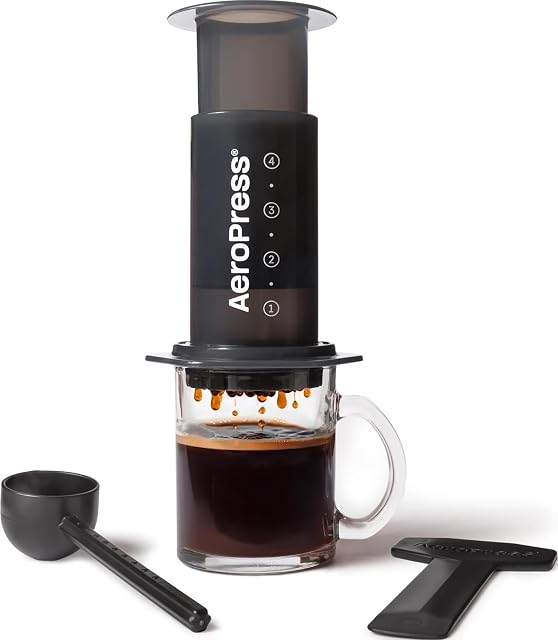
    AeroPress Original

    Immersion + pressure · 1–3 cups · unbreakable

    The one brewer that makes a good cup while you are still learning. Immersion means time does the work instead of your pour — so a mediocre grinder and an ordinary kettle still produce something you want to drink.

    Best for: Your first real brewer, an office drawer, or anywhere a V60 would be a nuisance.

    8.8/10

    ≈ $40 / £30 / 35 €

  • Most versatile brewer

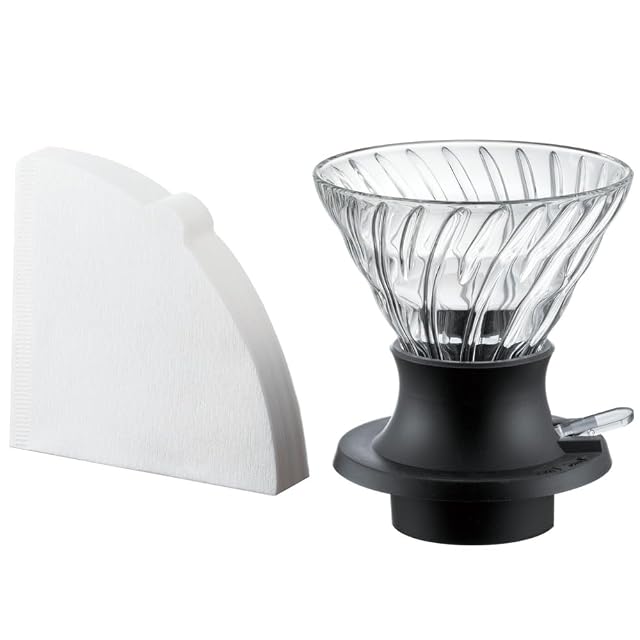
    Hario Switch Immersion Dripper 02

    V60 cone + steel valve · immersion or percolation

    A V60 with a valve in the bottom, which sounds like a gimmick and is not. It brews as a pour-over, as a full immersion, or as any hybrid of the two — and the hybrid is what makes it special.

    Best for: Someone who wants V60 clarity without V60 punishment, or who brews different beans weekly.

    8.5/10

    ≈ $60 / £50 / 55 €

  • Easiest clean cup

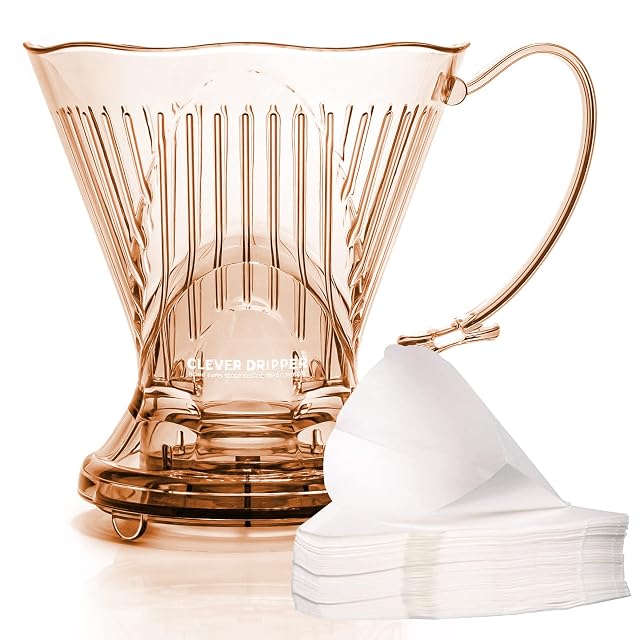
    Clever Coffee Dripper L

    Immersion + paper · valve released by the cup

    Steep like a French press, drain through paper like a pour-over, and the valve opens by itself when you set it on the cup. The most forgiving route to a genuinely clean brew.

    Best for: Anyone who wants V60 clarity without owning a gooseneck kettle.

    8.4/10

    ≈ $35 / £28 / 30 €

  • The reference pour-over

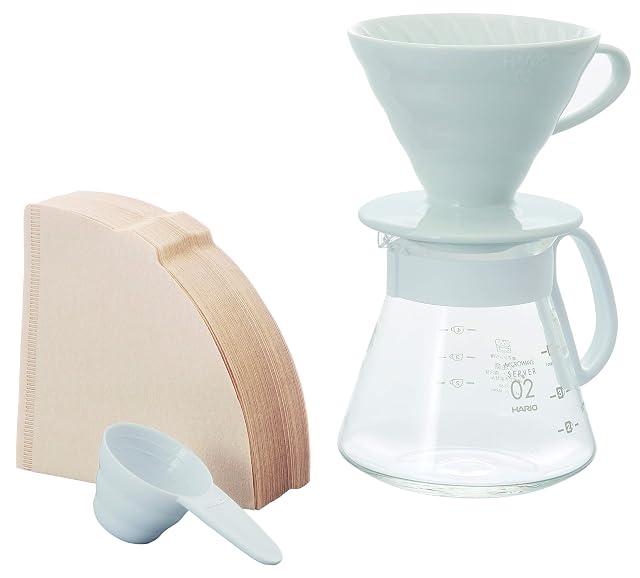
    Hario V60 02 Ceramic

    60° cone · spiral ribs · 1–4 cups

    The most transparent cup you can brew for twenty euros, and the least forgiving. Ceramic holds heat where plastic does not — and the open bottom means your pour, not the dripper, decides the coffee.

    Best for: Someone who wants to taste what a single-origin coffee is actually doing.

    8.2/10

    ≈ $25 / £20 / 22 €

  • Best value brewer

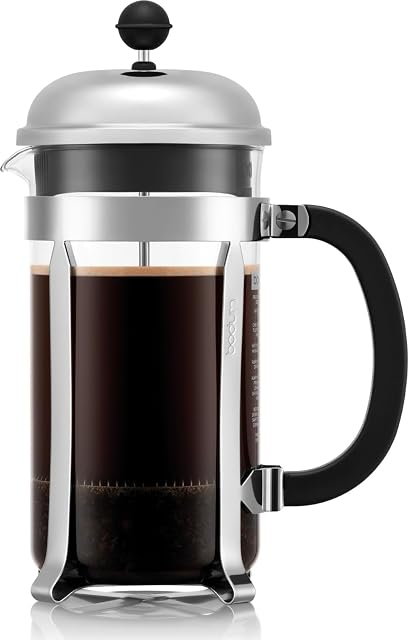
    Bodum Chambord French Press 1 L

    1 L · steel mesh · borosilicate glass

    Full immersion, full body, and no paper to buy ever again. The cheapest genuinely good brewer here — and the one most ruined by grinding too fine.

    Best for: Big-bodied dark and medium roasts, and anyone who does not want to buy papers.

    8.1/10

    ≈ $45 / £35 / 38 €

  • Cleanest cup

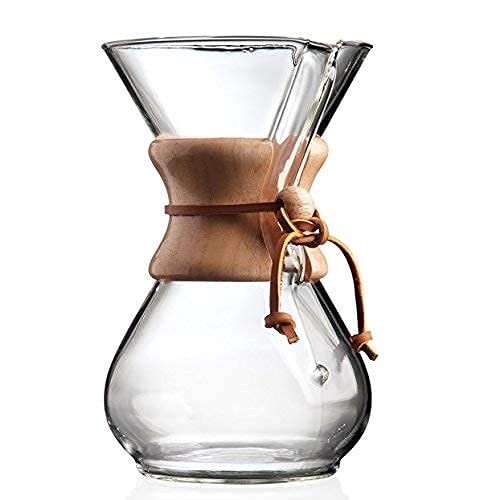
    Chemex Classic 6-cup

    Borosilicate glass · thick bonded filters · 3–6 cups

    The thickest filter paper in coffee, which strips out oils and fines and leaves a cup like tea. Divisive by design — you will either love the clarity or find it hollow.

    Best for: Light-roast single origins where you want acidity and florals, not body.

    8.0/10

    ≈ $50 / £45 / 48 €

  • The moka redesigned

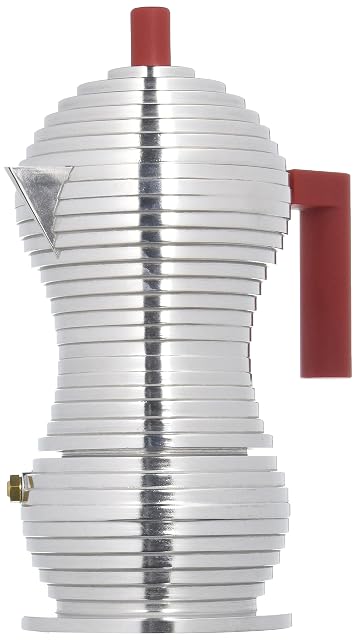
    Alessi Pulcina

    Aluminium · interrupted flow spout · 3 or 6 cups

    Alessi asked an engineer, not a stylist, to fix the moka pot. The internal profile interrupts the flow before the bitter steam phase arrives — which is the one thing a classic moka cannot do for you.

    Best for: A moka drinker who will not reliably take the pot off the hob at the right moment.

    8.1/10

    ≈ £60 / 65 €

  • The original, still right

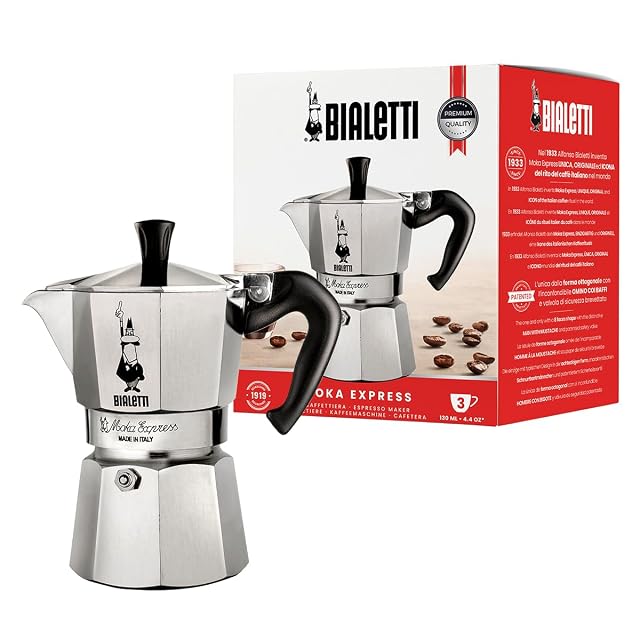
    Bialetti Moka Express 3-cup

    Aluminium · 130 ml · not induction

    Ninety years old, sold by the million, and misused by almost everyone who owns one. Brewed properly — low heat, pre-boiled water, off the hob at the first gurgle — it is one of the great cheap coffees.

    Best for: One or two strong cups on a gas or electric hob, at almost no cost.

    8.0/10

    ≈ $35 / £25 / 25 €

  • Best for induction hobs

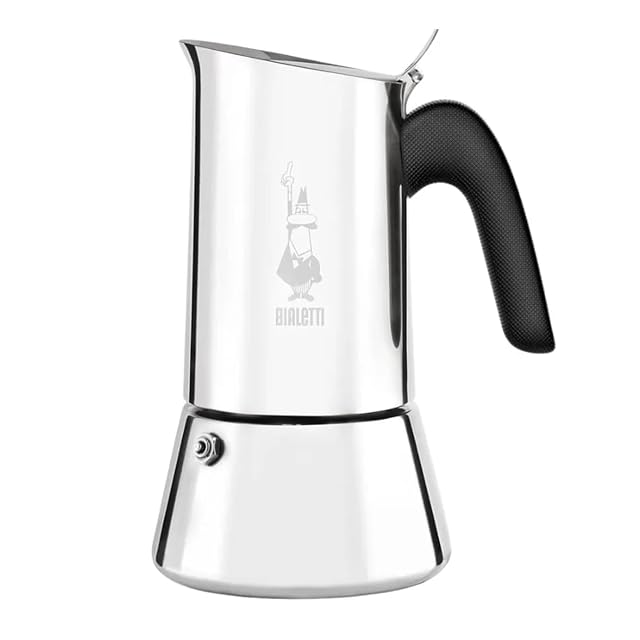
    Bialetti Venus Induction

    18/10 stainless · induction-ready · 4 or 6 cups

    The stainless Bialetti that works on induction, which the aluminium Moka Express does not. Slower to heat, easier to clean, and it will outlive the classic.

    Best for: Anyone with an induction hob, or who wants a moka pot that goes in the dishwasher.

    8.0/10

    ≈ $50 / £40 / 42 €

  • Closest a moka gets to crema

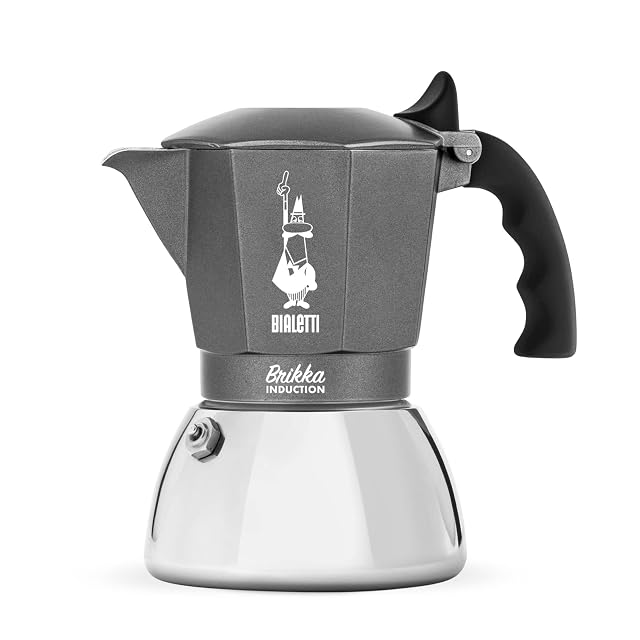
    Bialetti Brikka

    Pressure valve · induction-ready · 2 or 4 cups

    A weighted valve holds pressure back until it releases in one burst, which produces a genuine layer of crema. It is also fussier than a normal moka, and unforgiving if you fill it wrong.

    Best for: A moka drinker who wants something closer to espresso and will follow the instructions.

    7.8/10

    ≈ $60 / £45 / 48 €

  • Smallest sensible capsule machine

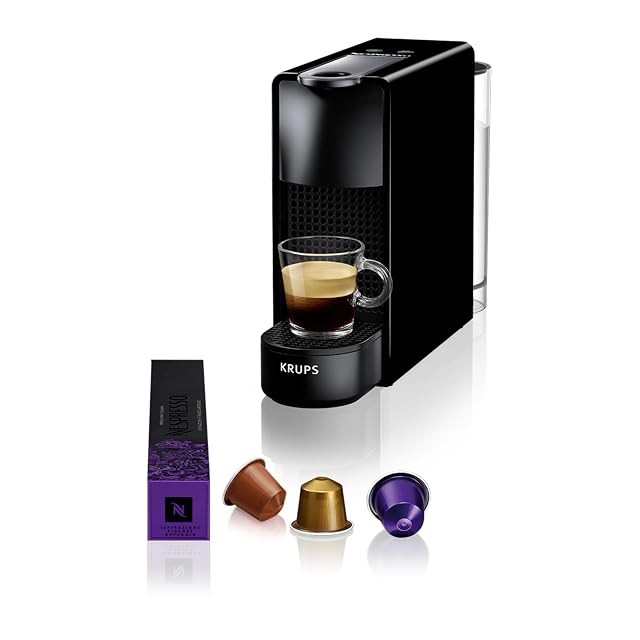
    Nespresso Essenza Mini

    Original system · 0.6 L · 11 cm wide

    Eleven centimetres wide, twenty-five seconds to heat, and it takes the Original capsules that dozens of brands make. The cheapest sensible way into the system that stays cheap to run.

    Best for: A small kitchen, a studio flat, an office desk, or a second machine.

    7.7/10

    ≈ $150 / £80 / 90 €

  • Cheapest cup per capsule

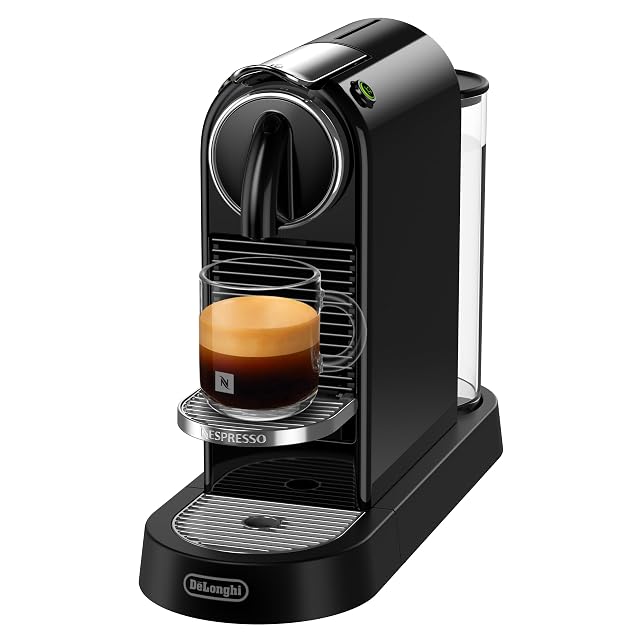
    Nespresso CitiZ

    19 bar · Original system · 1 L tank

    The Original system, where the patents expired and everyone makes capsules. The machine is unremarkable; the point is that you can buy pods from a supermarket at a third of Nespresso's price.

    Best for: Espresso and lungo drinkers who want capsule convenience without capsule prices.

    7.6/10

    ≈ $190 / £150 / 160 €

  • Widest Vertuo range

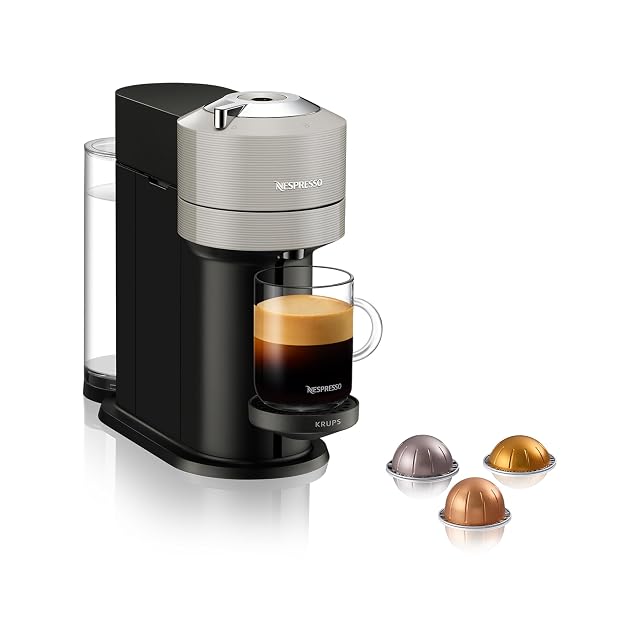
    Nespresso Vertuo Next

    Centrifusion · 5 cup sizes · 54 % recycled plastic

    The Vertuo machine with the full range of cup sizes, up to a 414 ml carafe. Same excellent long coffee, same single-supplier capsules, in a body made largely from recycled plastic.

    Best for: Someone who drinks large black coffee and occasionally wants a carafe.

    7.5/10

    ≈ $180 / £130 / 140 €

  • Best for long coffee

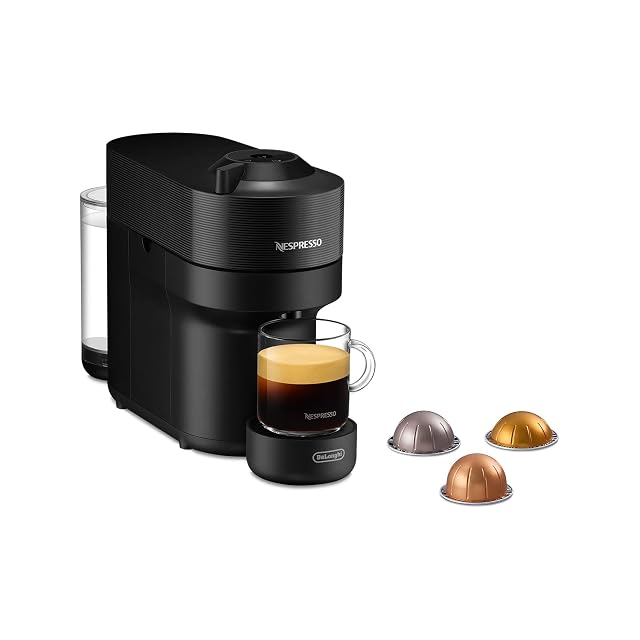
    Nespresso Vertuo Pop

    Centrifusion · barcode-read capsules · 4 cup sizes

    Spins the capsule instead of pressing water through it, which makes genuinely good long black coffee — and locks you into a closed capsule system with almost no third-party competition.

    Best for: Someone who drinks mugs of black coffee and wants zero decisions.

    7.4/10

    ≈ $100 / £80 / 90 €

  • Cheapest per cup

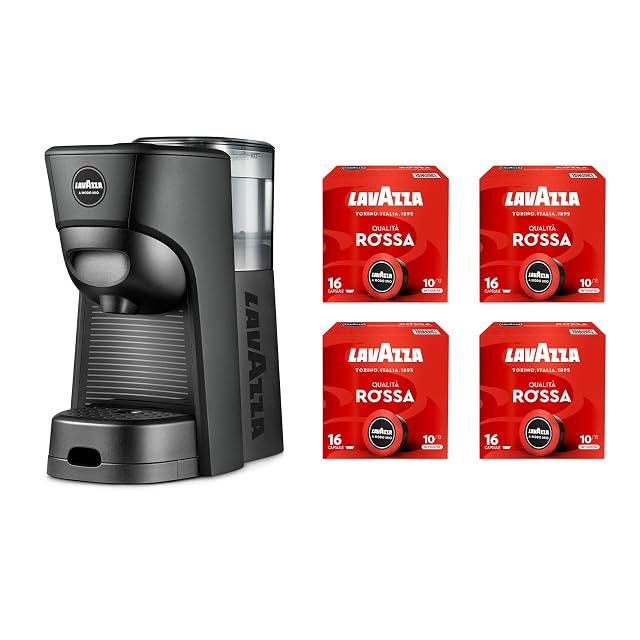
    Lavazza A Modo Mio Tiny

    A Modo Mio system · 0.5 L · 12 cm wide

    A third capsule system worth knowing about, because A Modo Mio capsules are among the cheapest in Europe and the machine costs almost nothing. The coffee is Italian-roast dark and unapologetic about it.

    Best for: Espresso in the Italian style, at the lowest running cost of any capsule system here.

    7.2/10

    ≈ £70 / 75 €

  • Widest drink range

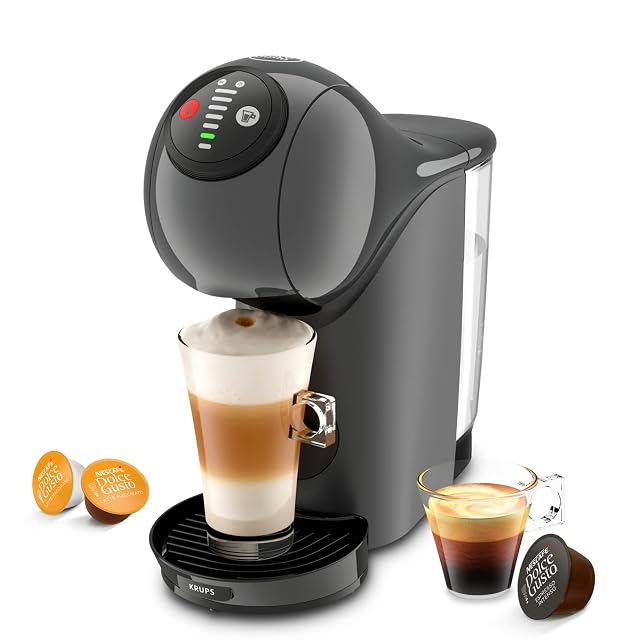
    NESCAFÉ Dolce Gusto Genio S

    15 bar · hot & cold drinks · milk capsules

    Makes hot chocolate, chai and iced drinks as well as coffee, using a separate milk capsule instead of real milk. Good at being a drinks machine, mediocre at being a coffee machine.

    Best for: A household with mixed tastes where not everyone drinks coffee.

    6.8/10

    ≈ $110 / £70 / 80 €

  • Best pitcher for latte art

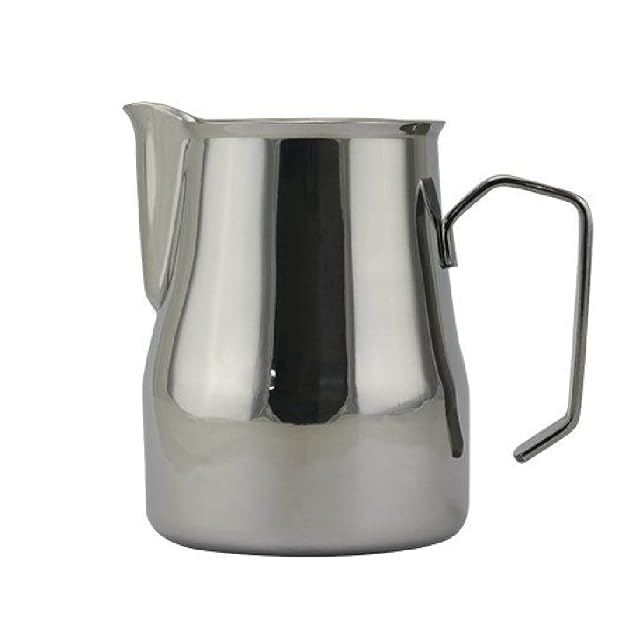
    Motta Europa 500 ml

    18/10 stainless · 500 ml · sharp spout

    The pitcher most European baristas actually use. The sharp, low spout is what puts a pattern on the surface rather than a blob — and it costs less than most people spend on beans in a month.

    Best for: Anyone with a steam wand who has been wondering why their pours look like blobs.

    8.9/10

    ≈ $40 / £30 / 32 €

  • Best automatic frother

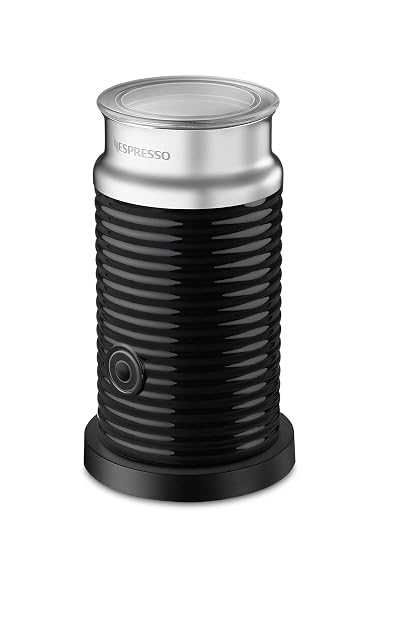
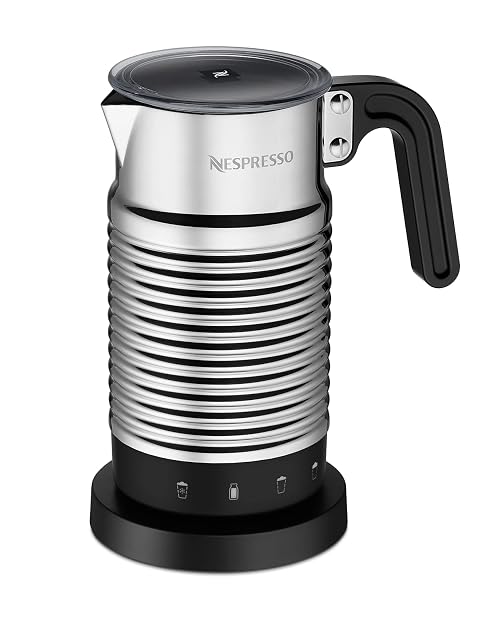
    Nespresso Aeroccino 4

    4 modes · hot & cold froth · 240 ml

    Pour milk in, press once, walk away. It makes better foam than most people manage by hand, handles oat milk properly, and the whole jug goes under a tap.

    Best for: A capsule or black-coffee machine owner who wants cappuccino without a steam wand.

    8.2/10

    ≈ $130 / £90 / 100 €

  • The cheaper Aeroccino

    Nespresso Aeroccino 3

    2 modes · hot & cold · 240 ml

    The Aeroccino 4 without the two extra modes and without the price. If all you want is hot foam and cold foam, this does exactly that with the same non-stick jug and the same fifteen-second clean.

    Best for: A capsule machine owner who wants cappuccino without paying for four modes.

    7.9/10

    ≈ $100 / £70 / 75 €

  • Biggest capacity

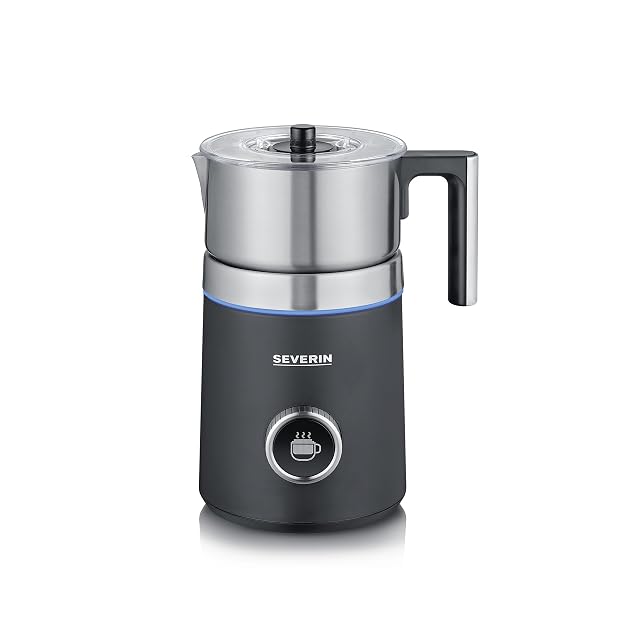
    SEVERIN SM 3587 Milk Frother

    Induction · 700 ml · 4 modes

    Seven hundred millilitres, which is three or four drinks rather than one. Induction heating with no element in contact with the milk, so nothing bakes on and the whole jug goes under a tap.

    Best for: A household of three or four who all want milk drinks at the same time.

    7.6/10

    ≈ £80 / 85 €

  • Cheapest way to foam milk

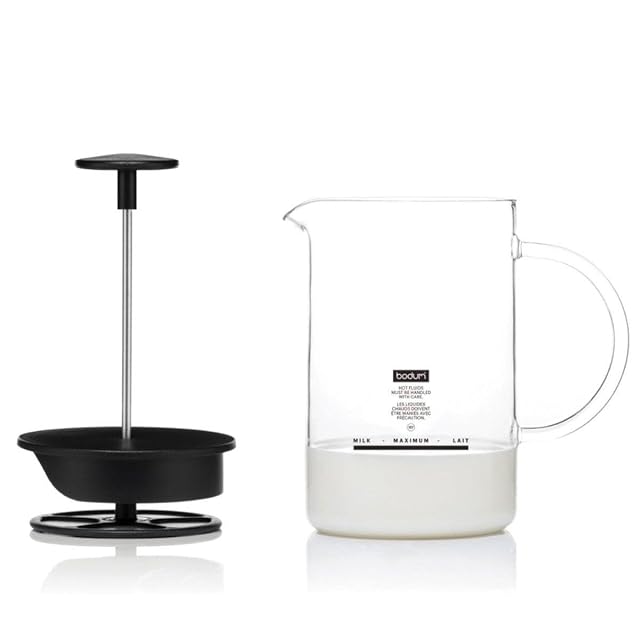
    Bodum Latteo

    Manual pump · 250 ml · glass

    A glass jug and a plunger. No electricity, no cleaning ritual, and foam that is genuinely decent — provided you warm the milk first and accept that it will never be microfoam.

    Best for: An occasional cappuccino, a student kitchen, or a second frother for a desk.

    7.3/10

    ≈ $30 / £22 / 25 €

  • Best pour control

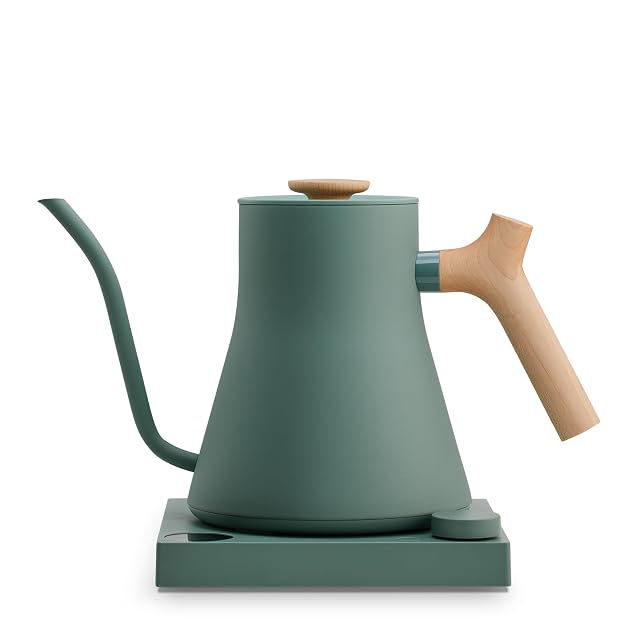
    Fellow Stagg EKG Pro

    0.9 L · ±1 °C hold · counterbalanced gooseneck

    The best-pouring kettle sold, and the hold function matters more than the thermometer. Expensive for boiling water — but if you brew pour-over daily, it is the accessory that most improves the cup.

    Best for: Daily pour-over, where flow rate is the variable you are trying to control.

    8.6/10

    ≈ $195 / £165 / 180 €

  • Best value gooseneck

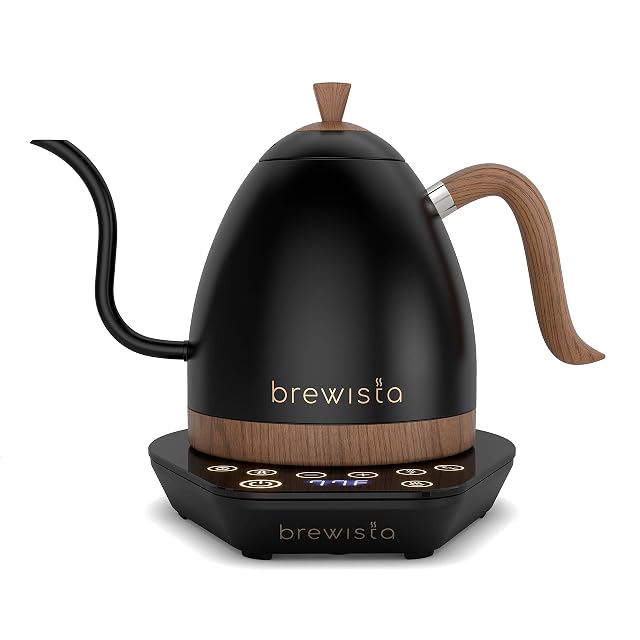
    Brewista Artisan Gooseneck

    1 L · variable temperature · hold · narrow spout

    Almost everything the Fellow Stagg does, for meaningfully less money and with a litre of capacity instead of 900 ml. It is less beautiful, and that is genuinely the main difference.

    Best for: Daily pour-over where the money is better spent on the grinder.

    8.3/10

    ≈ $130 / £110 / 120 €

  • Cheapest real gooseneck

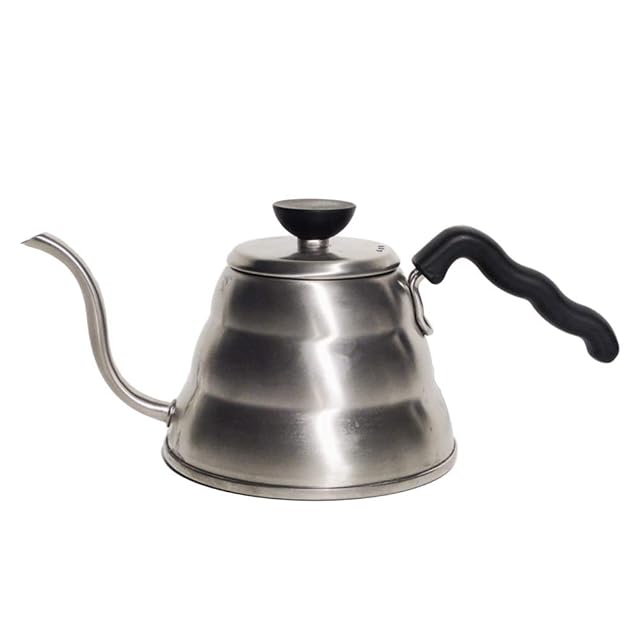
    Hario V60 Buono Drip Kettle

    Stovetop · 1.2 L · gooseneck

    A stovetop gooseneck at a third the price of an electric one. No temperature control, no hold — just the spout, which is the part that actually changes your brews.

    Best for: A beginner in pour-over, or anyone who considers a 180-euro kettle absurd.

    8.0/10

    ≈ $60 / £45 / 50 €

  • Best slim spout

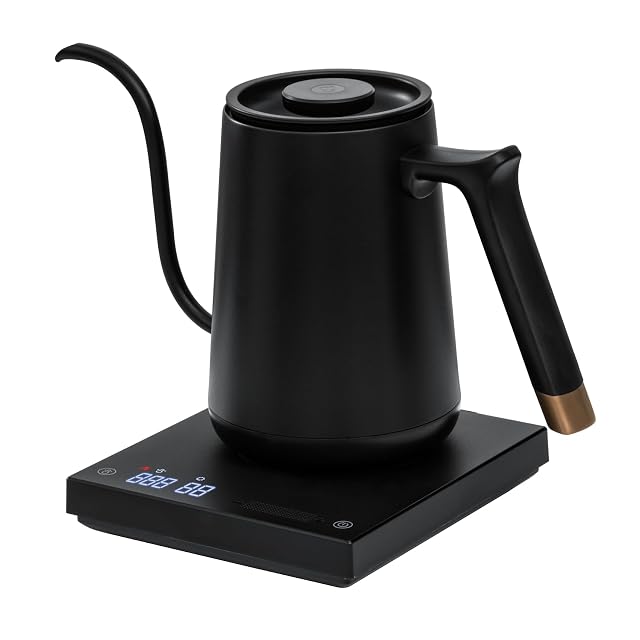
    TIMEMORE Fish Smart Kettle

    0.8 L · variable temperature · slim spout

    The narrowest spout of any kettle here, which makes very slow pours easier to control than on kettles costing twice as much. The build is lighter, and that is where the money went instead.

    Best for: Pour-over where the bloom and the first pour need to be very slow.

    8.0/10

    ≈ £90 / 95 €

  • Cheapest usable gooseneck

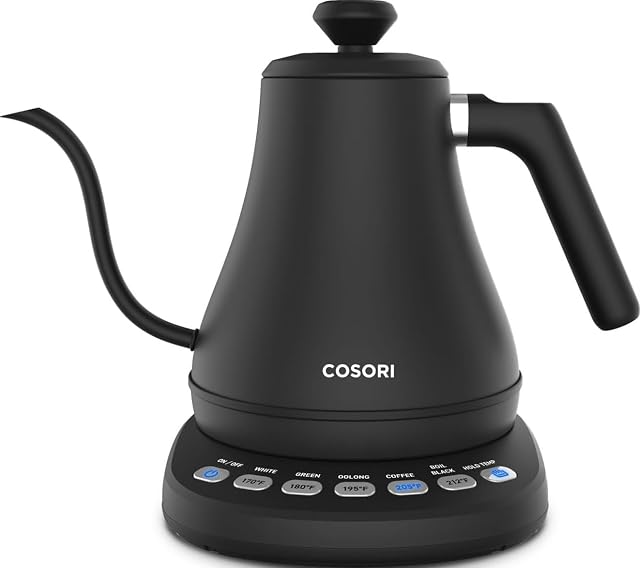
    COSORI Gooseneck Electric Kettle

    0.8 L · 5 presets · keep-warm

    A gooseneck spout and variable temperature for well under half the price of the specialists. The pour is good rather than excellent, and for most people learning pour-over that is enough.

    Best for: A first gooseneck, to find out whether pour-over is a habit or a phase.

    7.5/10

    ≈ $70

Scales

4

  • Best scale under 100

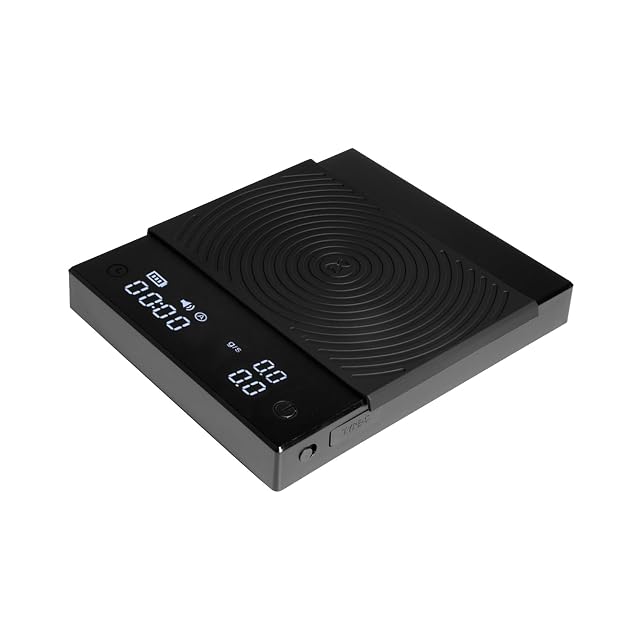
    TIMEMORE Black Mirror Basic 2

    2 kg × 0.1 g · flow rate · under-portafilter footprint

    Fast enough for espresso, small enough for a drip tray, and it shows flow rate — which is the one number that tells you what your shot is doing while it is still happening.

    Best for: Espresso, where 0.1 g and a fast refresh genuinely change what you can control.

    8.5/10

    ≈ $60 / £50 / 55 €

  • Most water resistant

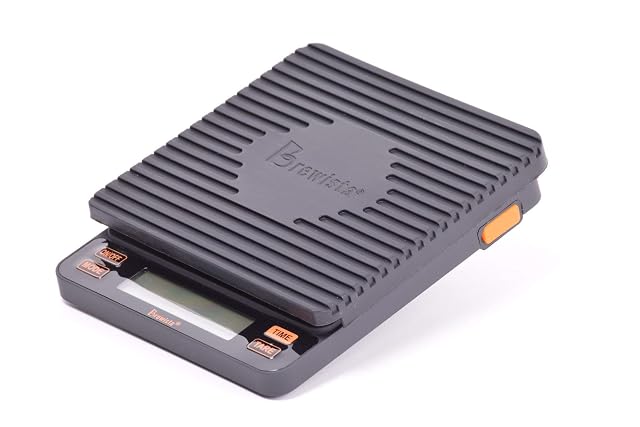
    Brewista Smart Scale II

    2 kg × 0.1 g · 6 modes · water resistant

    The one scale here built to survive a drip tray. Six modes, auto-start timers and a silicone cover — which addresses the thing that actually kills coffee scales.

    Best for: Espresso on a wet drip tray, which is where scales go to die.

    8.3/10

    ≈ $80 / £65

  • Smallest good scale

    TIMEMORE Black Mirror Nano

    2 kg × 0.1 g · pocket size · USB-C

    The Black Mirror shrunk to fit a drip tray with room to spare, or a jacket pocket. Same 0.1 g resolution and fast refresh, without the flow-rate display.

    Best for: Espresso on a machine with a shallow drip tray, or travel.

    8.2/10

    ≈ $50 / £40 / 45 €

  • Best for pour-over

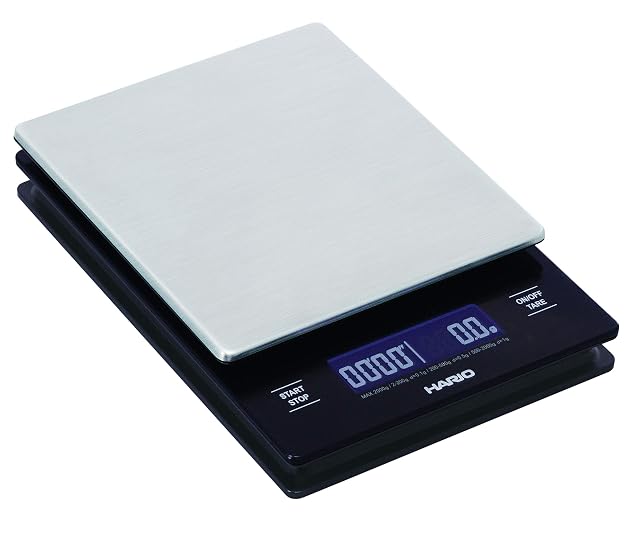
    Hario V60 Drip Scale

    2 kg × 0.1 g · auto timer · V60 footprint

    Built around the V60 rather than adapted to it: the footprint fits a dripper and a carafe, and the timer starts on its own when the first drops land.

    Best for: Pour-over and immersion brewing, where a timer matters more than refresh speed.

    7.9/10

    ≈ $60 / £50 / 55 €

  • Best value upgrade on this site

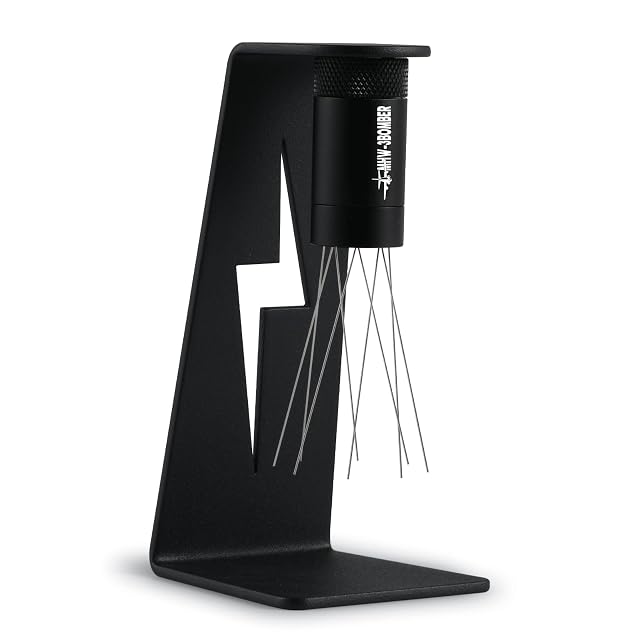
    MHW-3BOMBER WDT Distribution Tool

    8 × 0.3 mm needles · magnetic stand

    Eight fine needles you stir through the grounds before tamping. It costs twenty euros and fixes more bad shots than any other accessory here — including ones costing twenty times as much.

    Best for: Every single person with a non-pressurised basket. There is no exception worth naming.

    9.1/10

    ≈ $25 / £20 / 22 €

  • The diagnostic tool

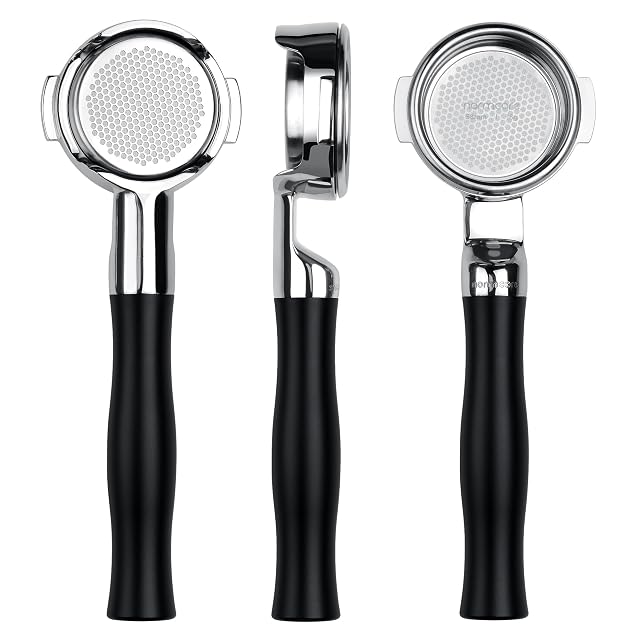
    Normcore Bottomless Portafilter 58 mm

    58 mm · naked base · walnut handle

    Removing the spouts turns an invisible process into a picture. You see channelling happen, which is the only way most people ever learn to stop it.

    Best for: Anyone learning espresso who cannot work out why some shots are bad.

    8.6/10

    ≈ $55 / £45 / 48 €

  • Best tamper

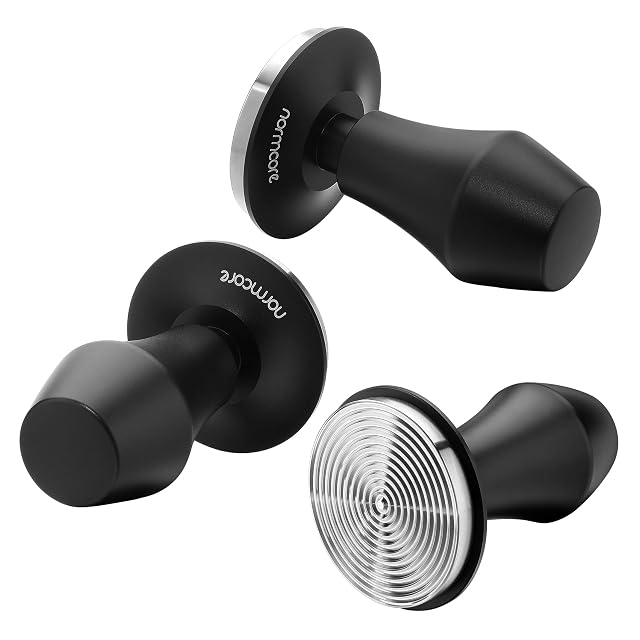
    Normcore 58.5 mm Spring Tamper

    58.5 mm · 15/25/30 lb springs · flat base

    A calibrated spring that clicks at a set pressure, in the 58.5 mm size that actually fills a 58 mm basket. It makes tamping repeatable — which is not the same as making your coffee better.

    Best for: Anyone with a 58 mm machine who wants one variable removed from the process.

    8.4/10

    ≈ $60 / £50 / 55 €

  • Keeps the group clean

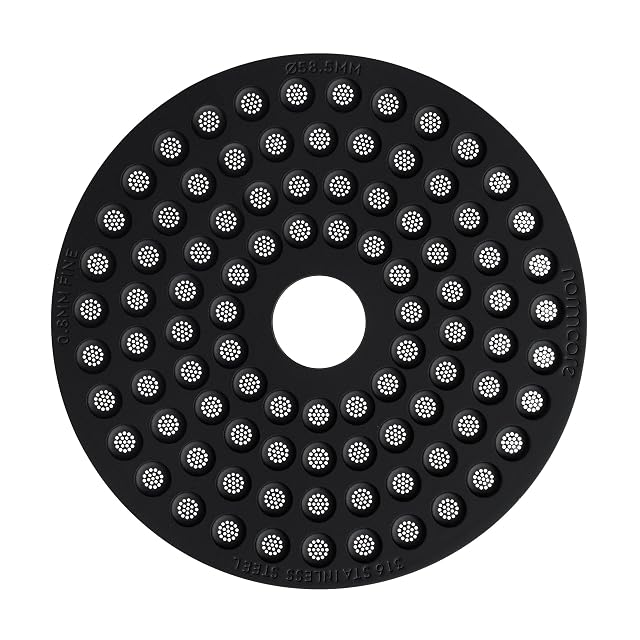
    Normcore Puck Screen 58.5 mm

    58.5 mm · 1.7 mm mesh · stainless

    A fine steel disc that sits on the puck. It distributes the incoming water and keeps the shower screen clean — the second of which is the reason to buy it.

    Best for: Anyone tired of wiping the shower screen after every session.

    7.8/10

    ≈ $25 / £20 / 22 €

  • Levels without pressing

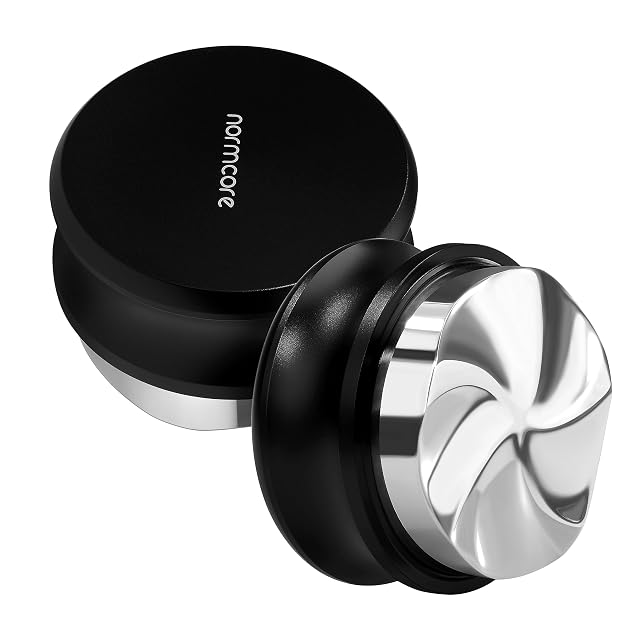
    Normcore V4 Gravity Distributor

    58.5 mm · gravity-driven · depth adjustable

    Spins under its own weight to level the bed before tamping, rather than compressing it. Useful if your distribution is poor — and redundant if you already use a WDT tool properly.

    Best for: A grinder that clumps badly, where a WDT alone is not producing an even bed.

    7.6/10

    ≈ $70 / £55 / 60 €

  • Descale-free, if you keep up

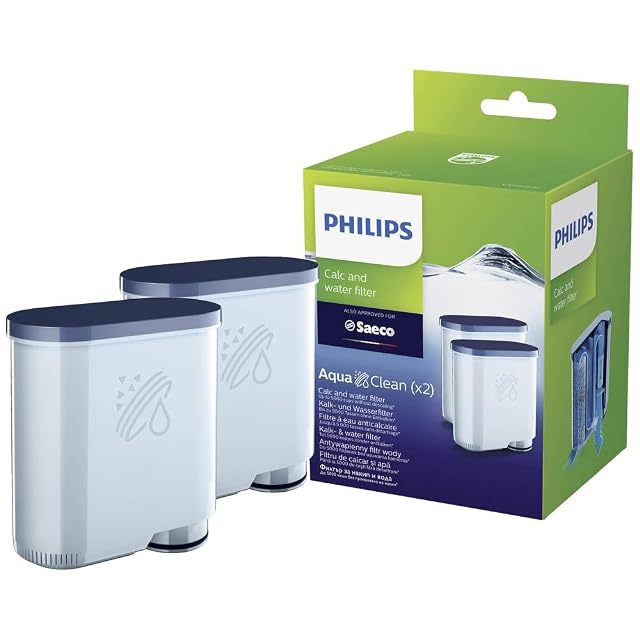
    Philips AquaClean CA6903

    In-tank cartridge · up to 5,000 cups

    Philips claims up to 5,000 cups without descaling if the filter is replaced on schedule. That is broadly true and entirely conditional — miss a replacement and the claim expires with it.

    Best for: Philips and Saeco bean-to-cup owners on medium to hard water.

    8.1/10

    ≈ £30 / 32 € (2-pack)

  • Best water for taste

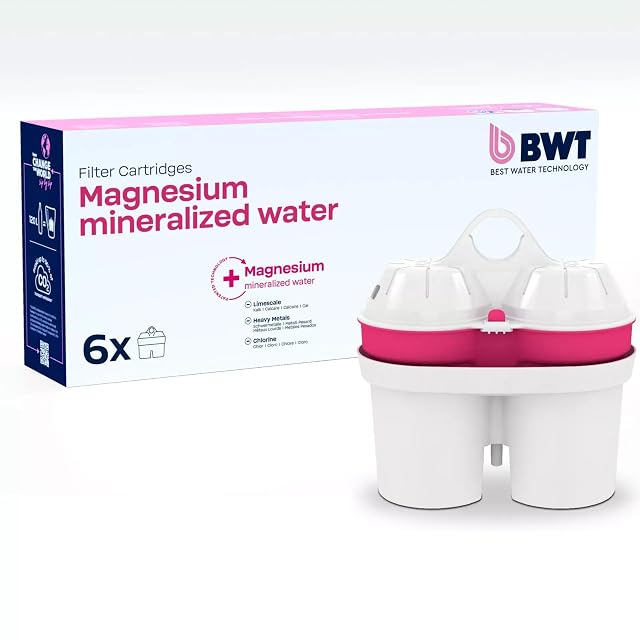
    BWT Magnesium Mineralized Water cartridges

    Jug cartridge · adds magnesium · ≈ 4 weeks

    Unlike a standard filter, this one adds magnesium back after removing hardness. Magnesium is what pulls flavour out of coffee, so the cup gets sweeter rather than just safer for the machine.

    Best for: Someone already filtering who wants the water to improve the coffee, not just protect the machine.

    8.0/10

    ≈ $45 / £35 / 38 € (6-pack)

  • Cheapest way to save a machine

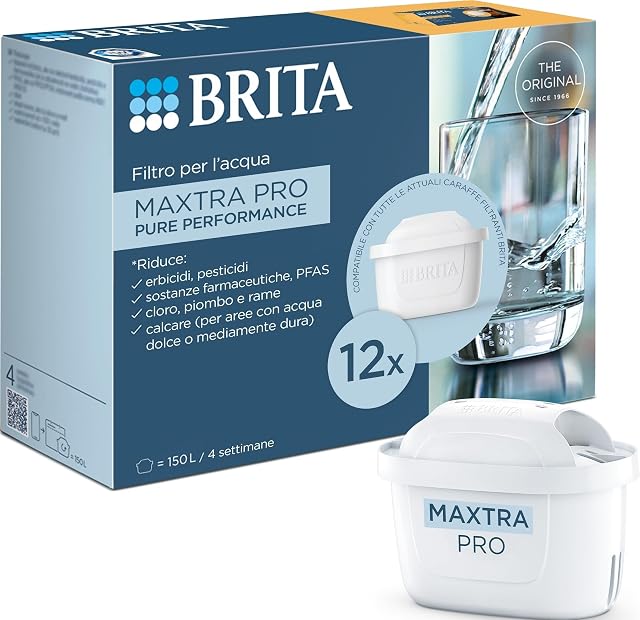
    BRITA Maxtra Pro Pure Performance

    Jug cartridge · reduces carbonate hardness · ≈ 4 weeks

    Not a coffee product, and the highest-return thirty euros in this whole site. Hard water is what kills espresso machines, and a jug filter in front of the tank buys years of life for the price of a few bags of beans.

    Best for: Anyone on water above roughly 150 ppm — which is most of northern Europe.

    7.8/10

    ≈ $40 / £30 / 30 € (12-pack)

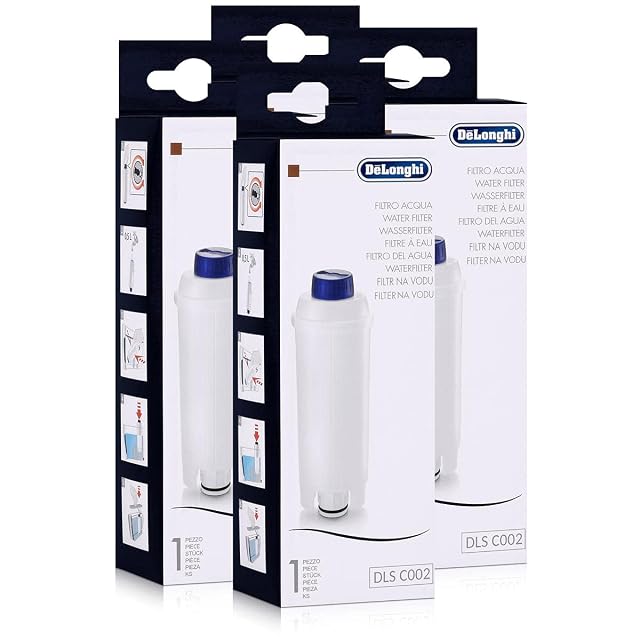
  • De'Longhi's own

    De'Longhi DLSC002 Water Filter

    In-tank cartridge · ≈ 2 months

    The in-tank cartridge for De'Longhi bean-to-cup machines. It does what an in-tank filter does — reduces the hardness reaching the boiler with no habit to maintain — at the manufacturer's price.

    Best for: Any De'Longhi bean-to-cup owner who will not reliably fill from a filter jug.

    7.7/10

    ≈ £25 / 28 € (2-pack)