Out-grinds electric grinders costing three times as much, provided you accept the arm. The ESP burr reaches espresso fineness with real adjustment — which is not true of most hand grinders at any price.
The bottom line The best grind per euro on the market, paid for in forearm.
Hand grinders used to be a compromise you accepted for travel. That stopped being true somewhere around the Chestnut C series, and the C3 ESP Pro is the clearest example of why: on pure particle consistency, this seventy-euro object holds its own against electric grinders at three times the price.
The reason is unglamorous. An electric grinder spends most of its budget on a motor, a housing, a hopper and a dosing mechanism. A hand grinder spends almost all of it on the burrs and the shaft that holds them steady. Two bearings, a stabilised axis and a well-cut 38 mm burr set is a lot of grinder for the money when nobody has to pay for a motor.
The ESP designation is the part that matters here. Plenty of hand grinders claim espresso capability and cannot deliver it, either because they will not go fine enough or because their adjustment jumps straight past the range where espresso lives. This burr profile and this adjustment were built for that band, so you can dial a shot rather than approximate one.
The cost is entirely physical and entirely real. Eighteen grams at espresso fineness is around forty seconds of steady cranking, and light roasts — denser, harder — make it meaningfully harder work. At filter coarseness it is a pleasant twenty-five seconds. One coffee a day is a ritual; four is a chore you will stop doing.
So the honest framing is not “is this a good grinder” — it plainly is. It is how many cups you make before eight in the morning.
What we like, and what we don't
Strengths
Grind quality genuinely competes with 200-euro electric grinders
Reaches true espresso fineness with usable fine adjustment
All-metal body and burr set; nothing here feels disposable
Effectively zero retention — perfect for single-dosing
Compromises
About 40 seconds of steady cranking per espresso dose
Grinding fine for espresso takes real force, especially with light roasts
Small capacity: one dose at a time, no batches
External adjustment is easy to knock while cleaning
Where this one sits in its aisle
At 80 $, it is the 1 cheapest of the 6 models in this category published here.
Cheapest in the aisle80 $
Median340 $
Dearest in the aisle450 $
Specifications
Burr type
38 mm stainless steel, ESP profile
Adjustment
Stepped, fine espresso clicks
Body
All metal
Capacity
≈ 25 g
Retention
Near zero
Bearings
Double, axis-stabilised
Questions people actually ask
Can a hand grinder really do espresso?
This one can, which most cannot. Espresso needs fine grinding and fine adjustment, and cheap hand grinders usually have neither — they bottom out too coarse or their steps jump. The ESP burr and adjustment were designed for that range specifically. What it cannot change is that fine grinding takes force, and you supply it.
How long does a dose take?
Around 40 seconds for 18 g at espresso fineness, longer with hard, light-roasted beans. At filter coarseness it is closer to 25 seconds and much easier. If you make four drinks on a weekday morning, you will resent it by Thursday.
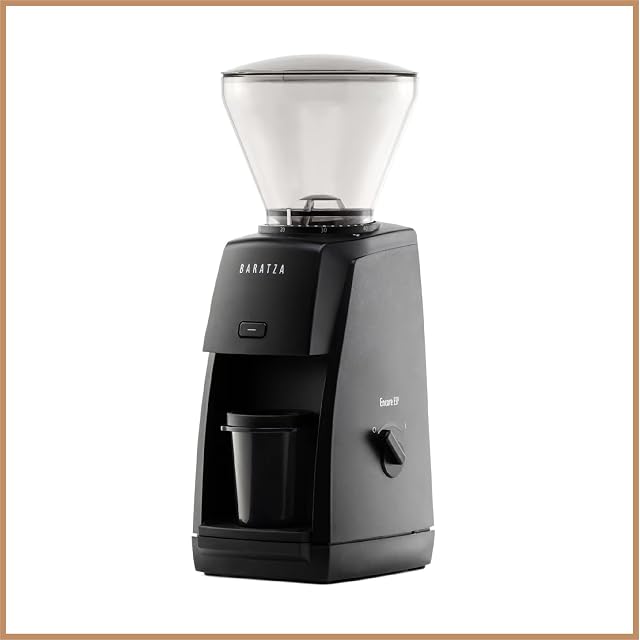
This or the Baratza Encore ESP?
The Timemore grinds slightly more consistently for a quarter of the price. The Baratza does it while you do something else. That trade — grind quality against your morning — is the entire decision, and it depends on how many cups you make, not on which is the better grinder.
Our score
8.4/ 10
The best grind per euro on the market, paid for in forearm.
Who this one is for
One or two coffees a day, or a travel grinder that does not compromise.
Compared with its closest rivals
Same category, nearest prices. Only the specifications every one of them states are shown — a half-empty column compares nothing.
A reference exists on these Amazon stores: France, Germany, Italy, Spain, United Kingdom, United States. Listed is not the same as in stock — availability changes daily.
Details checked on August 8, 2026.
Sources
Specifications: manufacturer sheet and Amazon product page. Prices and availability: Keepa. No product on this site has been physically tested.
The cheapest electric grinder that genuinely does espresso and filter without being bad at both. Forty fine steps in the espresso range is the whole point — and Baratza will still sell you a burr set for it in ten years.
Best for: Anyone pairing a grinder with a Gaggia Classic, a Dedica upgrade, or a Barista Express they have outgrown.
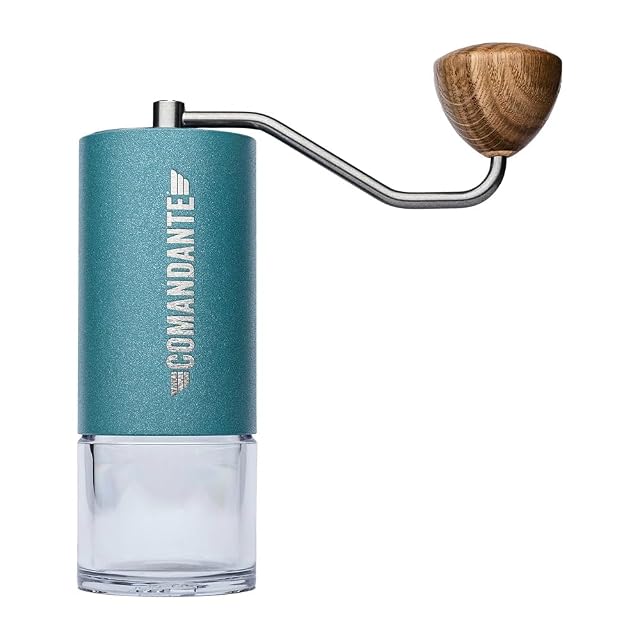
39 mm nitrogen-hardened burr · hand · filter & espresso
The hand grinder others are measured against, and priced accordingly. Grinds better than electric grinders at twice the money, and asks for your arm every single morning.
Best for: One or two exceptional cups a day, travel, and anyone who values the object.
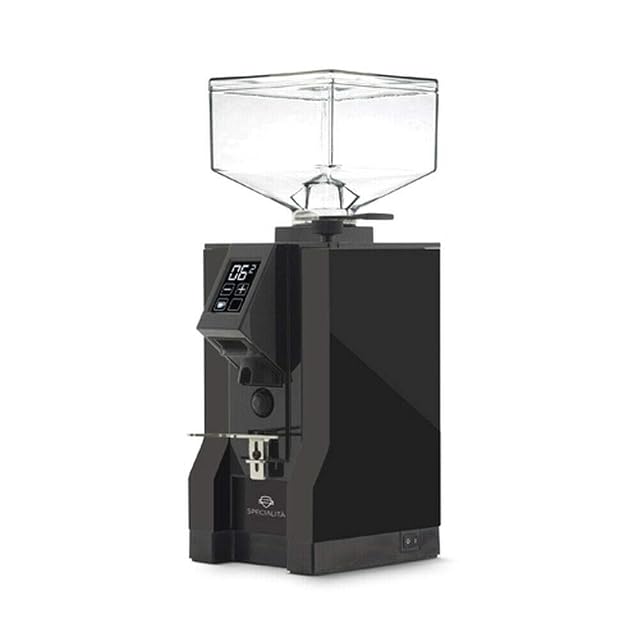
Stepless adjustment, 55 mm flat burrs and almost nothing left in the chute — the three things that separate a serious espresso grinder from a good one. It is quiet enough to use at six in the morning without an argument.
Best for: A Gaggia Classic, Lelit or Rancilio owner who has stopped blaming their technique.