The bottom line The most coffee per euro, provided the grinder is up to it.
The French press is the brewer most people own and the one most people brew badly, and the reason is almost never the press. It is the grinder.
Immersion brewing means the coffee sits in water for four minutes and is then separated by a metal mesh. Metal holds back the grounds and lets the oils through, which is where the full, round body comes from — the thing paper brewers deliberately remove. But a mesh cannot hold back fine particles, so every fine your grinder produces goes straight into the cup as sediment. That is why supermarket French press coffee is gritty and bitter: a blade grinder produces a mountain of fines.
Grind coarse — coarser than feels right — with a burr grinder, and the same press produces a rich, heavy, sweet cup with only a trace of sediment at the bottom. It is genuinely one of the best brewers there is, and it costs nothing to run.
Two habits improve it further. Break the crust and skim the foam at four minutes rather than stirring it back in, since the foam carries a lot of the bitterness. And decant immediately into a jug or cups; coffee left sitting on the bed keeps extracting and is noticeably harsher by the second cup.
The Chambord is the classic version and the one worth buying because the beaker is a stocked spare part. Glass beakers break, always at the base, usually while washing. Being able to buy just the glass rather than a new press is the difference between a decade of use and a landfill decision.
What we like, and what we don't
Strengths
No filters to buy, forever — the only zero-consumable brewer here
Full body and mouthfeel that paper brewers deliberately remove
Forgiving of technique; the timer does the work, not your pour
Compromises
Sediment in the cup is inherent, not a fault
Needs a coarse, consistent grind — cheap grinders produce sludge
Glass beaker breaks, and it is the part that always breaks
Where this one sits in its aisle
At 45 $, it is the 4 cheapest of the 6 models in this category published here.
Cheapest in the aisle25 $
Median45 $
Dearest in the aisle60 $
Specifications
Capacity
1 L — 8 cups
Filter
Stainless steel mesh, 3-part
Grind
Coarse
Steep time
4 minutes
Beaker
Borosilicate glass, replaceable
Questions people actually ask
Why is my French press full of sludge?
Grind size. A metal mesh cannot hold back fine particles, so any fines your grinder produces end up in the cup. Blade grinders and cheap burr grinders make a lot of fines, which is why supermarket French press coffee is gritty. Grind coarse, and decant rather than leaving the coffee sitting on the bed.
Should I plunge slowly or quickly?
Slowly, and not all the way. Pressing hard forces fines through the mesh and agitates the bed. Better still, break the crust at four minutes, skim the foam, and pour without pressing far at all.
Metal filter or paper?
The metal mesh is the point — it lets the oils through, which is where the body comes from. Adding a paper filter turns it into a slow immersion pour-over, which is a real technique but not why you bought this.
Our score
8.1/ 10
The most coffee per euro, provided the grinder is up to it.
Who this one is for
Big-bodied dark and medium roasts, and anyone who does not want to buy papers.
Compared with its closest rivals
Same category, nearest prices. Only the specifications every one of them states are shown — a half-empty column compares nothing.
A reference exists on these Amazon stores: France, Germany, Spain, United Kingdom, United States. Listed is not the same as in stock — availability changes daily.
Details checked on August 8, 2026.
Sources
Specifications: manufacturer sheet and Amazon product page. Prices and availability: Keepa. No product on this site has been physically tested.
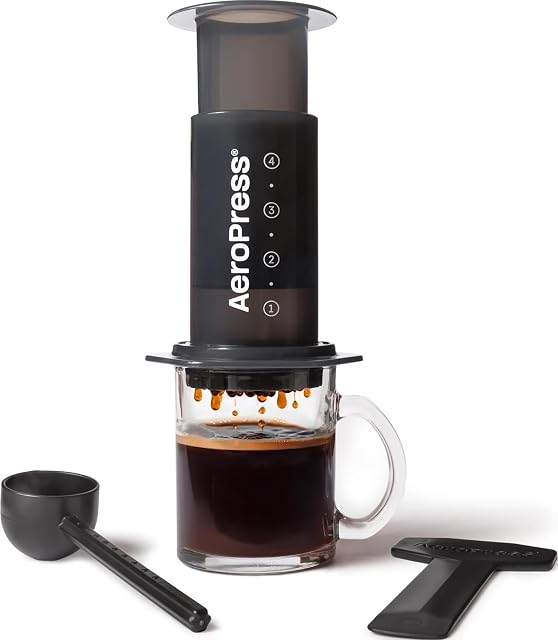
The one brewer that makes a good cup while you are still learning. Immersion means time does the work instead of your pour — so a mediocre grinder and an ordinary kettle still produce something you want to drink.
Best for: Your first real brewer, an office drawer, or anywhere a V60 would be a nuisance.
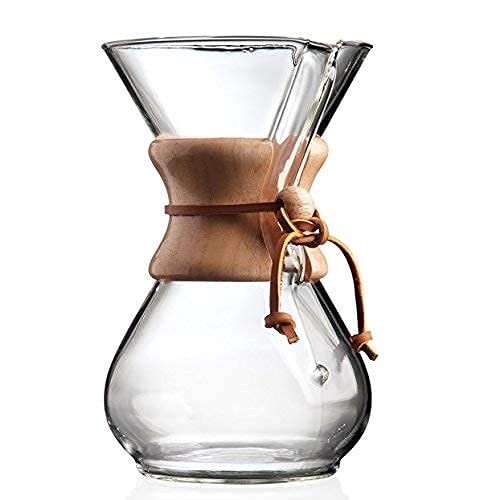
The thickest filter paper in coffee, which strips out oils and fines and leaves a cup like tea. Divisive by design — you will either love the clarity or find it hollow.
Best for: Light-roast single origins where you want acidity and florals, not body.
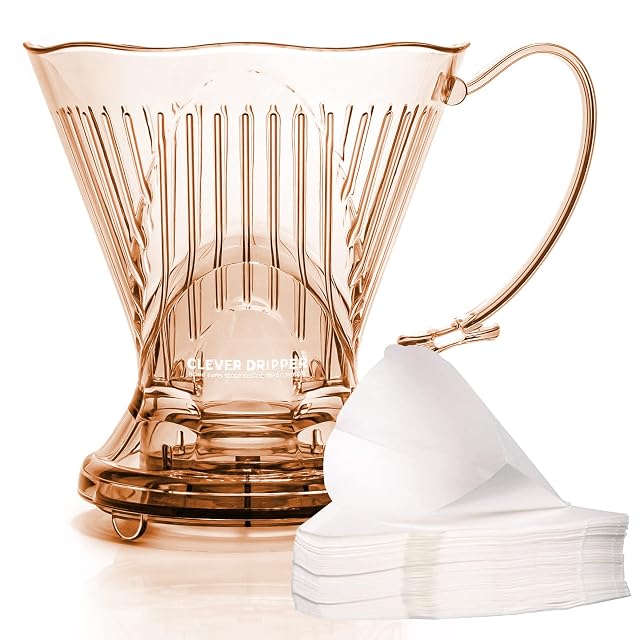
Steep like a French press, drain through paper like a pour-over, and the valve opens by itself when you set it on the cup. The most forgiving route to a genuinely clean brew.
Best for: Anyone who wants V60 clarity without owning a gooseneck kettle.