Where we land on it The cheapest thing on this shelf, and the only listing anywhere on it that publishes what its aluminum alloy contains — down to the nickel. Six cups, bakelite handle, no induction and no volume figure.
What the maker puts in writing
6 cups
Aluminum, with the alloy elements published
Cool-touch bakelite handle and knob
Flip-up lid, side pour spout
Gas, ceramic and electric coil cooktops
A disclosure nobody else on this shelf makes
This product contains the following elements: Aluminum (Copper, Iron, Magnesium, Zinc, Manganese & Manganese Compounds, Nickel & Nickel Compounds, Tin).
Seven other listings here say “aluminum” and stop. This one names what is in the alloy and points at its own page for more.
It is an unusual thing to publish on a ten-dollar coffee pot, and it is the only material transparency on the shelf.
What the price buys and what it does not
Six cups, a lid, a spout and a handle that does not burn. No safety valve in the listing, no volume, no gasket size, no induction.
At this price that is a reasonable trade, and the pot above it that publishes most of those things costs three times as much.
Availability
Read on the day this page was built: $13 at the American Amazon shop.
Read from Keepa on the day this page was last revised; stock and price both move without notice.
What it gets right, and wrong
Strengths
The lowest price on this shelf by a clear margin, for a six-cup pot
The only listing anywhere on this shelf that publishes its alloy composition, naming nickel among the elements
A side pour spout and a flip-up lid, both named, on the cheapest pot here
Compromises
No volume in ounces, no safety valve and no gasket information
Gas, ceramic and electric coil only — no induction, and no mention of ceramic-glass or halogen
Bakelite rather than silicone or soft-touch, which is the oldest handle material on this shelf
Where this one stands among its neighbors
At $13, it is the 1 cheapest of the 8 models in this category published here.
Least costly of the neighbors$13
Median$35
Most costly of the neighbors$60
Specifications
Capacity
6 cups
Material
Aluminum
Alloy content
Copper, iron, magnesium, zinc, manganese and manganese compounds, nickel and nickel compounds, tin — as published by the maker
Handle and knob
Cool-touch bakelite
Lid
Flip up, with a side pour spout
Cooktops
Gas, ceramic and electric coil
Volume in ounces
Not stated by the maker
Safety valve
Not stated by the maker
Amazon reference
B00164QTY0
EAN
0094046200166
What people want to know
Why does it list chemicals?
The maker publishes the elements in its aluminum alloy — copper, iron, magnesium, zinc, manganese, nickel and tin — with a link to its own page. No other listing on this shelf discloses anything of the kind. Whether that reassures or concerns you, it is more information than the other seven give.
How much coffee is six cups?
The listing does not say. The one six-cup pot on this shelf that publishes a figure gives 7.9 ounces, which is about a mug split six ways.
Will it fit my cooktop?
Gas, ceramic and electric coil, published. Not induction. Of the eight pots here only one takes induction directly and one more takes it with an adapter plate.
Compared with the neighboring coffee machines
These coffee machines share the category and the price bracket. Only what each one states is shown; an incomplete column would mislead.
The difference between the models, in coffee machines
If price decides: this model, at $13.
Today’s price and availability, for coffee machines
Details checked on October 30, 2026.
This one and its buyer, among coffee machines
A spare pot, a camping box or a first moka where price is the decision
What buyers actually choose
Amazon reports what buyers took in the month before this page was last checked: at least 2,000.
The figure is a floor, rounded by Amazon, and read through Keepa — it says what buyers picked, not what a maker claims.
Sources
Specifications: the manufacturer sheet for coffee equipment and the matching Amazon product page. Prices and availability: Keepa. Every figure on this page names its source.
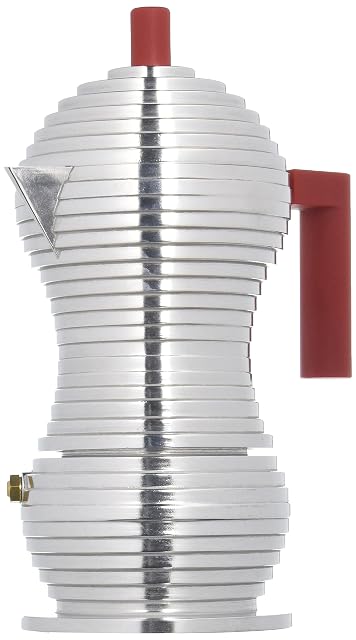
Alessi asked an engineer, not a stylist, to fix the moka pot. The internal profile interrupts the flow before the bitter steam phase arrives — which is the one thing a classic moka cannot do for you.
Best for: A moka drinker who will not reliably take the pot off the heat at the right moment.
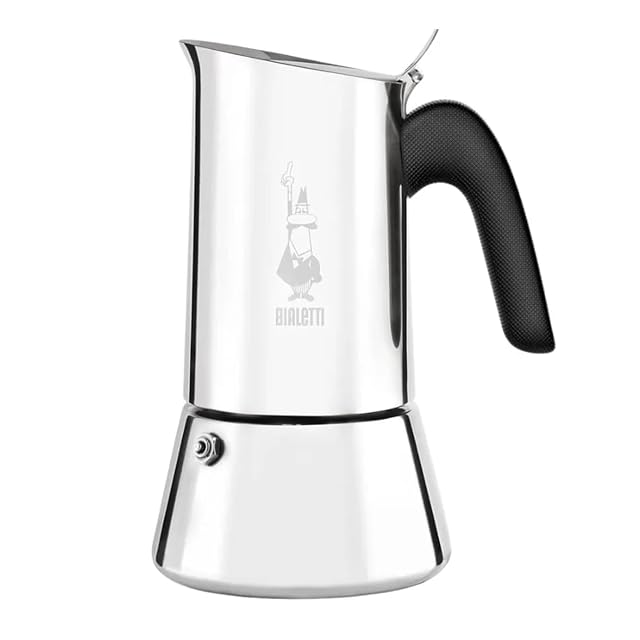
The stainless Bialetti that works on induction, which the aluminum Moka Express does not. Slower to heat, easier to clean, and it will outlive the classic.
Best for: Anyone with an induction cooktop, or who wants a moka pot that goes in the dishwasher.
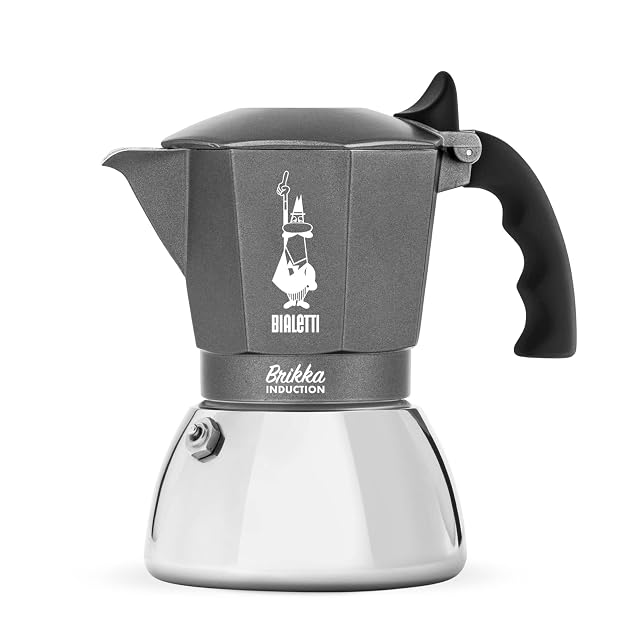
A weighted valve holds pressure back until it releases in one burst, which produces a genuine layer of crema. It is also fussier than a normal moka, and unforgiving if you fill it wrong.
Best for: A moka drinker who wants something closer to espresso and will follow the instructions.