A weighted valve holds pressure back until it releases in one burst, which produces a genuine layer of crema. It is also fussier than a normal moka, and unforgiving if you fill it wrong.
The bottom line The most espresso-like stovetop coffee there is, if you follow the rules exactly.
Every moka pot works the same way: water in the base is heated until steam pressure pushes it up through the coffee bed. The pressure involved is low — well under two bars against the nine an espresso machine produces — which is why moka coffee is strong and thick but has no crema.
The Brikka adds a weighted valve at the top of the column. Instead of letting coffee out as soon as it can, the valve holds it back while pressure builds, then releases in a burst. The sudden pressure drop emulsifies the coffee oils, and what comes out has a genuine layer of crema on top. It is not espresso, but it is closer than anything else you can put on a hob.
The catch is that the mechanism only works inside a narrow window. Fill the base above the valve and you get a mess; below it and pressure never builds. Use a high flame and the pressure spikes past the valve before it can do anything useful. A Moka Express treated carelessly still makes coffee; a Brikka treated carelessly makes disappointment.
Keep the valve clean, too. It is a small weighted part that coffee oils gum up over months, and a sticky valve either releases too early or not at all. A rinse and an occasional check are the whole maintenance regime, and skipping it is how people conclude the Brikka is overrated.
Learn on a Moka Express. Buy this once you know what a good moka brew tastes like and want more of it.
What we like, and what we don't
Strengths
Produces real crema — no other stovetop pot does this properly
Thicker, sweeter, more espresso-like cup than a Moka Express
Current version is induction-compatible
Compromises
Very sensitive to fill level and heat; small errors ruin the brew
The valve is a wear part and must be kept scrupulously clean
Only makes its rated volume — no flexibility at all
Where this one sits in its aisle
At 60 $, it is the 3 cheapest of the 4 models in this category published here.
Cheapest in the aisle35 $
Median60 $
Dearest in the aisle60 $
Specifications
Mechanism
Weighted pressure valve
Sizes
2 or 4 cups
Induction
Yes (current version)
Grind
Slightly finer than a Moka Express
Crema
Yes, genuine
Questions people actually ask
How does the valve create crema?
A normal moka pot pushes coffee up as soon as pressure exceeds the column's weight, at well under two bars. The Brikka's weighted valve holds the coffee back until pressure builds considerably higher, then releases it in a burst. That sudden pressure drop emulsifies the oils, which is exactly what produces crema on an espresso machine — at a smaller scale.
Why is mine not producing crema?
Almost always the water level or the heat. The base must be filled to the valve, not above and not below, and the heat must be low enough that pressure builds gradually. Too much heat and it forces through before the valve does its job.
Brikka or Moka Express?
The Moka Express is more forgiving, cheaper and better for a first pot. The Brikka makes a noticeably better cup when you get it right and a noticeably worse one when you do not. Learn on the Express.
Our score
7.8/ 10
The most espresso-like stovetop coffee there is, if you follow the rules exactly.
Who this one is for
A moka drinker who wants something closer to espresso and will follow the instructions.
Compared with its closest rivals
Same category, nearest prices. Only the specifications every one of them states are shown — a half-empty column compares nothing.
A reference exists on these Amazon stores: France, Germany, Italy, Spain, United Kingdom, United States. Listed is not the same as in stock — availability changes daily.
Details checked on August 8, 2026.
Sources
Specifications: manufacturer sheet and Amazon product page. Prices and availability: Keepa. No product on this site has been physically tested.
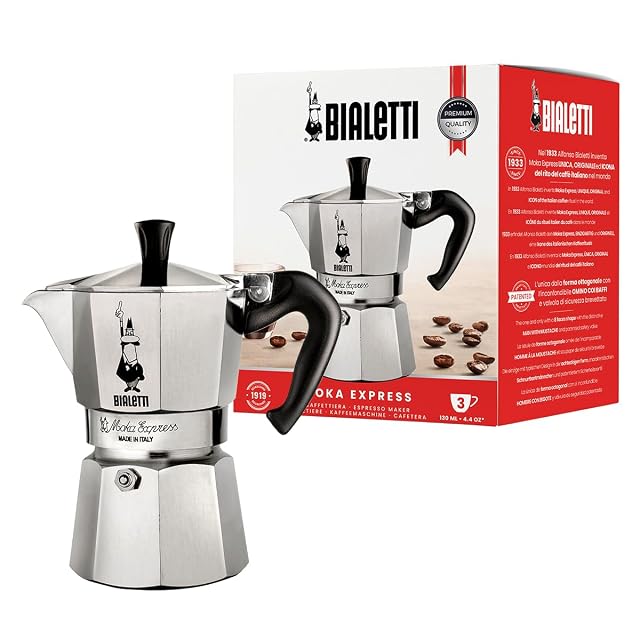
Ninety years old, sold by the million, and misused by almost everyone who owns one. Brewed properly — low heat, pre-boiled water, off the hob at the first gurgle — it is one of the great cheap coffees.
Best for: One or two strong cups on a gas or electric hob, at almost no cost.
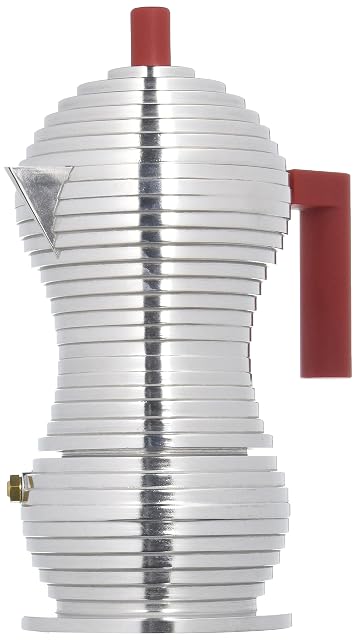
Alessi asked an engineer, not a stylist, to fix the moka pot. The internal profile interrupts the flow before the bitter steam phase arrives — which is the one thing a classic moka cannot do for you.
Best for: A moka drinker who will not reliably take the pot off the hob at the right moment.
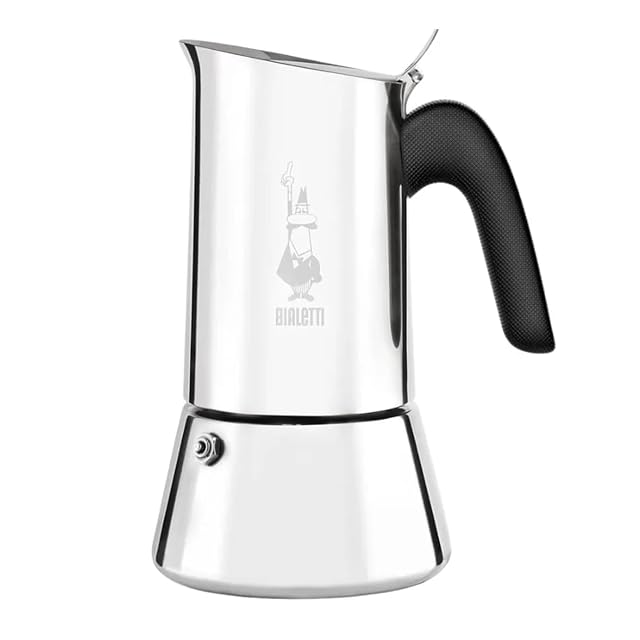
The stainless Bialetti that works on induction, which the aluminium Moka Express does not. Slower to heat, easier to clean, and it will outlive the classic.
Best for: Anyone with an induction hob, or who wants a moka pot that goes in the dishwasher.