Skip to content

The best manual brewers for 2026

Manual brewing is the cheapest way to drink genuinely excellent coffee. We compare pour-over cones, immersion brewers and hybrids on the trade-off that defines them: clarity against body — and on how badly each one punishes a sloppy pour.

The models we recommend

  1. Most forgiving brewer

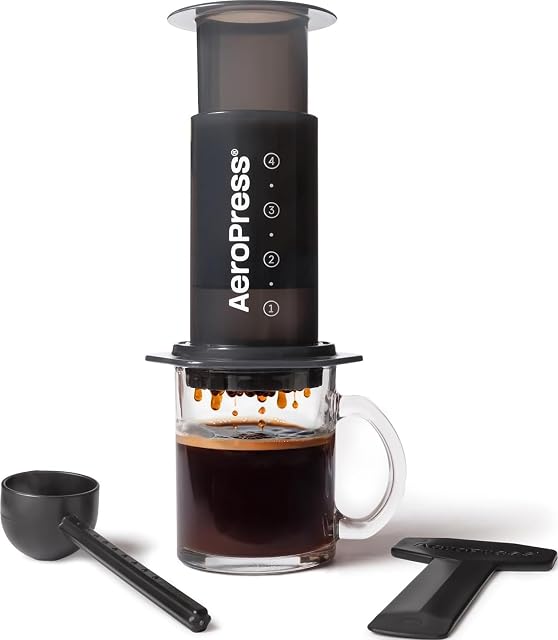
    AeroPress Original

    Immersion + pressure · 1–3 cups · unbreakable

    The one brewer that makes a good cup while you are still learning. Immersion means time does the work instead of your pour — so a mediocre grinder and an ordinary kettle still produce something you want to drink.

    Best for: Your first real brewer, an office drawer, or anywhere a V60 would be a nuisance.
    8.8/10

  2. The reference pour-over

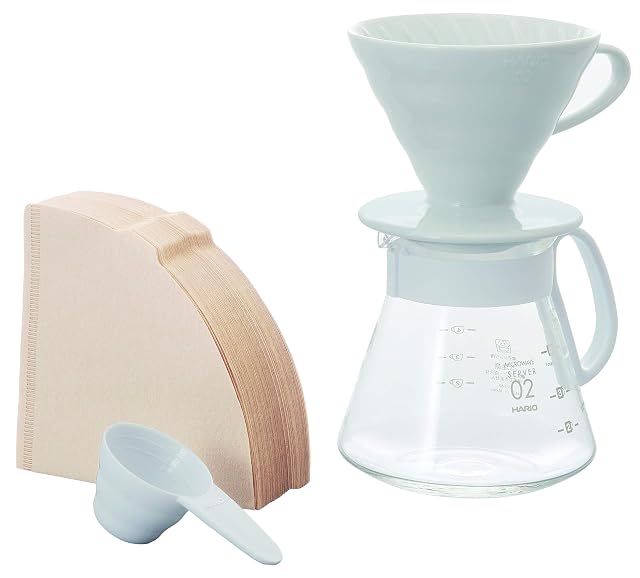
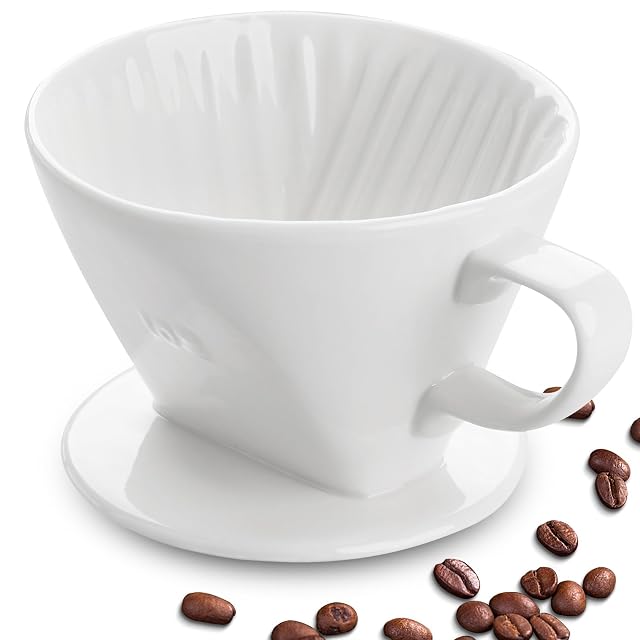
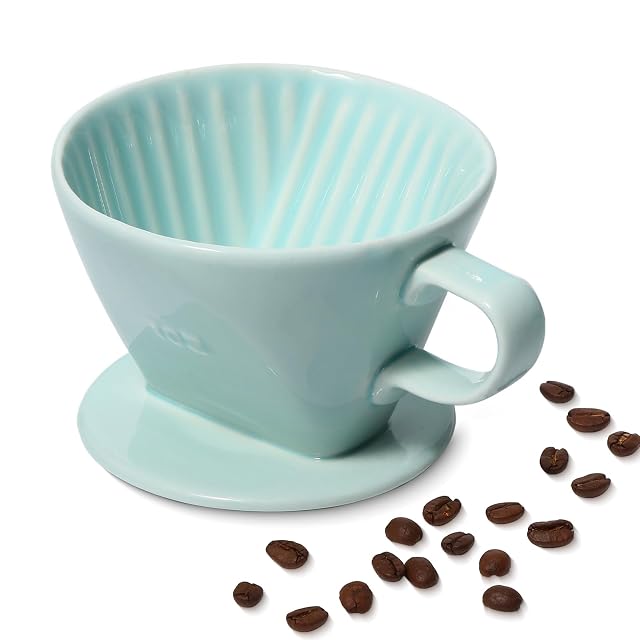
    Hario V60 02 Ceramic

    60° cone · spiral ribs · 1–4 cups

    The most transparent cup you can brew for twenty dollars, and the least forgiving. Ceramic holds heat where plastic does not — and the open bottom means your pour, not the dripper, decides the coffee.

    Best for: Someone who wants to taste what a single-origin coffee is actually doing.

    8.2/10

  3. Cleanest cup

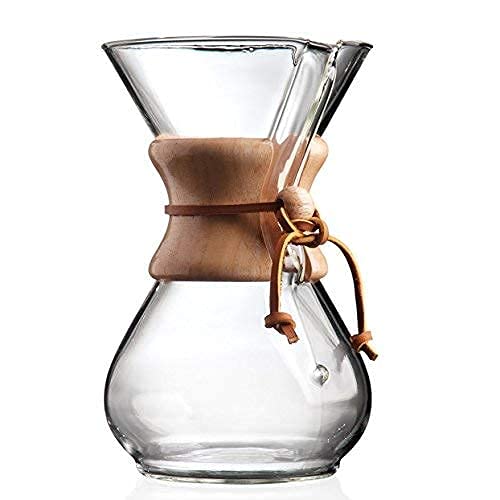
    Chemex Classic 6-cup

    Borosilicate glass · thick bonded filters · 3–6 cups

    The thickest filter paper in coffee, which strips out oils and fines and leaves a cup like tea. Divisive by design — you will either love the clarity or find it hollow.

    Best for: Light-roast single origins where you want acidity and florals, not body.

    8.0/10

Finding your need in manual brewers

A clean, precise cup

The filter type decides what stays in the cup. Paper holds back the oils and gives a clarity neither metal nor cloth reaches.

AeroPress Original

Serving several cups

Capacity limits how many cups per brew, and a manual method is rarely run twice in a row.

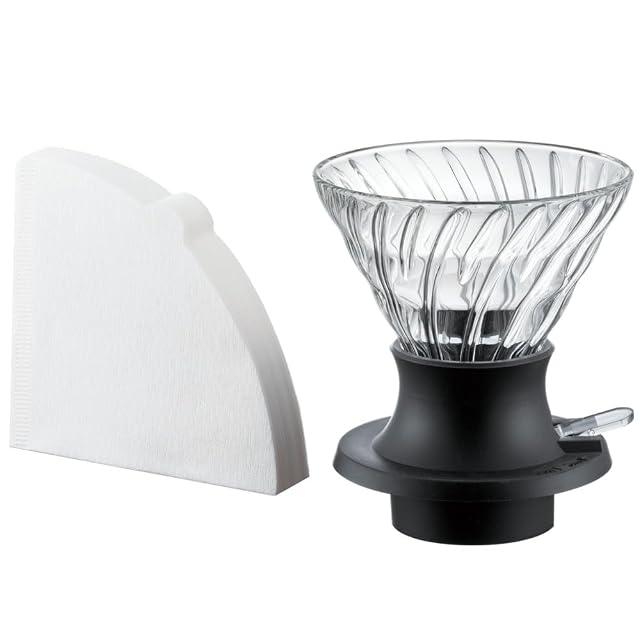
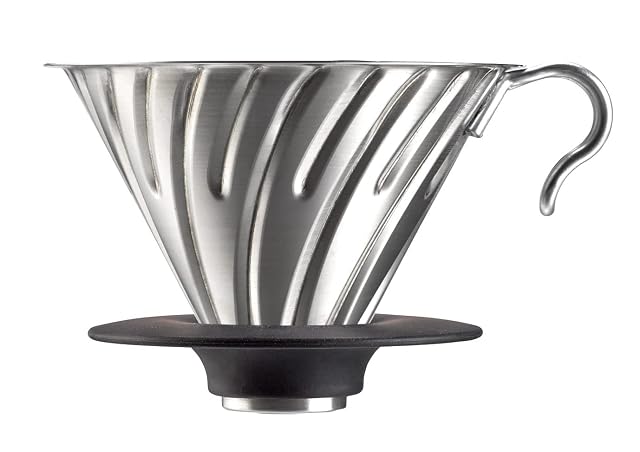
HARIO V60 Metal Dripper 02

Trying it without investing

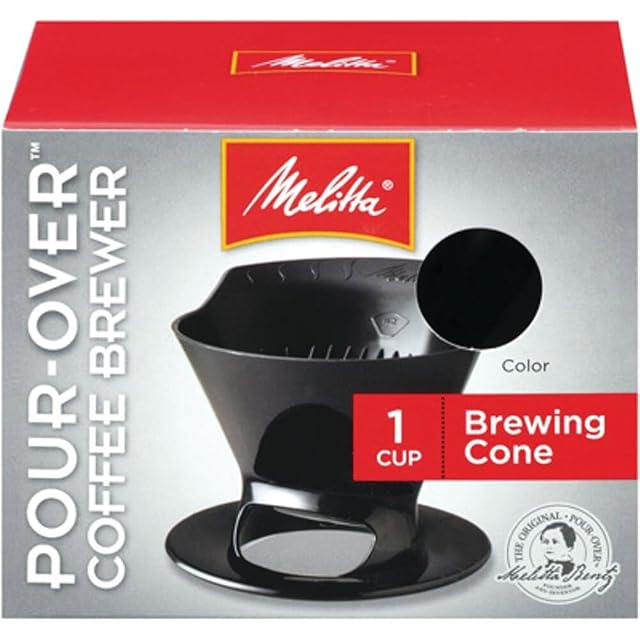
This is the cheapest way into specialty coffee. The most affordable model is enough to judge whether the method suits you.

Melitta 1-Cup Pour-Over Cone

The buyer behind each kind, in manual brewers

One cup at a time
The natural ground for manual methods: total control, minimal equipment, little washing up. You have to accept three to four minutes of attention.
Travel and office
Plastic or copolyester brewers survive knocks and weigh a few dozen grams. It is the only decent coffee you can carry without electricity.
Serving coffee to four friends
A large-capacity carafe serves several people from one brew, which makes the manual method workable beyond two cups.

The downsides that come with manual brewers

Control against consistency
A manual method gives the best and the worst coffee in the house depending on the pour. A machine is steady and caps out lower.
Paper against metal
Paper gives a clean cup and holds back the oils; metal lets body and some fines through. The first flatters light roasts, the second dark ones.
Immersion against percolation
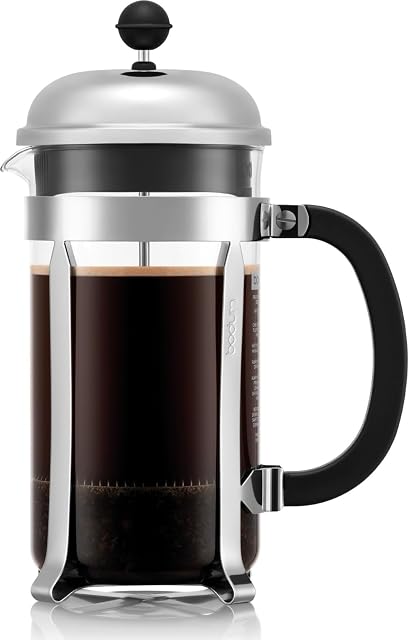
Immersion — press, steeping brewers — forgives the grind and gives a rounder cup. Percolation demands precision and gives more clarity.

The questions people ask about manual brewers

Do I need scales?

It is the accessory that changes the result most, ahead of the brewer itself. Without precise dosing, the same method gives a different coffee every morning.

What grind for a manual brewer?

Medium to medium-fine depending on the method, and above all even. It is the grinder that decides, not the brewer.

What water temperature?

Between 92 and 96 °C (205 °F) for most coffees. Boiling water over-extracts and gives bitterness; water too cool leaves the coffee sour and hollow.

How long should extraction take?

Two to four minutes depending on method and quantity. A much faster extraction signals too coarse a grind, and the reverse for one that drags.

Should I rinse the paper filter?

Yes, with hot water. It removes the papery taste and preheats the brewer, which steadies the temperature during extraction.

Do glass, plastic or ceramic change anything?

Mainly in thermal inertia: ceramic needs preheating, plastic barely does. In the cup the difference is minor compared with the pour.

Why is my coffee bitter?

Over-extraction: grind too fine, water too hot, or contact time too long, in that order of frequency. A sour, hollow coffee signals the opposite.

Can a manual brewer go in the dishwasher?

Glass and food-grade plastic generally cope; metal dulls. The point to watch is the gasket, which hardens in the heat of the cycle and eventually leaks.

Worth remembering, on manual brewers

A manual brewer costs little and demands attention: it is the best value in coffee, provided you add scales and a decent grinder. Which brewer you choose comes a long way behind grind and temperature.

Manual brewers in brief

Manual brewers, side by side

There is no table here, and the reason is in the listings. The figure published most often across these 14 products is filters, given by 10 of them — short of the four in five a column needs to compare rather than to display gaps. Each product page says what its own maker published.

What a budget buys on this shelf

The guides that discuss manual brewers

Sources, and the method

Specifications: manufacturer sheets for coffee equipment and the matching Amazon product pages. Prices and availability: Keepa.

Most recent revision in this category: October 30, 2026.

The way we judge manual brewers