Skip to content

The best filter coffee makers for 2026

A good batch brewer makes better coffee than most people make by hand, and makes eight cups of it while you get dressed. We compare machines on brew temperature, shower head design (does it wet the whole bed?) and carafe heat retention.

The models we recommend

  1. Best batch brewer

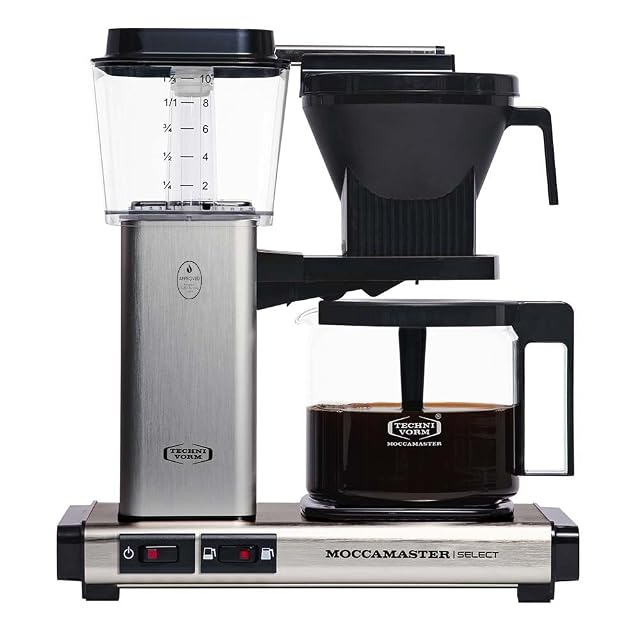
    Moccamaster KBGV Select

    1.25 L · 92–96 °C (198 to 205 °F) brew · copper element · SCA certified

    Hits proper brew temperature in about four minutes and holds it, which is the entire job and which almost no cheap drip machine does. Hand-built in the Netherlands, repairable indefinitely, and priced accordingly.

    Best for: A household that drinks filter coffee by the pot, every day, for years.

    8.9/10

Finding your need in filter machines

Filling four mugs in one brew

Capacity decides how many cups per cycle, and running a full cycle again for two extra cups lets the first coffee go cold.

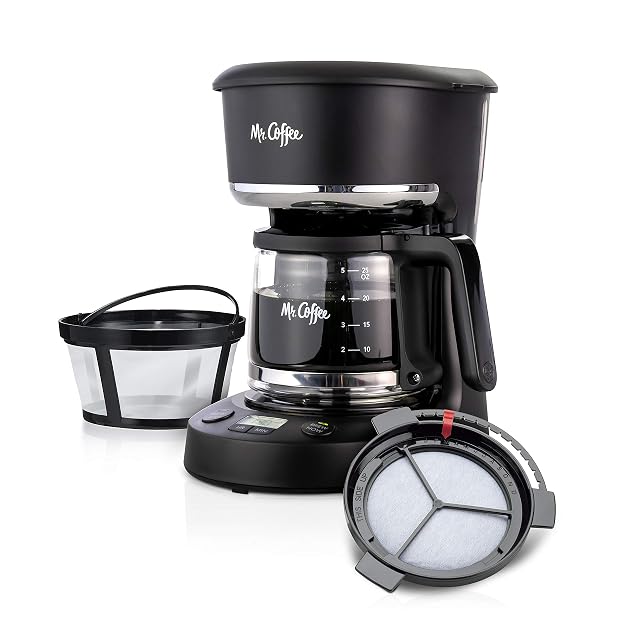
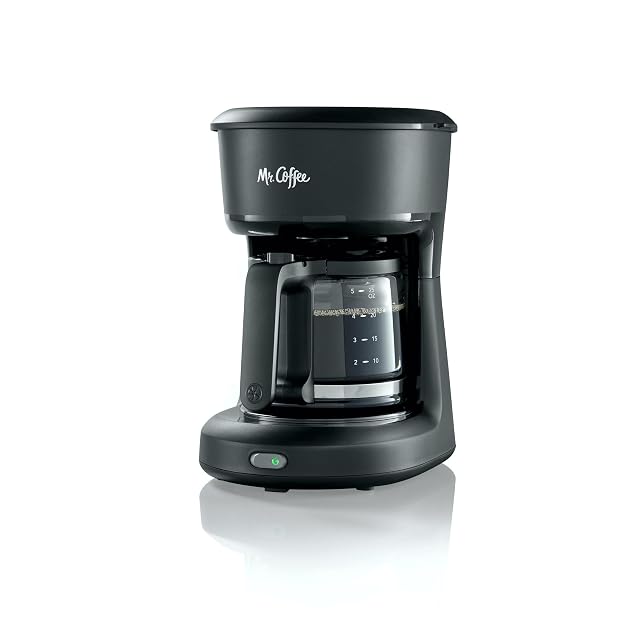
Mr. Coffee 5-Cup Mini Brew

Decent filter coffee without complication

In this aisle the difference comes down to brew temperature and how the water is spread. The highest-rated model here is the safest starting point.

Moccamaster KBGV Select

Keeping coffee hot without cooking it

A hotplate keeps the pitcher warm and goes on cooking the coffee. A vacuum carafe holds the temperature without changing the taste, and that is what separates two otherwise identical machines.

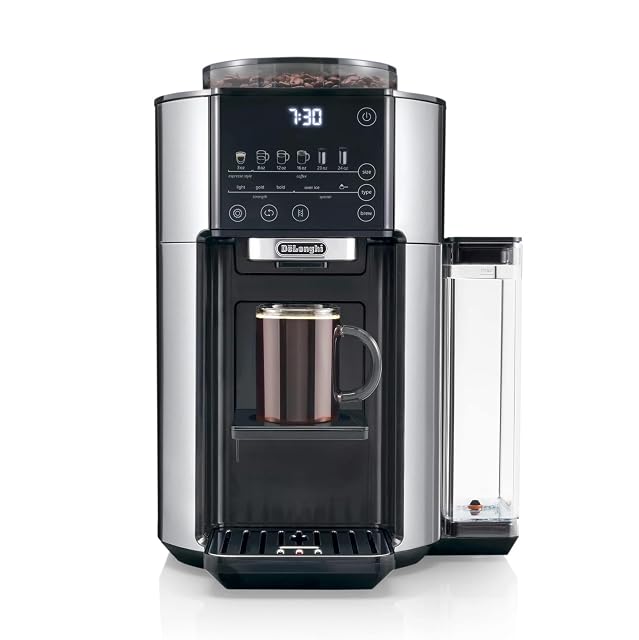
De'Longhi TrueBrew CAM51025MB

The buyer behind each kind, in filter machines

Family morning coffee
An insulated carafe avoids the hotplate, which cooks the coffee in twenty minutes and gives it that burnt taste everyone blames on the beans.
Office or working from home
One full cycle in the morning and an insulated carafe give drinkable coffee until late morning, with nothing reheated.
Demanding on the cup
Machines certified for brew temperature hold the 92 to 96 °C (198 to 205 °F) range. Below that, extraction stays incomplete and the coffee is flat whatever the grind.

The downsides that come with filter machines

Hotplate against insulated carafe
The hotplate keeps coffee hot and cooks it; the carafe keeps it hot and leaves it alone. It is the only genuinely structural trade-off in this aisle.
Simplicity against control
Machines with settings — temperature, flow, pre-infusion — give better coffee and ask to be touched. One-button machines are consistent and cap out.
Built-in grinder against space
A grinder inside the machine simplifies mornings and makes the whole thing bulkier, louder and harder to clean.

The questions people ask about filter machines

What temperature does good filter coffee need?

Between 92 and 96 °C (205 °F). Many entry-level machines never get there, which gives a flat coffee no grind can rescue.

Paper filter or permanent?

Paper holds back the oils and gives a cleaner cup; permanent lets more body through and costs less to run. It is a matter of taste, not quality.

What grind for filter?

Medium, close to sand. Too fine and the water stalls and the coffee turns bitter; too coarse and it runs straight through, leaving a watery cup.

Why does my coffee taste burnt?

Almost always the hotplate, which carries on cooking the coffee after the cycle. Twenty minutes are enough to make it unpleasant.

Does a filter machine need descaling?

Yes, regularly. Scale lowers the brew temperature before it blocks anything: the machine seems to work and the coffee turns dull.

How much coffee per cup?

Around 60 grams per liter as a starting point, adjusted afterwards. Most dull coffee comes from underdosing, not from a bad machine.

Is pre-infusion actually useful?

On freshly roasted coffee, yes: it lets the gas escape before extraction and makes the cup more consistent. On older coffee it changes almost nothing.

How many cups does a filter machine really make?

Capacity is stated in cups of twelve to fifteen centiliters, smaller than a mug. A twelve-cup machine fills six mugs, and that is the figure to read.

Worth remembering, on filter machines

On a filter machine two things decide: brew temperature, and what happens to the coffee after the cycle. A machine that gets hot enough, an insulated carafe and 60 grams per liter are enough to beat most expensive machines that are badly set up.

Filter machines in brief

Comparison table for filter machines

A characteristic enters this table only if four machines in five state it. Below that, the column would mostly speak of what is missing.

ModelPriceCapacity
Mr. Coffee 5-Cup Mini Brew$275 cups
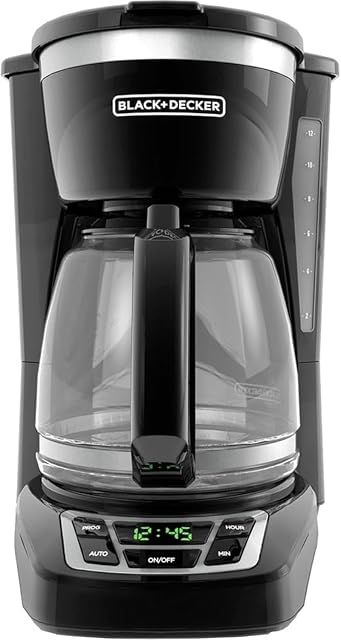
BLACK+DECKER 12-Cup Drip CM1160B$3512 cups; a cup is approximately 5 ounces, as stated by the maker
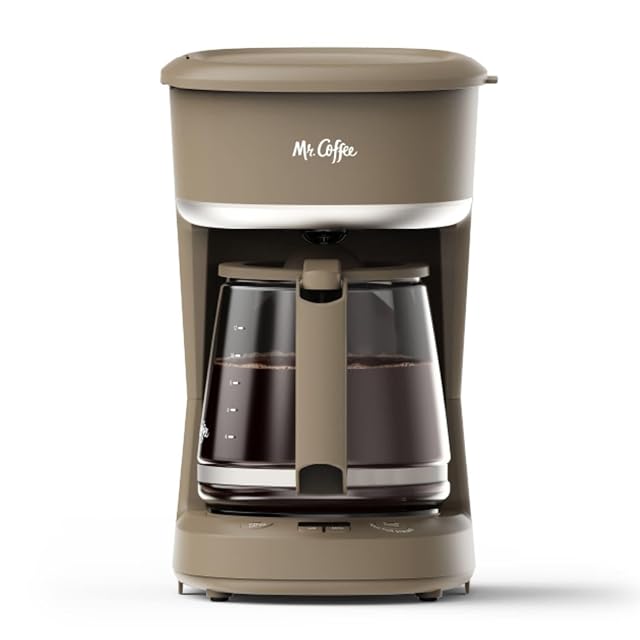
Mr. Coffee 12-Cup Programmable$3512 cups, 60 fl oz / 1.774 L; 1 cup = approx. 5 fl oz / 148 mL
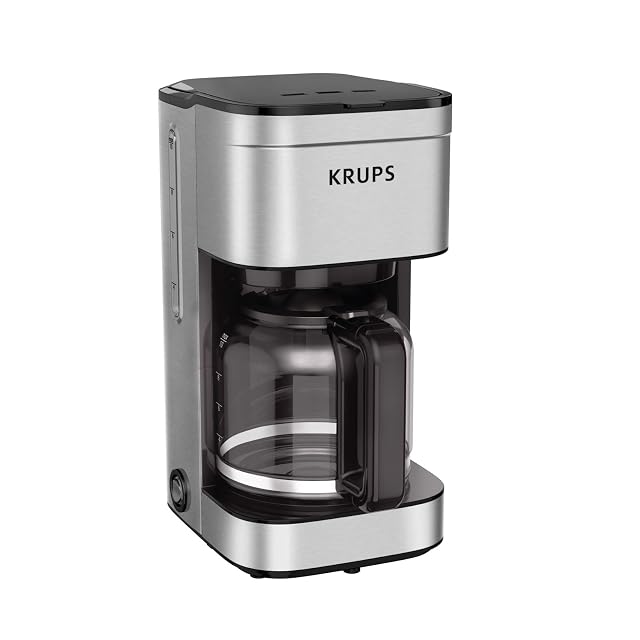
KRUPS Simply Brew 10-Cup$4010 cups, 1.5 L / 51 oz
Mr. Coffee 5-Cup Programmable$4825 oz, stated as up to two standard 12 oz cups
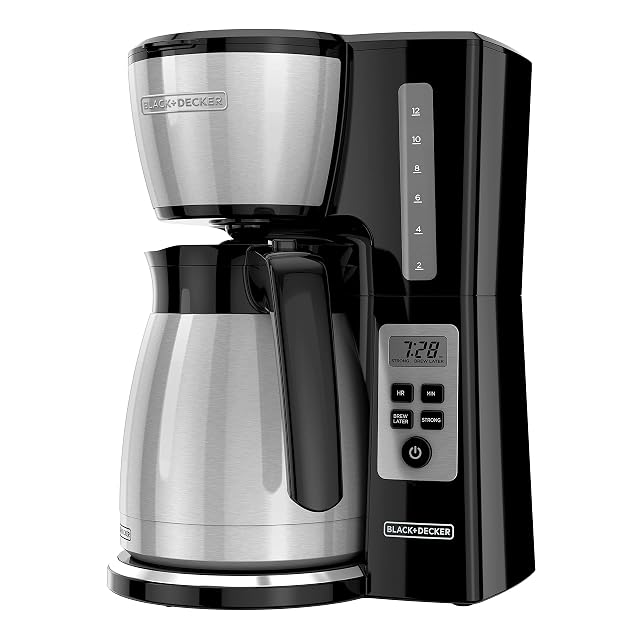
BLACK+DECKER 12-Cup Thermal CM2046S$6312 cups
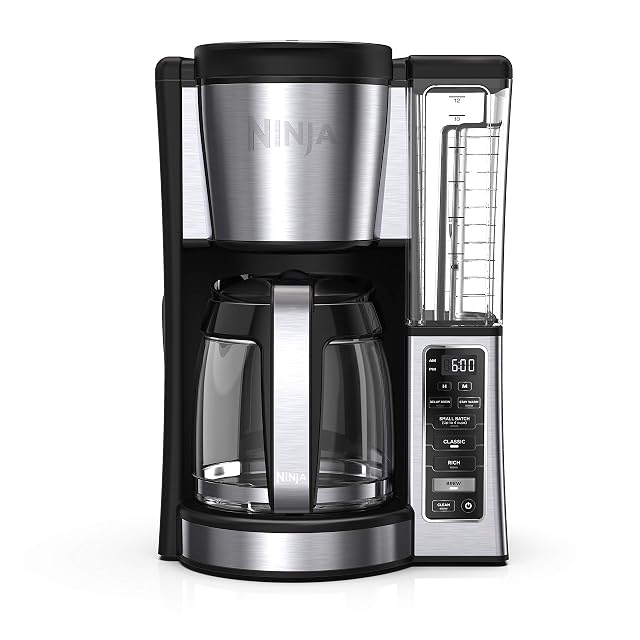
Ninja 12-Cup Programmable CE251$7012-cup glass carafe
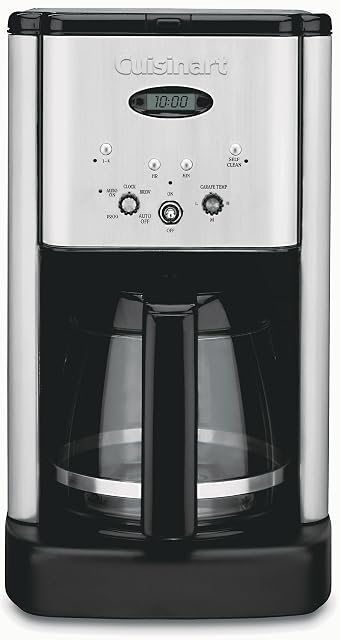
Cuisinart Brew Central DCC-1200$11012-cup glass carafe
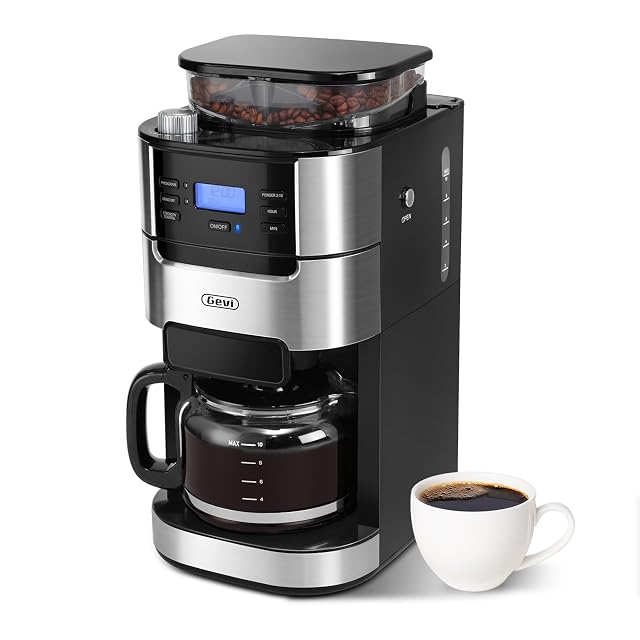
Gevi 10-Cup Grind and Brew$1402 to 10 cups, with automatic water-to-coffee ratio
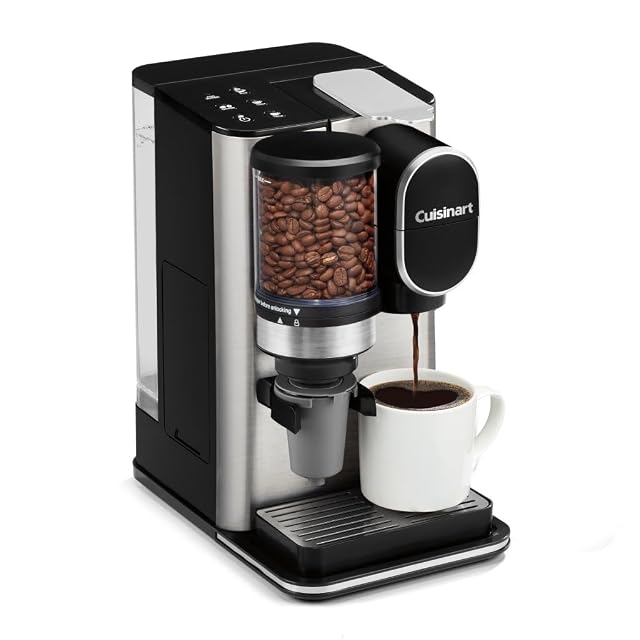
Cuisinart Grind & Brew Single-Serve DGB-2SS$190—
De'Longhi TrueBrew CAM51025MB$490—
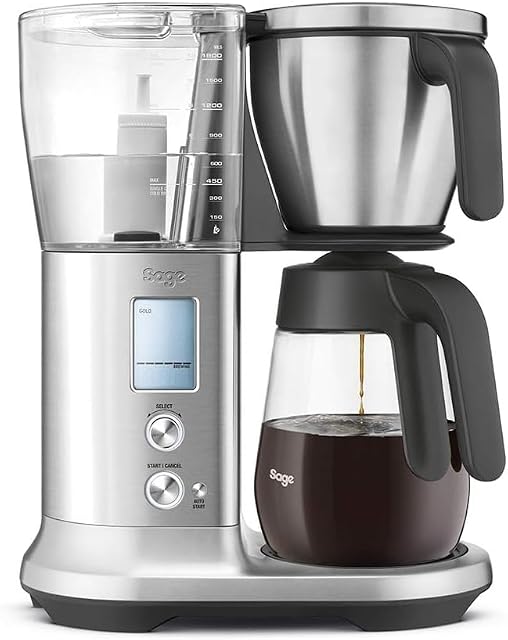
Breville Precision Brewer$01.7 L — 12 cups
Moccamaster KBGV Select$01.25 L (42 oz) — 10 cups

What a budget buys on this shelf

The guides that discuss filter machines

Sources, and the method

Specifications: manufacturer sheets for coffee equipment and the matching Amazon product pages. Prices and availability: Keepa. Every figure in this table names its source.

Most recent revision in this category: October 30, 2026.

The way we judge filter machines