Where we land on it Five ounces for three cups, a pressure safety valve, four to six minutes on a low flame and the instruction not to tamp. The most practical listing on this shelf, at the bottom of the price range.
What the maker puts in writing
3 cups, 5 oz total
Aluminum · gas and electric, not induction
Pressure safety valve
4 to 6 minutes on low to medium heat
Medium-fine grind, no tamping
It tells you how to use it, which nothing else here does
Use medium-fine ground coffee without tamping for optimal extraction.
Eight listings on this shelf. One explains the grind. One explains the flame. One gives a time. They are all this one.
A moka pot is a technique more than a device, and the gap between a good cup and a burnt one is exactly those three instructions.
The volume, published
Five ounces for three cups. Along with GROSCHE at the same figure and the two Bialettis, that makes four listings on this shelf that treat “cups” as something to convert rather than something to say.
Availability
Read on the day this page was built: $16 at the American Amazon shop.
Read from Keepa on the day this page was last revised; stock and price both move without notice.
What it gets right, and wrong
Strengths
The only pot on this shelf that publishes a brew time: four to six minutes on low to medium heat
Tells you how to grind and that you should not tamp, which is the mistake most new moka owners make
Publishes its volume — 5 oz for three cups — at the joint-lowest price on this shelf
Compromises
Aluminum and explicitly not for induction
Nothing published about the gasket size, which one pot on this shelf does give
Hand wash only, like most of this shelf, but with no detergent guidance either way
Where this one stands among its neighbors
At $16, it is the 2 cheapest of the 8 models in this category published here.
Least costly of the neighbors$13
Median$35
Most costly of the neighbors$60
Specifications
Capacity
3 cups, 5 oz total
Material
Aluminum
Safety valve
Pressure safety valve
Brew time
4 to 6 minutes on low to medium heat
Grind
Medium-fine, without tamping, as stated by the maker
Cooktops
Gas and electric; not for induction
Handle
Heat resistant, with a finger grip
Cleaning
Hand wash only
Amazon reference
B07WDFR6WJ
EAN
4897038502387
What people want to know
Why does it say not to tamp?
Because a moka pot runs on low pressure — a fraction of what an espresso machine makes — and tamped coffee blocks it. The listing is the only one on this shelf to say so, and it also names the grind: medium-fine. Those two sentences prevent most bad first cups.
Four to six minutes — is that slow?
It is the only brew time published on this shelf, so there is nothing here to compare it against. What matters more is the instruction attached to it: low to medium heat. A high flame cooks the coffee in the upper chamber.
Five ounces for three cups?
Published, and it matches the other three-cup pots here that give a figure: GROSCHE also says 5 oz, Bialetti says 4.3 oz / 130 ml. Three moka cups is somewhere between half and two-thirds of a mug.
Compared with the neighboring coffee machines
These coffee machines share the category and the price bracket. Only what each one states is shown; an incomplete column would mislead.
The difference between the models, in coffee machines
If price decides: Imusa 6-Cup Stovetop Espresso Maker, at $13.
Today’s price and availability, for coffee machines
Details checked on October 30, 2026.
This one and its buyer, among coffee machines
A first moka pot, where knowing the grind, the flame and the time matters more than the badge
What buyers actually choose
Amazon reports what buyers took in the month before this page was last checked: at least 200.
The figure is a floor, rounded by Amazon, and read through Keepa — it says what buyers picked, not what a maker claims.
Sources
Specifications: the manufacturer sheet for coffee equipment and the matching Amazon product page. Prices and availability: Keepa. Every figure on this page names its source.
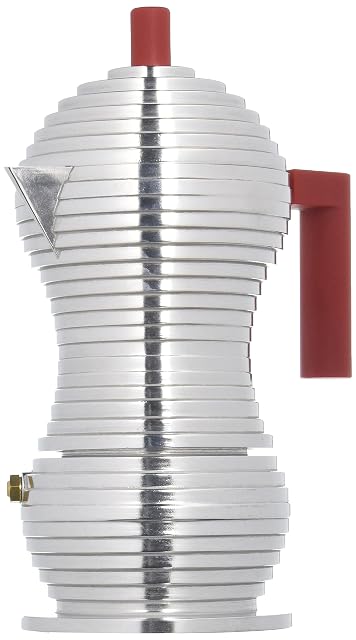
Alessi asked an engineer, not a stylist, to fix the moka pot. The internal profile interrupts the flow before the bitter steam phase arrives — which is the one thing a classic moka cannot do for you.
Best for: A moka drinker who will not reliably take the pot off the heat at the right moment.
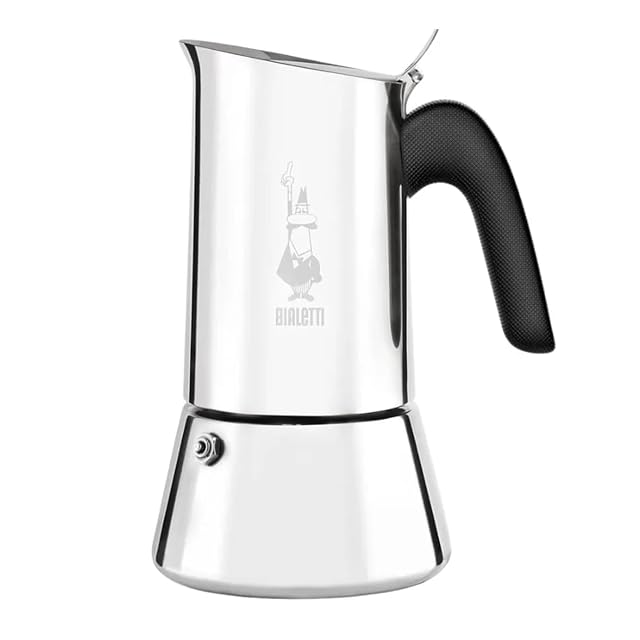
The stainless Bialetti that works on induction, which the aluminum Moka Express does not. Slower to heat, easier to clean, and it will outlive the classic.
Best for: Anyone with an induction cooktop, or who wants a moka pot that goes in the dishwasher.
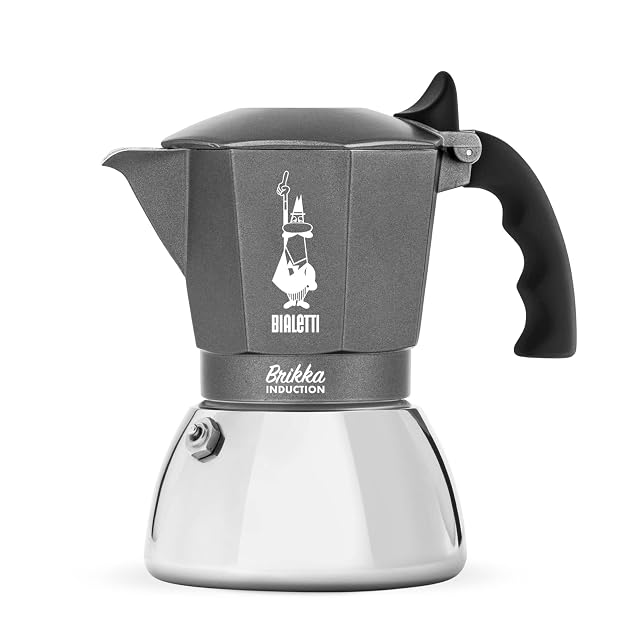
A weighted valve holds pressure back until it releases in one burst, which produces a genuine layer of crema. It is also fussier than a normal moka, and unforgiving if you fill it wrong.
Best for: A moka drinker who wants something closer to espresso and will follow the instructions.