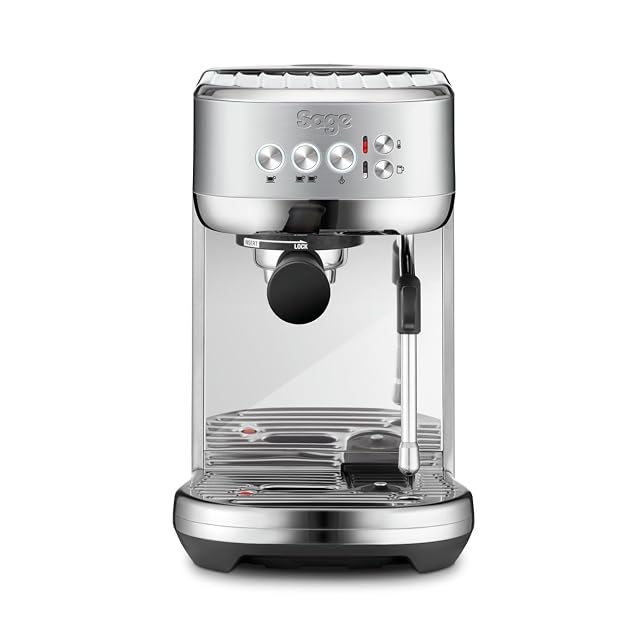
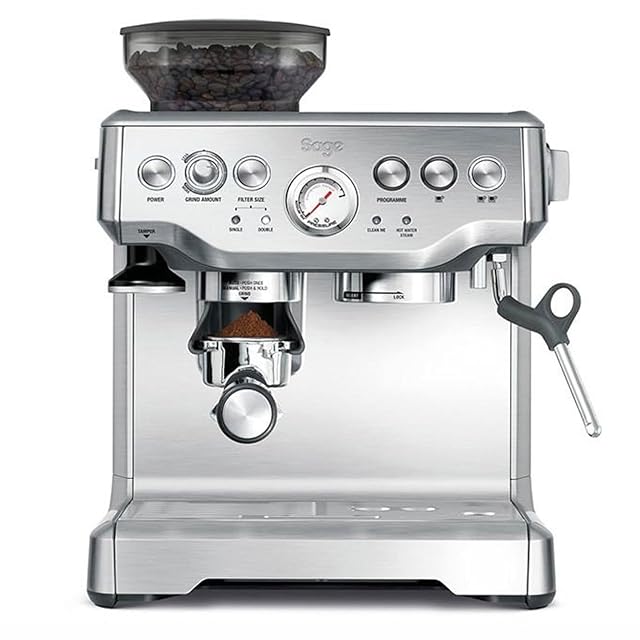
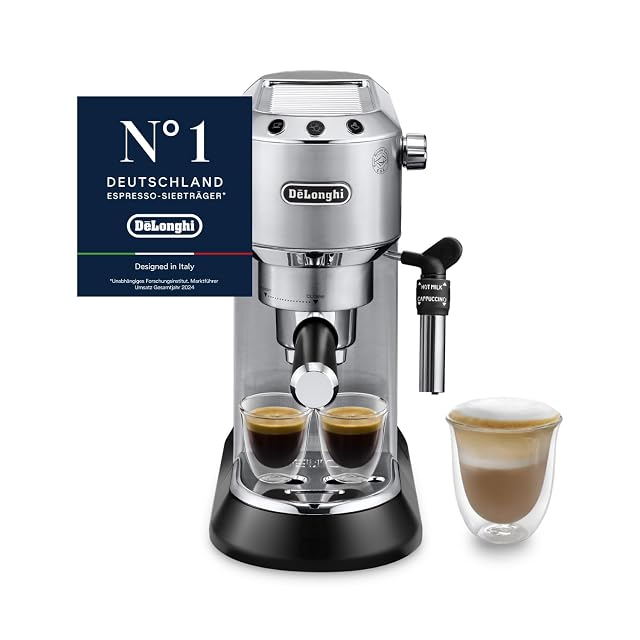
Where we land on it The cheapest way onto this shelf, and the listing with the least in it: a portafilter, two filters, a scoop that is also the tamper, and a stainless boiler. Everything above it publishes more, and most of it costs at least twice as much.
What the maker puts in writing
Boiler: stainless steel
Steam wand: manual
In the box: portafilter, measuring scoop and tamper, two filters
Three facts, and one of them is a list of what is in the box. This is the shortest specification on the shelf.
The bottom of the shelf, read honestly
Every machine above this one publishes something it does not: a pressure, a wattage, a portafilter diameter, a warranty, a heat-up time. Nine listings, and this is the one with the least in it.
That is worth knowing before buying, and it is not a reason not to. What this machine is for is answering a question — whether espresso at home is something you will keep doing — at the lowest price the shelf allows.
The boiler, which is its one unique line
Stainless steel boiler is engineered to last long and work for years.
No other listing on this shelf names what its boiler is made of. It is a durability claim and not a measurement, and it stands alone here because nobody else makes it.
Where this listing stops short
Everywhere a figure could be. Pressure, power, tank, portafilter, warranty: five blanks. The first bullet of the listing asks you to read the manual before first use, which is a fair summary of how much this page will tell you.
Availability
Read on the day this page was built: $150 at the American Amazon shop.
Read from Keepa on the day this page was last revised; stock and price both move without notice.
What it gets right, and wrong
Strengths
The lowest point of entry on this shelf by a wide margin, and the lightest machine here at 3,905 g (137.7 oz) as listed
Names the boiler material — stainless steel — which only this listing on the shelf does
Ships with both single and double filters and a combined scoop and tamper, so nothing else is needed to pull a first shot
A steam wand at this price, where the alternative at the bottom of most shelves is no milk at all
Compromises
The emptiest listing on this shelf: no pressure, no wattage, no tank, no portafilter size, no warranty
A scoop that doubles as the tamper is a compromise every machine above it avoids
No grinder and no published dose, so the whole front half of making espresso is left to you and whatever you buy next
Where this one stands among its neighbors
At $150, it is the 1 cheapest of the 7 models in this category published here.
Least costly of the neighbors$150
Median$500
Most costly of the neighbors$1000
Specifications
Type
Manual, no integrated grinder
Boiler
Stainless steel
Milk
Manual steam wand
In the box
Portafilter, measuring scoop and tamper in one, two filters for single or double
Pump pressure
Not stated by the maker
Portafilter diameter
Not stated by the maker
Water tank
Not stated by the maker
Power
Not stated by the maker
Warranty
Not stated by the maker
Weight (as listed)
3,905 g (137.7 oz)
Amazon reference
B08C96BG9H
EAN
0044387026000
What people want to know
What do I still need to buy?
A grinder, and in practice a tamper. The box includes a combined scoop and tamper, which works and is not what anyone keeps using. Nothing on this shelf is cheaper, so the honest total is this machine plus the entry grinder from the coffee grinder shelf.
How strong is the pump?
Not published. Two machines on this shelf give a figure and seven do not; this is one of the seven. At the bottom of a shelf, that absence is unremarkable — what is remarkable is that two machines at eight hundred dollars are also in that group.
Is a stainless boiler worth something?
It is the only boiler material published anywhere on this shelf, and the maker frames it as *engineered to last long and work for years*. That is a durability claim without a figure behind it, and no listing here offers one to compare it against.
Can I make a cappuccino?
The listing says the manual steam wand textures milk for lattes and cappuccinos. It is entirely hand-worked: four machines on this shelf do the milk for you, and the cheapest of those costs more than twice as much.
Compared with the neighboring coffee machines
These coffee machines share the category and the price bracket. Only what each one states is shown; an incomplete column would mislead.
Dual Froth: spinning whisk plus automatic steamer, 4 presets plus manual
Not stated by the maker
The difference between the models, in coffee machines
If price decides: this model, at $150.
Today’s price and availability, for coffee machines
Details checked on October 30, 2026.
This one and its buyer, among coffee machines
Finding out whether you actually want to make espresso, before spending what the rest of this shelf costs
What buyers actually choose
Amazon reports what buyers took in the month before this page was last checked: at least 2,000.
The figure is a floor, rounded by Amazon, and read through Keepa — it says what buyers picked, not what a maker claims.
Sources
Specifications: the manufacturer sheet for coffee equipment and the matching Amazon product page. Prices and availability: Keepa. Every figure on this page names its source.
54 mm (2.13 in) · automatic milk texturing · 3 s heat-up
Ready in three seconds, 7.5 inches wide, and it textures milk automatically to a temperature you choose. The one espresso machine that suits a small kitchen without pretending grind does not matter.
Best for: Someone who already owns a grinder, or is buying one, and has no space.
54 mm (2.13 in) portafilter · built-in conical burr · 2 L tank
Machine and grinder in one box, at a price that undercuts buying them separately. The compromises are real — 54 mm (2.13 in) basket, single boiler, a grinder you will outgrow — but nothing else takes a beginner this far this cheaply.
Best for: Your first portafilter machine, if you want one purchase rather than a project.
51 mm (2.01 in) portafilter · 15 cm (5.9 in) wide · pressurized baskets
About six inches wide, heats in forty seconds, and makes a decent drink at an entry price. It ships with pressurized baskets that fake crema from any grind — which is exactly why it works for beginners and why it stalls after a year.
Best for: A tiny kitchen, a first espresso machine, or a second machine for an office.