Skip to content

The best moka pots for 2026

The moka pot is the most-used coffee maker in Europe and the most consistently misused. We compare aluminium and stainless pots, induction compatibility and gasket quality — and cover exactly how to brew one that is sweet rather than scorched.

The models we recommend

  1. The original, still right

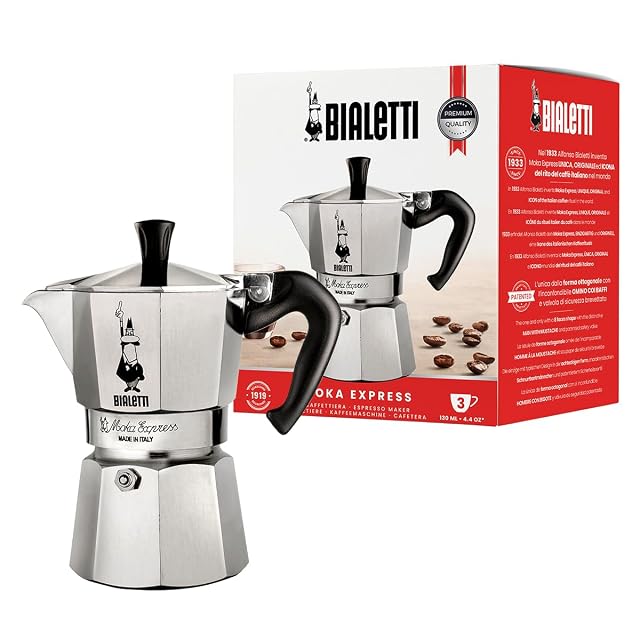
    Bialetti Moka Express 3-cup

    Aluminium · 130 ml · not induction

    Ninety years old, sold by the million, and misused by almost everyone who owns one. Brewed properly — low heat, pre-boiled water, off the hob at the first gurgle — it is one of the great cheap coffees.

    Best for: One or two strong cups on a gas or electric hob, at almost no cost.

    8.0/10

    ≈ $35 / £25 / 25 €

  2. The moka redesigned

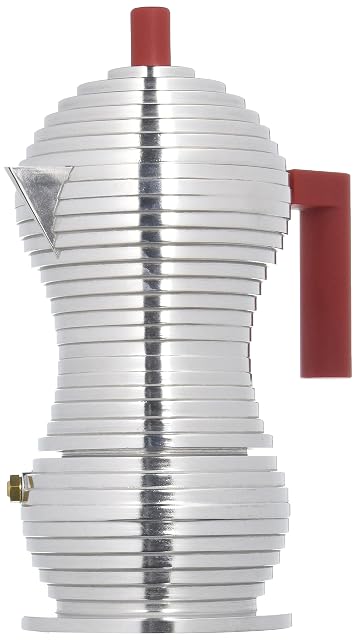
    Alessi Pulcina

    Aluminium · interrupted flow spout · 3 or 6 cups

    Alessi asked an engineer, not a stylist, to fix the moka pot. The internal profile interrupts the flow before the bitter steam phase arrives — which is the one thing a classic moka cannot do for you.

    Best for: A moka drinker who will not reliably take the pot off the hob at the right moment.

    8.1/10

    ≈ £60 / 65 €

  3. Best for induction hobs

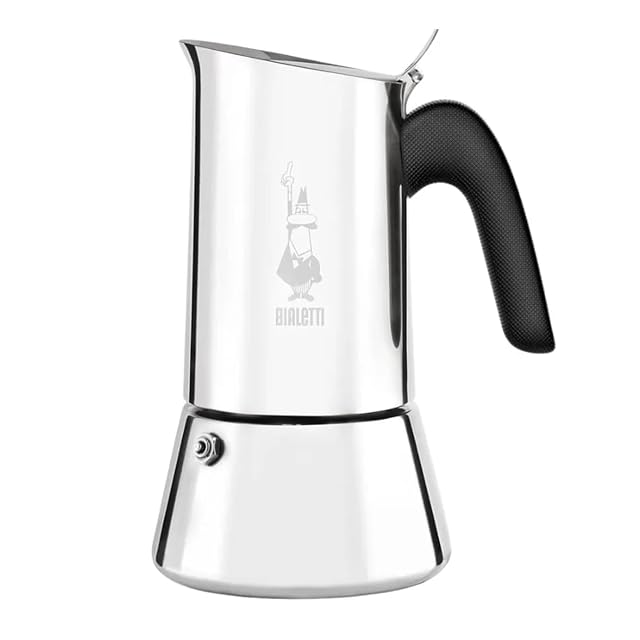
    Bialetti Venus Induction

    18/10 stainless · induction-ready · 4 or 6 cups

    The stainless Bialetti that works on induction, which the aluminium Moka Express does not. Slower to heat, easier to clean, and it will outlive the classic.

    Best for: Anyone with an induction hob, or who wants a moka pot that goes in the dishwasher.

    8.0/10

    ≈ $50 / £40 / 42 €

  4. Closest a moka gets to crema

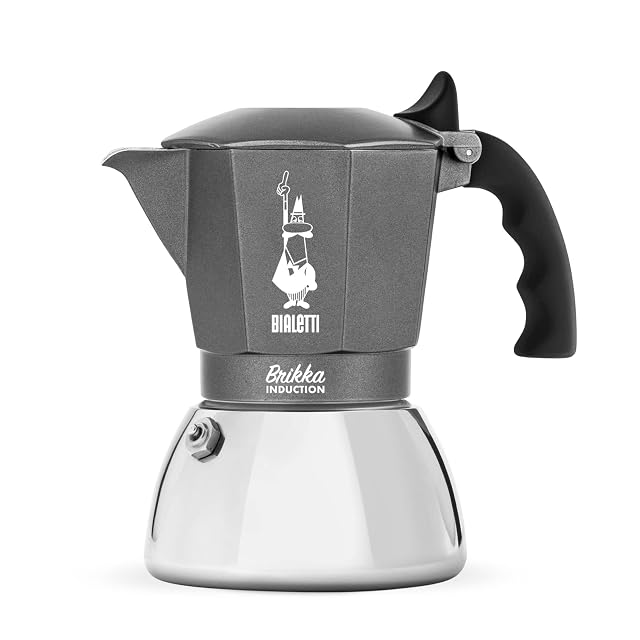
    Bialetti Brikka

    Pressure valve · induction-ready · 2 or 4 cups

    A weighted valve holds pressure back until it releases in one burst, which produces a genuine layer of crema. It is also fussier than a normal moka, and unforgiving if you fill it wrong.

    Best for: A moka drinker who wants something closer to espresso and will follow the instructions.

    7.8/10

    ≈ $60 / £45 / 48 €

Which one for which need

Serving the whole table

A moka pot is chosen by cup count, and it has to be filled to its nominal capacity to work properly.

Bialetti Venus Induction

A strong coffee for one

The smallest size in the aisle gives a concentrated coffee without waste, and an oversized pot half-filled extracts badly.

Bialetti Moka Express 3-cup

Who each type suits

Family habit
The simplest and most durable method there is: no electronics, no consumables, gaskets costing a couple of euros. A moka pot gets handed down.
Induction hob
Classic aluminium does not work on induction. You need a stainless model or an adapter disc, which also changes how it heats.
Camping and travel
A moka pot on a camping stove makes real coffee where nothing else works. The only consumable is the gasket, which you carry a spare of.

The trade-offs to weigh

Aluminium against stainless
Aluminium heats fast, costs less and develops a patina; stainless works on induction, washes more easily and takes longer to come up. The taste differs little once the pot is seasoned.
Capacity against flexibility
A large pot cannot make a small dose: the water-to-coffee ratio depends on nominal filling. Two sizes beat one large one.
Simplicity against control
Nothing to set, so nothing to ruin or improve beyond the grind, the flame and the moment you take it off the heat.

Questions buyers ask

What grind for a moka pot?

Medium-fine, coarser than for espresso. Too fine a grind blocks the filter and raises the pressure, which gives a burnt coffee.

Should I tamp the coffee?

No. The basket is filled level and smoothed with a finger. Tamping raises resistance and causes exactly the faults you are trying to avoid.

Should I put hot water in the base?

It is a widespread and useful practice: the water rises faster and the coffee spends less time over the heat, which reduces bitterness. Take care handling the base.

When should I take it off the heat?

As soon as the coffee starts to sputter and turn pale. The last drops are the most bitter, and that is where the difference is made.

Should I wash it with detergent?

On aluminium, no: a hot-water rinse is enough and preserves the patina. Stainless tolerates detergent without trouble.

How often should the gasket be changed?

Once a year in daily use, or as soon as it hardens and lets steam escape at the thread. It is the only wear part.

Is moka coffee espresso?

No. Pressure is around 1 to 2 bars against 9 for espresso. It is a concentrated coffee with its own identity, and no genuine crema.

What to remember

The moka pot is the most durable object in the coffee aisle and the least demanding: a medium-fine grind, an untamped basket, and taking it off the heat at the right moment. Choose capacity by your usual number of cups — it cannot make fewer.

This category at a glance

Every model compared

Only the specifications at least four models out of five state. A column that is more empty than full compares nothing.

ModelPriceInduction
Bialetti Moka Express 3-cup35 $No — see the Induction/Musa versions
Bialetti Venus Induction50 $Yes
Bialetti Brikka60 $Yes (current version)
Alessi Pulcina60 $No

Guides covering this category

Sources and method

Specifications: manufacturer sheets and Amazon product pages. Prices and availability: Keepa. No product on this site has been physically tested.

Most recent revision in this category: August 8, 2026.

How we assess products