A 48 mm burr set with external adjustment and 240 clicks, at a price where the competition offers 38 mm and internal dials. The finish is plainer than a Comandante; the grind is not far behind it.
The bottom line The value pick in hand grinders, and it is not close.
Hand grinders have compressed enormously in price over five years, and the K6 is where that compression currently lands: 48 mm burrs and 240 clicks of external adjustment for about ninety euros.
Both numbers matter. Larger burrs cut more coffee per revolution, so an eighteen-gram espresso dose takes noticeably fewer turns than on a 38 mm grinder — a real difference when you are standing there doing it. And 240 clicks across the range means espresso is properly dialable rather than approximated, which is where cheaper hand grinders fall down.
What you give up against a Comandante is refinement rather than capability. The crank is not as smooth under load, the tolerances are looser, the finish is plain, and the external dial is easy to nudge while it lives in a drawer. None of that changes the grind much.
The honest comparison is against an electric grinder at the same money, and the answer is the usual one: the K6 grinds better and the electric grinder does it while you do something else. One or two cups a day, buy this. Four cups before work, buy the motor.
What we like, and what we don't
Strengths
48 mm burrs — larger than almost anything at this price
External adjustment with 240 fine clicks; espresso is genuinely dialable
Grinds noticeably faster than 38 mm hand grinders
Compromises
Fit and finish are plainer than the premium brands
External dial can be knocked out of position in a bag
Heavier than a compact travel grinder
Where this one sits in its aisle
At 110 $, it is the 2 cheapest of the 6 models in this category published here.
Cheapest in the aisle80 $
Median340 $
Dearest in the aisle450 $
Specifications
Burr type
48 mm stainless steel
Adjustment
External, 240 clicks
Capacity
≈ 30 g
Range
Espresso and filter
Retention
Very low
Questions people actually ask
Why does burr size matter on a hand grinder?
Larger burrs cut more coffee per turn, so a dose takes fewer revolutions and less time — a 48 mm set is meaningfully faster than a 38 mm one. It also tends to produce a slightly narrower particle distribution, though the geometry matters more than the diameter alone.
External or internal adjustment?
External is faster to change and easy to knock; internal is fiddlier and stays put. If you switch between espresso and filter regularly, external saves real time. If the grinder lives in a bag, internal is safer.
Our score
8.3/ 10
The value pick in hand grinders, and it is not close.
Who this one is for
Espresso at home from a hand grinder, without paying Comandante money.
Compared with its closest rivals
Same category, nearest prices. Only the specifications every one of them states are shown — a half-empty column compares nothing.
If price decides: TIMEMORE Chestnut C3 ESP Pro, at 80 $.
Highest Burr type in the table: this model (48 mm stainless steel).
This model holds the table’s highest figure for Burr type.
If this one is not the right fit
On a tighter budget: TIMEMORE Chestnut C3 ESP Pro, at 80 $ in the same category. see the review
Price and availability
A reference exists on these Amazon stores: France, Germany, Italy, Spain, United Kingdom, United States. Listed is not the same as in stock — availability changes daily.
Details checked on August 8, 2026.
Sources
Specifications: manufacturer sheet and Amazon product page. Prices and availability: Keepa. No product on this site has been physically tested.
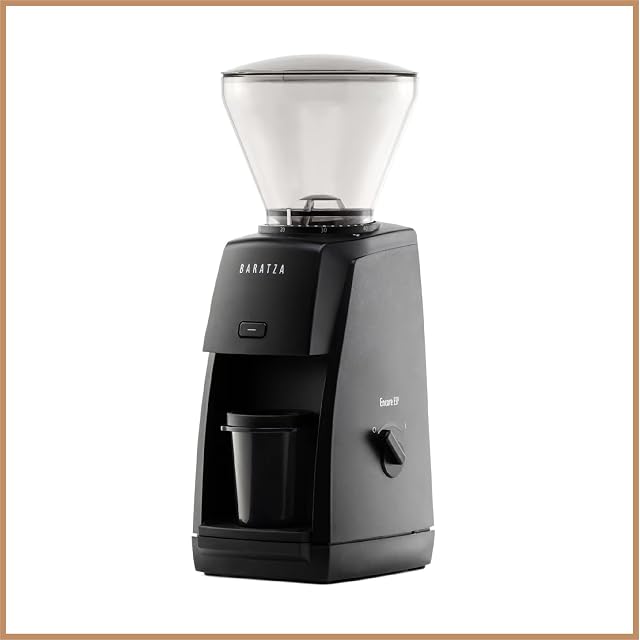
The cheapest electric grinder that genuinely does espresso and filter without being bad at both. Forty fine steps in the espresso range is the whole point — and Baratza will still sell you a burr set for it in ten years.
Best for: Anyone pairing a grinder with a Gaggia Classic, a Dedica upgrade, or a Barista Express they have outgrown.
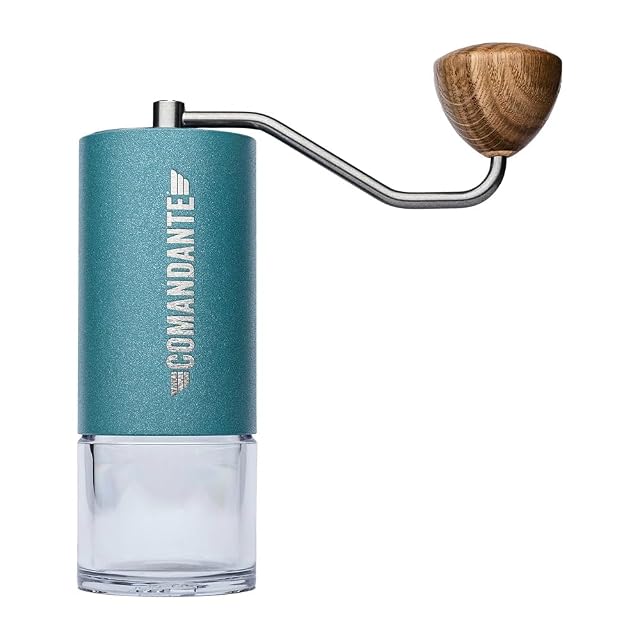
39 mm nitrogen-hardened burr · hand · filter & espresso
The hand grinder others are measured against, and priced accordingly. Grinds better than electric grinders at twice the money, and asks for your arm every single morning.
Best for: One or two exceptional cups a day, travel, and anyone who values the object.
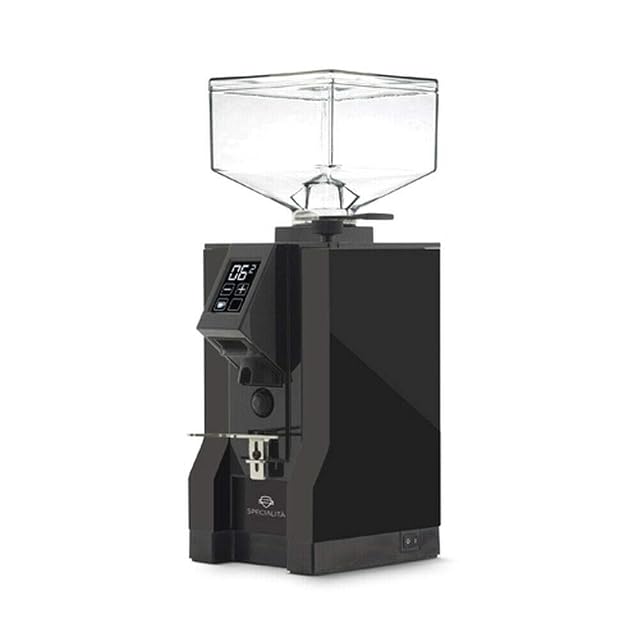
Stepless adjustment, 55 mm flat burrs and almost nothing left in the chute — the three things that separate a serious espresso grinder from a good one. It is quiet enough to use at six in the morning without an argument.
Best for: A Gaggia Classic, Lelit or Rancilio owner who has stopped blaming their technique.