The cheapest electric grinder that genuinely does espresso and filter without being bad at both. Twenty fine steps reserved for espresso are the whole point — and Baratza will still sell you a burr set for it in ten years.
Where we land on it The point where an espresso setup stops being frustrating.
There is a specific frustration that ends when you buy a grinder like this one. You have a capable espresso machine. Your shots come out sour and fast, so you grind finer — and the next click is far too fine, and the shot chokes. There is no setting between the two, so you stop trying and accept mediocre coffee. That is not your technique. That is a grinder with three usable steps in the range where espresso lives.
The Encore ESP gives that range twenty steps of its own — settings 1 to 20 — each much smaller than a filter step. The practical effect is that the adjustment finally behaves like a control: one click makes a small, predictable difference, and you can walk a shot to where you want it in three attempts rather than giving up. That is the entire product, and it is worth the money.
It manages filter too, on settings 21 to 40, and does it well enough that you do not need a second grinder for a V60 at the weekend. Grinders that span both ranges usually compromise one; this one is honest at both without being outstanding at either.
Baratza’s other argument is the one that shows up in year six. The company documents and sells every part, burrs included, and publishes the repair guides. Grinders wear — burrs dull, adjustment collars stiffen — and most manufacturers answer that with a new grinder. This one you take apart on the kitchen table with a screwdriver.
The weaknesses are the honest ones for the price: it retains about a gram, it is not fast, and it is made of plastic that sounds like plastic. None of that changes what it does to your espresso.
What it gets right, and wrong
Strengths
Settings 1 to 20 are closely spaced for espresso — you can actually dial a shot
Genuinely usable for filter too, which most espresso grinders are not
Baratza stocks and ships every internal part, including burrs
Simple, serviceable, and repairable by the owner
Compromises
Retention of roughly a gram means single-dosing needs a bellows or a tap
Stepped adjustment: occasionally the shot you want sits between two clicks
Slower than commercial-style grinders, around 1.5 g (0.1 oz) per second
Plastic body looks and sounds its price
Specifications
Burr type
40 mm (1.57 in) conical, hardened steel
Settings
40 in total
Espresso range
Settings 1–20, fine steps
Filter range
Settings 21–40
Grind speed
≈ 1.5 g (0.1 oz)/s
Retention
≈ 1 g (0.04 oz)
Hopper
227 g (8 oz)
What people want to know
How is this different from the standard Encore?
The burr geometry and the adjustment ring. The original Encore is an excellent filter grinder that technically reaches espresso and cannot fine-tune there. The ESP has 40 settings and gives the first 20 to espresso in much finer steps, which is the difference between adjusting a shot and guessing at it.
Is a gram of retention a problem?
Only if you single-dose — weighing in exactly what you want to brew. Then yesterday's gram comes out first and today's stays behind. A puff from a bellows or a firm tap on the chute clears most of it. If you fill the hopper and grind on demand, retention is irrelevant.
Should I buy this or a hand grinder for the same money?
A good hand grinder at this price out-grinds it on pure consistency. It also asks for a minute of effort per dose. Buy the hand grinder if you make one or two coffees and enjoy the ritual; buy this if you make four before anyone in the house is properly awake.
Our score
8.7/ 10
The point where an espresso setup stops being frustrating.
Today’s price and availability, for coffee machines
A reference exists on these Amazon stores: France, Germany, Italy, Spain, United Kingdom, United States. Listed is not the same as in stock — availability changes daily.
Details checked on October 30, 2026.
This one and its buyer, among coffee machines
Anyone pairing a grinder with a Gaggia Classic, a Dedica upgrade, or a Barista Express they have outgrown.
Amazon reports what buyers took in the month before this page was last checked: at least 1,000.
The figure is a floor, rounded by Amazon, and read through Keepa — it says what buyers picked, not what a maker claims.
Sources
Specifications: the manufacturer sheet for coffee equipment and the matching Amazon product page. Prices and availability: Keepa. Every figure on this page names its source.
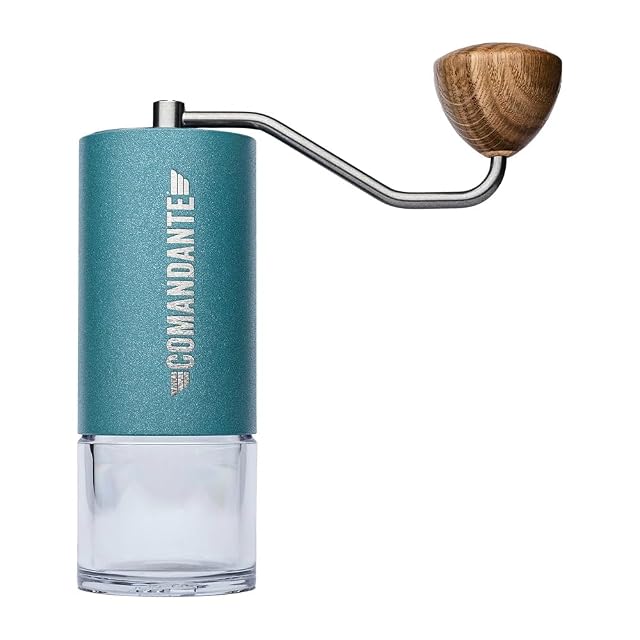
39 mm (1.54 in) nitrogen-hardened burr · hand · filter & espresso
The hand grinder others are measured against, and priced accordingly. Grinds better than electric grinders at twice the money, and asks for your arm every single morning.
Best for: One or two exceptional cups a day, travel, and anyone who values the object.
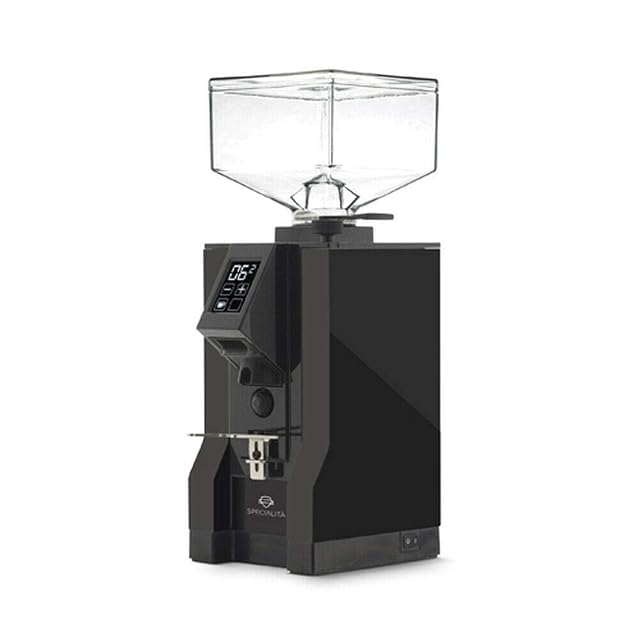
Stepless adjustment, 55 mm (2.17 in) flat burrs and almost nothing left in the chute — the three things that separate a serious espresso grinder from a good one. It is quiet enough to use at six in the morning without an argument.
Best for: A Gaggia Classic, Lelit or Rancilio owner who has stopped blaming their technique.
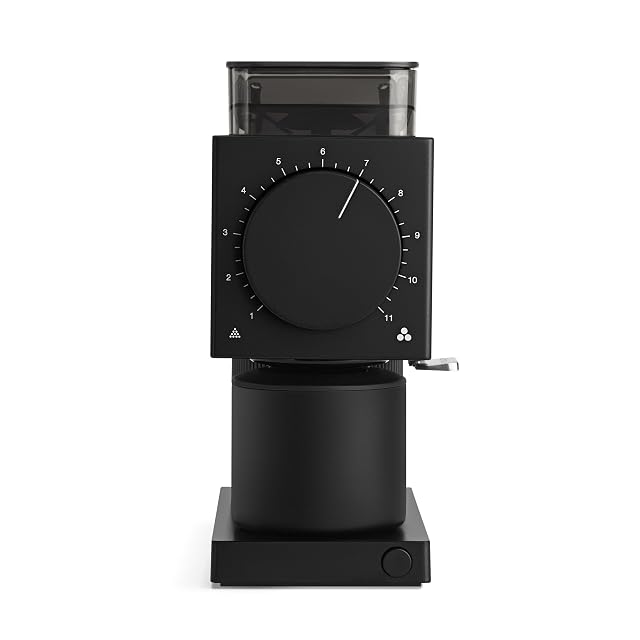
64 mm (2.52 in) flat burr · filter only · single dose
64 mm (2.52 in) flat burrs, near-zero retention and a footprint the size of a mug, built for filter and honest about not doing espresso. For pour-over it is the clearest grind you can buy at this price.
Best for: V60, Chemex, AeroPress and batch brewing, where clarity is the whole point.