Stepless adjustment, 55 mm flat burrs and almost nothing left in the chute — the three things that separate a serious espresso grinder from a good one. It is quiet enough to use at six in the morning without an argument.
The bottom line The grinder that ends the search, if espresso is what you make.
Most people arrive at the Specialita from the same place: a good espresso machine, a mid grinder, and shots that are inconsistent for reasons nobody can name. Sometimes it runs fast and sour, sometimes it chokes, and the only variable that changed was the day. That is a grinder that cannot hold a setting or resolve one finely enough, and no amount of tamping technique fixes it.
Three things here address that directly. The adjustment is stepless — a threaded collar with infinite positions instead of clicks, so the setting you want always exists. The burrs are 55 mm flats, large for a home grinder, and they produce a narrower spread of particle sizes than conical burrs at this price, which in the cup means clarity: you get the notes separately rather than blended. And retention is low enough that single-dosing works without a bellows and a ritual.
The Silent Technology name is doing real work too. It genuinely is quiet — a low whirr rather than the shriek most grinders make — which sounds like a luxury until you have a sleeping household and a 6 a.m. shift.
Two caveats worth having before you spend the money. Stepless adjustment has no numbers, so returning to a known setting means marking the collar yourself; everyone does it and nobody mentions it. And the built-in timer doses by seconds, not grams, which drifts as your beans dry out over a fortnight. Weigh the dose. A twenty-euro scale protects a four-hundred-euro purchase.
For filter coffee, look elsewhere: the range exists but it is not what this is for. For espresso, this is the point at which the equipment stops being the limitation.
What we like, and what we don't
Strengths
Stepless micrometric adjustment — infinite positions, not clicks
55 mm flat burrs give clarity that conical burrs at this price do not
Very low retention; single-dosing works without ceremony
Silent Technology is not marketing — it is genuinely quiet
Compromises
Overkill for anything but espresso; the filter range is an afterthought
Stepless means no repeatable numbers — you mark the collar yourself
Timer-based dosing drifts as beans age; a scale is not optional
Costs as much as a decent espresso machine
Where this one sits in its aisle
At 450 $, it is the 6 cheapest of the 6 models in this category published here.
Cheapest in the aisle80 $
Median340 $
Dearest in the aisle450 $
Specifications
Burr type
55 mm flat, hardened steel
Adjustment
Stepless micrometric
Dosing
Timed, two programmable
Grind speed
≈ 2 g/s
Retention
Very low
Hopper
300 g
Questions people actually ask
Flat or conical burrs — which should I want?
Neither is better in general. Flat burrs, like these, produce a narrower particle distribution, which reads in the cup as clarity and separation — you taste the individual notes. Conical burrs give a rounder, heavier, more forgiving shot. If you buy light-roast single origins, flat. If you drink dark roast with milk, the difference stops mattering.
Is stepless adjustment actually better than steps?
For espresso, yes — you are never stuck between two settings. It costs you repeatability, since there are no numbers to return to. Owners mark the collar with a pen or a strip of tape. Trivial in practice, but nobody mentions it before you buy.
Why do I still need a scale if it doses by time?
Because timed dosing measures seconds, not grams. As beans age and dry they flow differently, so the same three seconds delivers a different dose in week three than in week one. Weighing the dose is the cheapest consistency you will ever buy.
Our score
9.0/ 10
The grinder that ends the search, if espresso is what you make.
Who this one is for
A Gaggia Classic, Lelit or Rancilio owner who has stopped blaming their technique.
Compared with its closest rivals
Same category, nearest prices. Only the specifications every one of them states are shown — a half-empty column compares nothing.
A reference exists on these Amazon stores: France, Germany, Italy, Spain, United Kingdom, United States. Listed is not the same as in stock — availability changes daily.
Details checked on August 8, 2026.
Sources
Specifications: manufacturer sheet and Amazon product page. Prices and availability: Keepa. No product on this site has been physically tested.
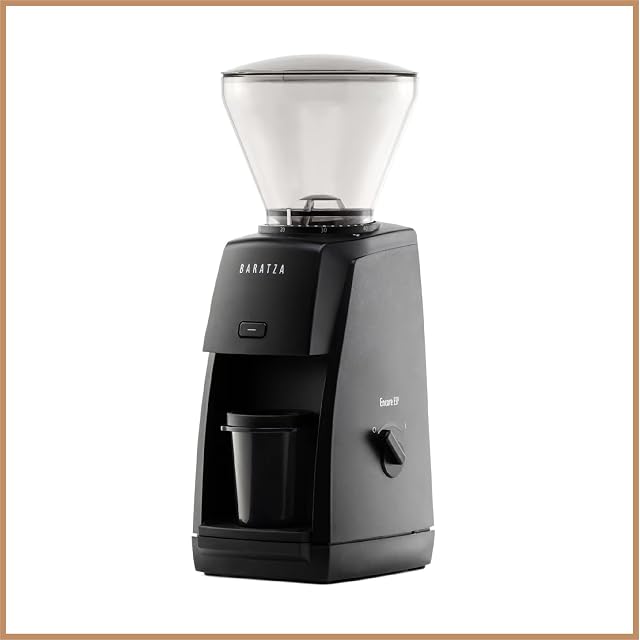
The cheapest electric grinder that genuinely does espresso and filter without being bad at both. Forty fine steps in the espresso range is the whole point — and Baratza will still sell you a burr set for it in ten years.
Best for: Anyone pairing a grinder with a Gaggia Classic, a Dedica upgrade, or a Barista Express they have outgrown.
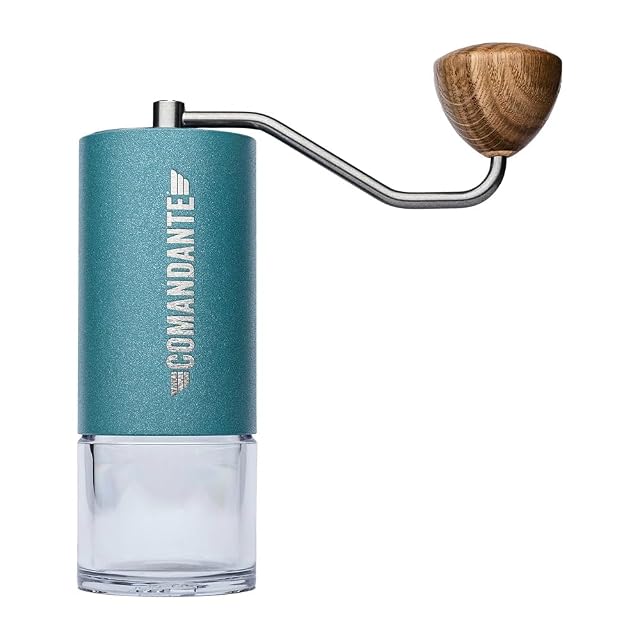
39 mm nitrogen-hardened burr · hand · filter & espresso
The hand grinder others are measured against, and priced accordingly. Grinds better than electric grinders at twice the money, and asks for your arm every single morning.
Best for: One or two exceptional cups a day, travel, and anyone who values the object.
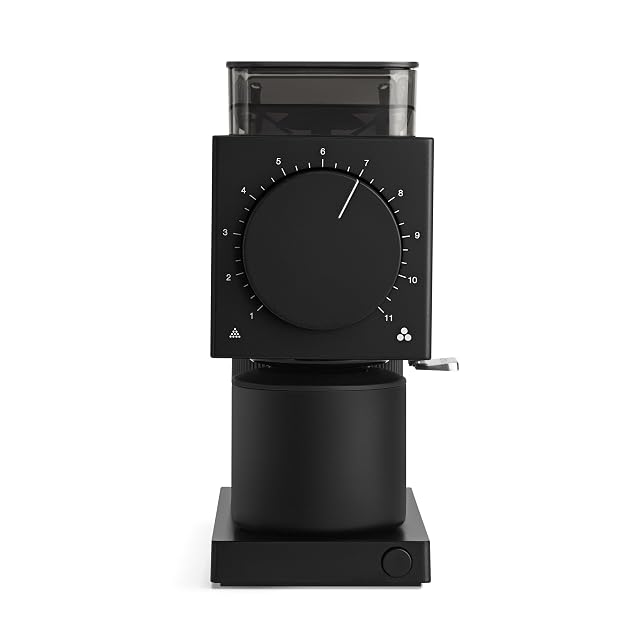
64 mm flat burrs, near-zero retention and a footprint the size of a mug, built for filter and honest about not doing espresso. For pour-over it is the clearest grind you can buy at this price.
Best for: V60, Chemex, AeroPress and batch brewing, where clarity is the whole point.