Where we land on it The only listing on this shelf that explains why its cone is shaped the way it is: spiral ribs for expansion, a single large hole so the pour speed controls the taste. It also publishes the cup range for all three sizes.
What the maker puts in writing
Cone shape, for floral and fruit notes
Spiral ribs for maximum coffee expansion
Single large hole: taste changes with pour speed
Size 01: 1–2 cups · 02: 1–4 · 03: 1–6
Designed and manufactured in Japan
It tells you what the shape is for
Nine listings on this shelf. Eight describe a cone and leave it at that, or claim a flavor without a mechanism.
This one connects three pieces of geometry to three outcomes: the cone to the flavor notes, the ribs to the expansion, the hole to your control over the pour. Whether you agree with the flavor claim, the explanation is checkable against what the thing physically does.
Pour speed is the control
That is the real difference between this and the three-hole ceramic drippers lower down the shelf. A big hole does nothing to slow the water; the ceramics restrict it for you.
One suits a brewer who wants to learn. The other suits one who does not.
Availability
Read on the day this page was built: $35 at the American Amazon shop.
Read from Keepa on the day this page was last revised; stock and price both move without notice.
What it gets right, and wrong
Strengths
The only listing on this shelf that explains what its geometry does: spiral ribs, a single large hole, and pour speed as the control
Publishes the cup range for every size in the family, which is the figure five brewers here leave unstated
Metal rather than glass or ceramic, so it survives being packed
Compromises
No filters included, where two cheaper brewers on this shelf ship a starter supply
Paper only: three brewers on this shelf never need any
No capacity in ounces, only in cups, and the listing does not define a cup
Where this one stands among its neighbors
At $35, it is the 7 cheapest of the 7 models in this category published here.
Least costly of the neighbors$9
Median$20
Most costly of the neighbors$35
Specifications
Type
Cone dripper, metal
Sizes
01 for 1–2 cups, 02 for 1–4 cups, 03 for 1–6 cups
Ribs
Spiral, for maximum coffee expansion
Outlet
Single large hole — taste changes with the speed of the pour
Shape
Cone, stated to accentuate floral and fruit notes
Origin
Designed and manufactured in Japan
Filters
V60 paper; none included
Permanent filter
No — paper required
Amazon reference
B0BWH5N65J
EAN
4977642736702
What people want to know
What does a single large hole do?
It hands control to you. With a big outlet the water leaves as fast as you pour it in, so the contact time is set by your hand rather than by the cone. The maker says it plainly: taste changes according to the speed of water flow. The ceramic drippers on this shelf use three small holes instead, which fixes the rate.
Why spiral ribs?
They hold the paper off the cone wall so the coffee bed can swell and the air can escape. The listing calls it maximum coffee expansion. It is the only rib geometry described anywhere on this shelf.
Which size should I buy?
The listing gives all three: 01 for one to two cups, 02 for one to four, 03 for one to six. This is the 02. No other brewer on this shelf publishes its family range.
Today’s price and availability, for coffee machines
Details checked on October 30, 2026.
This one and its buyer, among coffee machines
Someone learning pour-over who wants the pour itself to be the variable
What buyers actually choose
Amazon reports what buyers took in the month before this page was last checked: at least 500.
The figure is a floor, rounded by Amazon, and read through Keepa — it says what buyers picked, not what a maker claims.
Sources
Specifications: the manufacturer sheet for coffee equipment and the matching Amazon product page. Prices and availability: Keepa. Every figure on this page names its source.
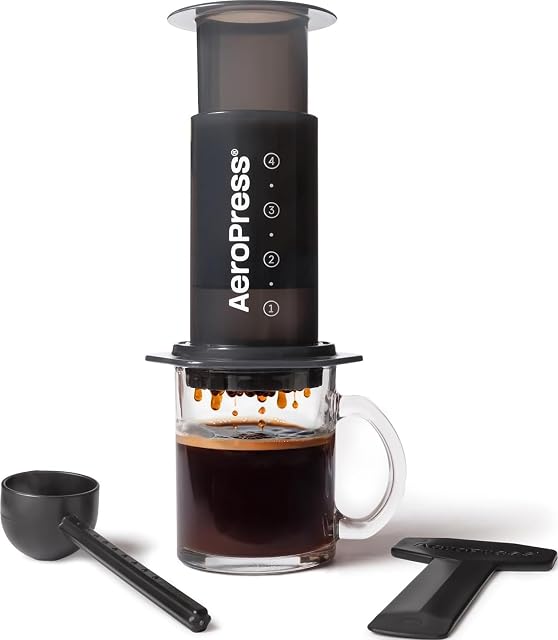
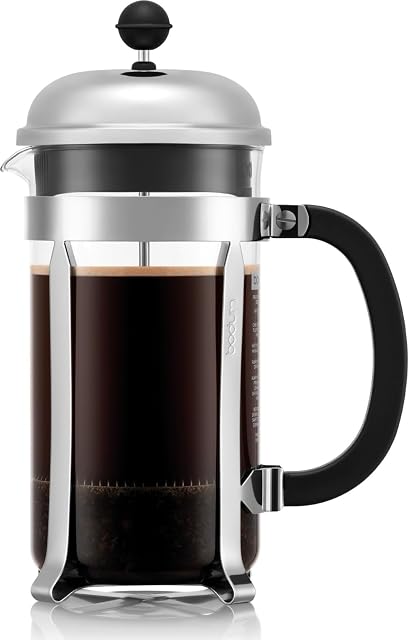
The one brewer that makes a good cup while you are still learning. Immersion means time does the work instead of your pour — so a mediocre grinder and an ordinary kettle still produce something you want to drink.
Best for: Your first real brewer, an office drawer, or anywhere a V60 would be a nuisance.
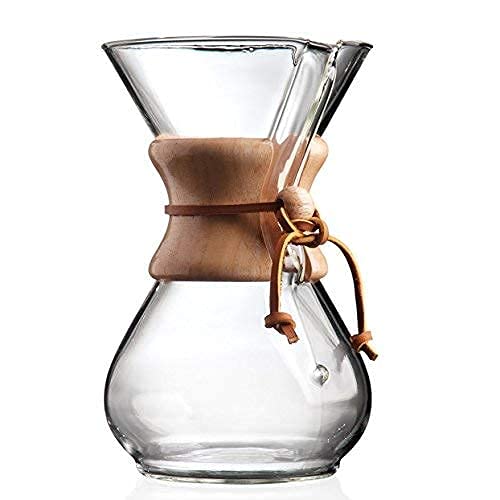
The thickest filter paper in coffee, which strips out oils and fines and leaves a cup like tea. Divisive by design — you will either love the clarity or find it hollow.
Best for: Light-roast single origins where you want acidity and florals, not body.