Skip to content

The best coffee grinders for 2026

The grinder is the single most important thing you will buy, and the one most people buy last. We compare flat and conical burrs, electric and hand grinders, on the two measures that matter: grind consistency and retention — how much of yesterday's coffee ends up in today's cup.

The models we recommend

  1. Best value grinder, full stop

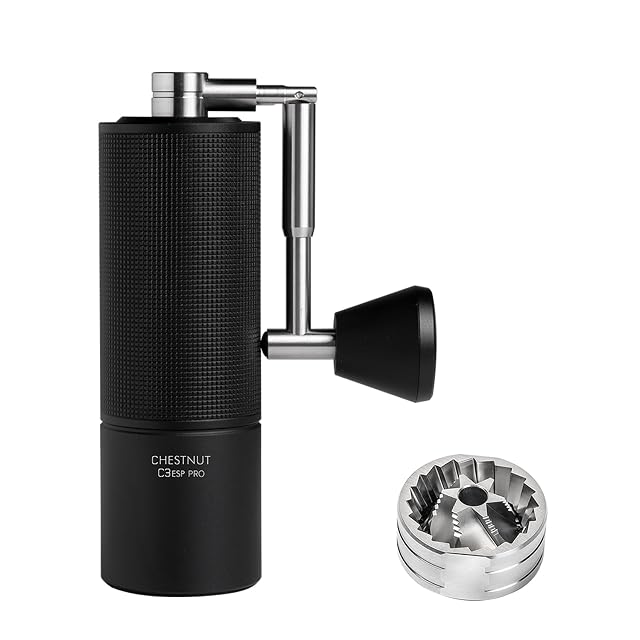
    TIMEMORE Chestnut C3 ESP Pro

    38 mm stainless burr · hand · espresso-capable

    Out-grinds electric grinders costing three times as much, provided you accept the arm. The ESP burr reaches espresso fineness with real adjustment — which is not true of most hand grinders at any price.

    Best for: One or two coffees a day, or a travel grinder that does not compromise.

    8.4/10

    ≈ $80 / £70 / 75 €

  2. Most grinder per euro

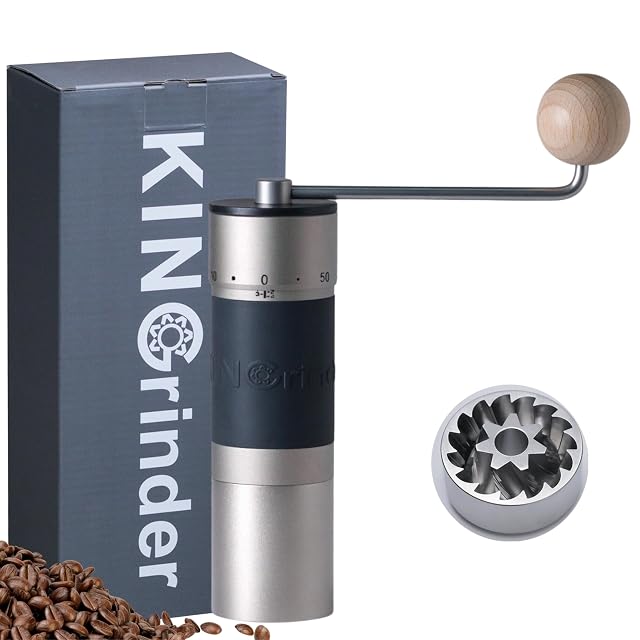
    Kingrinder K6

    48 mm burr · hand · external adjustment

    A 48 mm burr set with external adjustment and 240 clicks, at a price where the competition offers 38 mm and internal dials. The finish is plainer than a Comandante; the grind is not far behind it.

    Best for: Espresso at home from a hand grinder, without paying Comandante money.

    8.3/10

    ≈ $110 / £90 / 95 €

  3. Best first espresso grinder

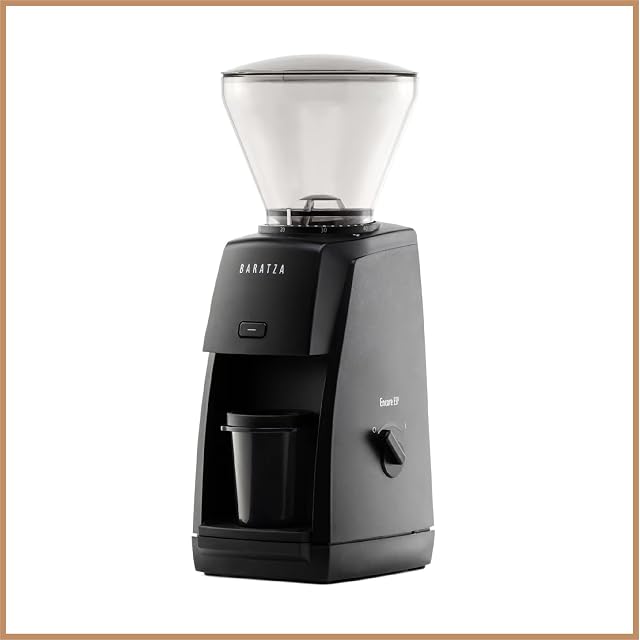
    Baratza Encore ESP

    40 mm conical · 40 espresso steps + 20 filter

    The cheapest electric grinder that genuinely does espresso and filter without being bad at both. Forty fine steps in the espresso range is the whole point — and Baratza will still sell you a burr set for it in ten years.

    Best for: Anyone pairing a grinder with a Gaggia Classic, a Dedica upgrade, or a Barista Express they have outgrown.

    8.7/10

    ≈ $200 / £190 / 220 €

  4. Best home espresso grinder

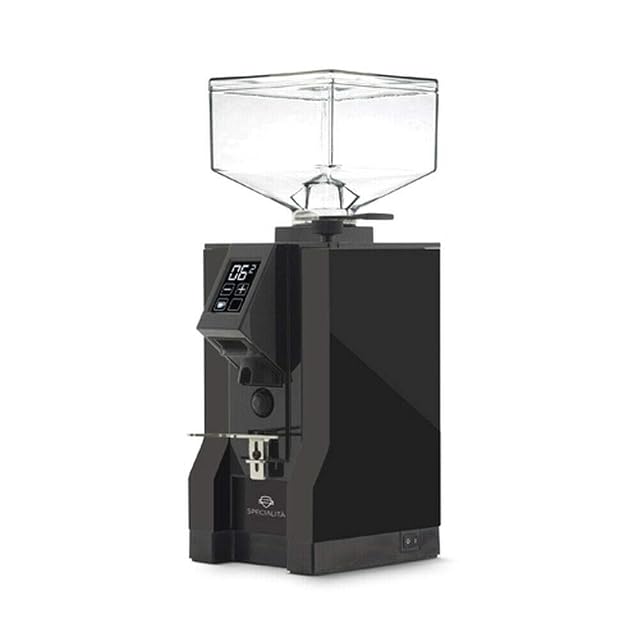
    Eureka Mignon Specialita

    55 mm flat burr · stepless · near-zero retention

    Stepless adjustment, 55 mm flat burrs and almost nothing left in the chute — the three things that separate a serious espresso grinder from a good one. It is quiet enough to use at six in the morning without an argument.

    Best for: A Gaggia Classic, Lelit or Rancilio owner who has stopped blaming their technique.

    9.0/10

    ≈ $450 / £380 / 400 €

  5. Best hand grinder

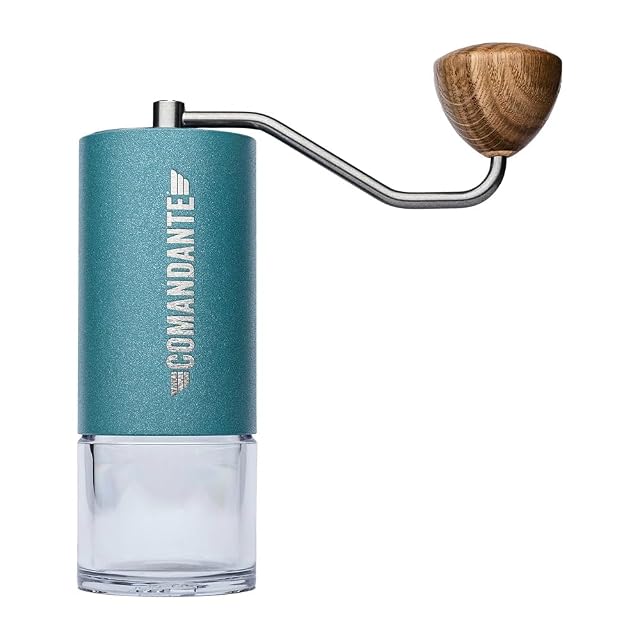
    Comandante C40 MK4 Nitro Blade

    39 mm nitrogen-hardened burr · hand · filter & espresso

    The hand grinder others are measured against, and priced accordingly. Grinds better than electric grinders at twice the money, and asks for your arm every single morning.

    Best for: One or two exceptional cups a day, travel, and anyone who values the object.

    8.8/10

    ≈ $340 / £270 / 290 €

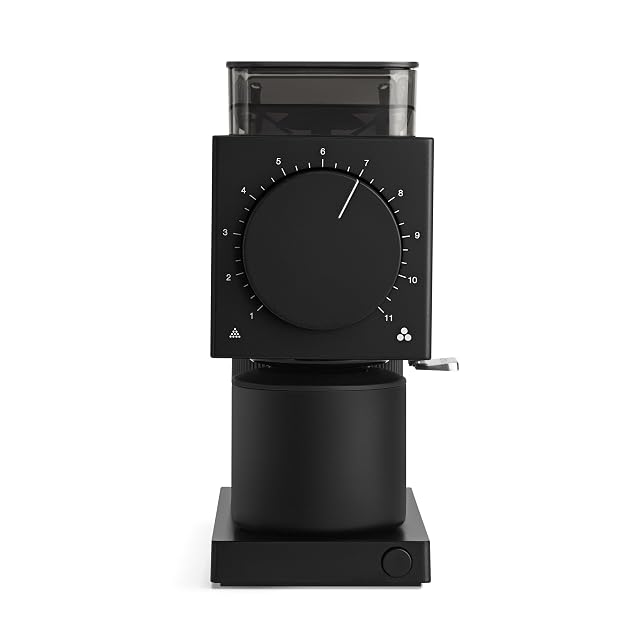
  6. Best filter grinder

    Fellow Ode Brew Grinder Gen 2

    64 mm flat burr · filter only · single dose

    64 mm flat burrs, near-zero retention and a footprint the size of a mug, built for filter and honest about not doing espresso. For pour-over it is the clearest grind you can buy at this price.

    Best for: V60, Chemex, AeroPress and batch brewing, where clarity is the whole point.

    8.7/10

    ≈ $345 / £275 / 300 €

Which one for which need

Grinding for espresso

The burr type decides how even the grind is, and it is evenness that makes an extraction repeatable from one day to the next.

Fellow Ode Brew Grinder Gen 2

Grinding for several methods

Moving from espresso to filter demands a wide adjustment range and a hopper you can empty easily between two different coffees.

Comandante C40 MK4 Nitro Blade

A first grinder

Even the most affordable burr model beats a blade grinder. It is the entry point that changes the cup most for the least money.

TIMEMORE Chestnut C3 ESP Pro

Who each type suits

Espresso only
What matters is fineness of adjustment inside the espresso zone, not total range. A stepless grinder, or one with very tight steps, beats a versatile one.
Filter and manual brewing
The useful range is coarser and far more forgiving. A decent grinder is plenty, and evenness matters more than fineness.
Travelling or tight on space
A hand grinder often gives an excellent grind for no footprint, at the cost of one to two minutes of arm work per cup. Beyond two coffees a morning, electric wins.

The trade-offs to weigh

Conical burrs against flat burrs
Conicals run cooler and give a slightly broader distribution; flats are more even and cost more at equal quality. The difference in the cup is real but far smaller than the one between burrs and blades.
Hopper against freshness
A large hopper saves reloading and leaves coffee oxidising in the air. For home use, filling the day's amount gives a better result than a permanently full hopper.
Stepless against stepped
Stepless lets you hit the exact point and makes going back approximate. Steps are repeatable and sometimes too far apart for espresso.

Questions buyers ask

Burrs or blades?

Burrs, without hesitation. A blade grinder shatters the bean into wildly uneven pieces: water runs past the big ones and over-extracts the fines, giving a coffee that is sour and bitter at once.

Is a hand grinder as good as an electric one?

In grind quality, often yes at equal budget, sometimes better. In convenience, no: expect one to two minutes of effort per cup, which quickly discourages beyond a single coffee.

Do I need a different grinder for espresso?

Not necessarily different, but able to go fine enough with tight steps. Many versatile grinders stop just above the zone espresso needs.

How often should burrs be cleaned?

A brush-out every two to three weeks, a full clean once or twice a year. Oils go rancid and give a stale-coffee taste nobody blames on the grinder.

Does the grinder heat the coffee?

A little, flat burrs especially on long grinds. In home use the effect on the cup is marginal compared with grind evenness.

How long do burrs last?

Several hundred kilos of coffee in home use, meaning years. A grind that has turned uneven with no change of setting is the sign they are dulling.

Can I grind anything else?

No. Spices, sugar and cereals clog or damage burrs, and some smells never fully leave.

What to remember

The grinder is the best investment in the coffee aisle, ahead of the machine. Burrs are non-negotiable, adjustment fine enough for your method, and regular cleaning — the rest, conical or flat, is argued over by enthusiasts and barely noticed in the cup.

This category at a glance

Every model compared

Only the specifications at least four models out of five state. A column that is more empty than full compares nothing.

ModelPriceBurr typeRetention
TIMEMORE Chestnut C3 ESP Pro80 $38 mm stainless steel, ESP profileNear zero
Kingrinder K6110 $48 mm stainless steelVery low
Baratza Encore ESP200 $40 mm conical, hardened steel≈ 1 g
Comandante C40 MK4 Nitro Blade340 $39 mm nitrogen-hardened steelNear zero
Fellow Ode Brew Grinder Gen 2345 $64 mm flatNear zero
Eureka Mignon Specialita450 $55 mm flat, hardened steelVery low

What each budget buys here

Lower range

80 – 110 $

2 models

Kingrinder K6

Mid range

200 – 340 $

2 models

Comandante C40 MK4 Nitro Blade

Upper range

345 – 450 $

2 models

Eureka Mignon Specialita

Guides covering this category

Sources and method

Specifications: manufacturer sheets and Amazon product pages. Prices and availability: Keepa. No product on this site has been physically tested.

Most recent revision in this category: August 8, 2026.

How we assess products