Skip to content

The espresso accessories actually worth buying

Ranked strictly by improvement per dollar. The cheapest item here changes more shots than anything else on this site, and two of the others are refinements you should buy afterwards.

Espresso accessories are where enthusiasm outruns evidence, so this guide is ordered strictly by how much each item improves the shot per dollar spent — not by how satisfying it is to own.

The pattern is consistent and slightly deflating for anyone who enjoys shopping: the cheapest thing here fixes the biggest problem, and the expensive machined objects are refinements that assume the cheap thing is already in use.

Which machine makes your cup?

You are starting out
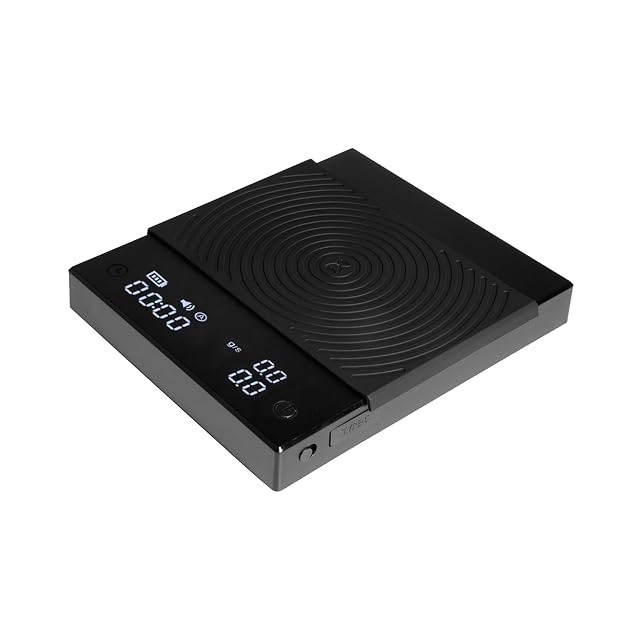
A scale before anything: without a weighed dose nothing is repeatable and no other accessory helps.
Your shots are inconsistent
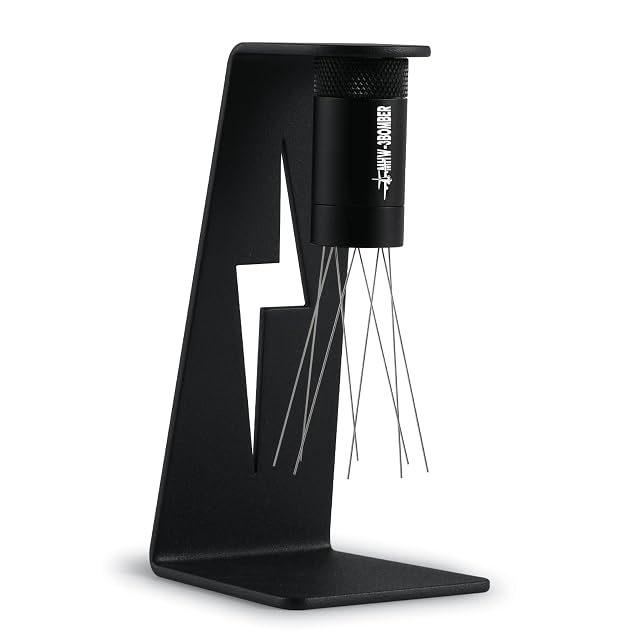
A distribution tool — the WDT — fixes channeling, which is the commonest cause of inconsistency.
Your tamping is uneven
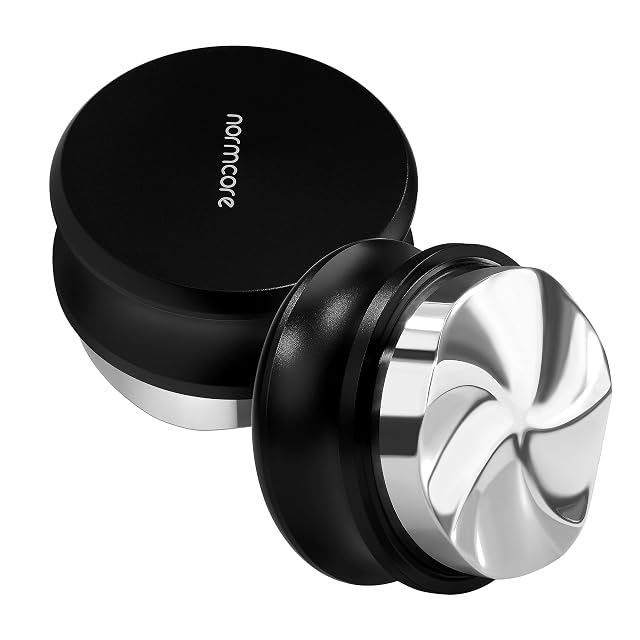
A tamper of the right diameter, rather than a calibrated one: diameter matters more than force.
You want convenience
Dosing funnel, mat, a pitcher that fits: these are accessories of gesture, not of taste. They come later.

Picking by the coffee you drink

Making shots repeatable

Scale, weighed dose, recorded grind. That is the base from which everything else becomes legible.

Fixing channeling

Water carves a path through an unevenly filled basket and runs out too fast. The WDT fixes that more effectively, for less money, than anything else.

Improving technique

Funnel, tamping mat, brush: they do not change the coffee but they remove chances to get it wrong.

Milk

A pitcher matched to the volume and a thermometer are enough to progress on foam, well before any expensive accessory.

The things that change the result

Diameter, before brand
A tamper or basket of the wrong diameter leaves a ring of untamped coffee where water rushes. It is the first thing to check and the most often overlooked.
Whether the fault is real
Each accessory corrects a specific fault. Buying before identifying the fault means collecting tools without improving the cup.
Ease of cleaning
An accessory that is awkward to clean ends up in a drawer. The best accessory is the one you use every day.
Price against effect
A distribution tool costs little and changes a lot; a high-end tamper costs a lot and changes little. The order of purchase matters as much as the choice.

Which figure for which cup

The faultThe accessory that fixes itWhat will not fix it
Variable doseA scaleA heavier tamper
Uneven flowA distribution toolTamping harder
Coffee spilled while dosingA dosing funnelA bigger basket
Uneven milk foamA pitcher that fits, a thermometerA coffee accessory

The usual mistakes

Buying before identifying the problem
Accessories fix specific faults. Without knowing which one you have, the purchase is a gamble, and usually a lost one.
Believing in an ideal tamping pressure
What counts is consistency, not the number. A steady light tamp beats a variable heavy one.
Duplicating tools that do the same job
A distributor and a distribution tool address the same fault by two routes. Owning both adds nothing.
Overlooking the basket
It is the cheapest part and one of the most decisive. A quality basket, of the right diameter and capacity, changes extraction more than most accessories.

By the drinker you are

The beginner
A scale, then a distribution tool. Two modest purchases that cover most of the inconsistency.
The one who has plateaued
A better basket and a tamper of the right diameter: two inexpensive parts that often unblock the situation.
The milk drinker
A pitcher of the right size and a thermometer. The rest is learned by hand, not bought.

Cleaning, descaling and working life

Espresso accessories live in coffee oil and milk. What degrades them is deposit, not use: a badly wiped tamper passes on a rancid taste, a badly washed pitcher makes foam collapse.

  • Wipe the tamper and distribution tool after every use.
  • Wash the milk pitcher immediately, before the film dries.
  • Brush baskets and portafilters: the holes gradually block.
  • Soak baskets in a coffee detergent from time to time.

What people want to know

Which accessory should I buy first?

A WDT tool, without hesitation. Channeling is the commonest cause of bad home espresso, its cause is clumps inside the coffee bed, and stirring the bed with fine needles is what breaks them up. It costs about 20 and no other purchase changes as many shots.

Does tamping pressure matter?

Less than people think. Above roughly 15 kg (33.1 lb) the puck is about as compressed as it will get, so the difference between 15 and 30 lb is small. Being level and being consistent matter considerably more than the number.

Is a distributor worth it if I already do WDT?

Usually not. A distributor levels the surface; a WDT tool evens out density through the whole bed, and it is depth that creates channels. Add a distributor only if your grinder clumps badly and WDT alone is not producing an even extraction.

Is a tamping mat any use?

It protects the countertop and steadies the portafilter while you tamp. That is comfort, not flavor — and there is nothing wrong with that.

Do I need a calibrated tamper?

It helps hold a constant pressure while you are learning. Once the movement is yours, its value falls away; the tamper's diameter, on the other hand, always matters.

Which accessory improves the cup most?

A scale, then a distribution tool. Those are the two that fix real faults for modest money.

Are precision baskets worth it?

They bring an evenness of perforation that shows in the flow. It is one of the few inexpensive parts whose effect is clear.

How do I clean a blocked basket?

A soak in a coffee detergent, then a brush. A basket whose holes gradually close skews extraction long before you notice.

Each machine, and the cup it is for

What each step up in price adds

The quick call

How we arrived at this order

The machines above are taken from the catalog of this site. Specifications are what the maker and the Amazon listing publish; prices are the Keepa figure for the date shown, and both shift. The ranking weighs declared specifications, stated strengths against stated limits, and price. None of this gear has been brewed with by us, and nothing here claims it has.

Last checked on