Turkish coffee — also Greek, Bosnian, Armenian and Arabic depending on where you are standing, and the subject of some feeling — is made by simmering very finely ground coffee together with the water in a small long-handled pot called a cezve or ibrik.
Nothing is filtered. The grounds settle in the bottom of the cup and you stop drinking before you reach them.
The method
- Cold water into the cezve, measured by the cup you will serve in.
- One heaped teaspoon of powdered coffee per 60 ml, and sugar now if you want it — it cannot be added later.
- Stir once, cold, then do not stir again.
- Very low heat. This takes several minutes and it should.
- Watch for the rise. A foam forms and begins to climb. Take it off before it boils over.
- Spoon foam into each cup, return to the heat briefly, then pour.
- Let it settle for a minute before drinking.
The grind
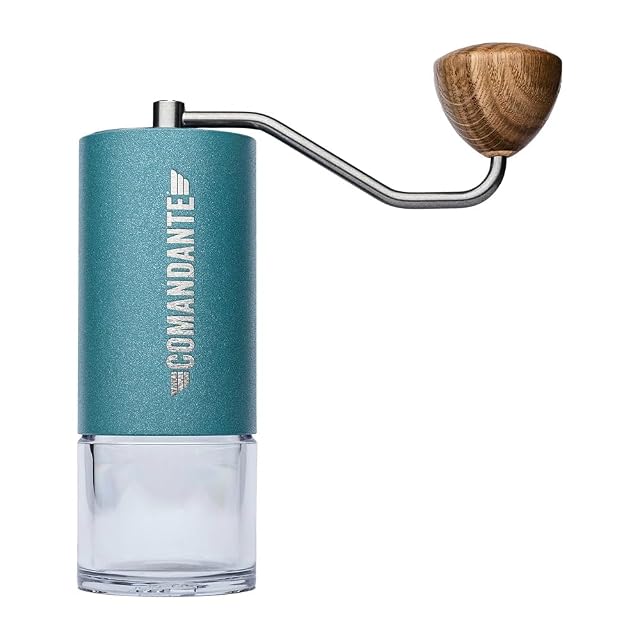
Powder. Finer than espresso, closer to icing sugar. Most electric home grinders cannot get there; a good hand grinder with fine adjustment can, and most Middle Eastern and Balkan grocers will grind it for you.
Too coarse and it will not settle properly, leaving grit in every mouthful.
Sugar
Ordered as part of the drink: sade (none), az şekerli (a little), orta (medium), çok şekerli (sweet). Adding it afterwards does not work — it needs to dissolve during brewing.
Boiling ruins it
The single most common mistake. It should rise, not boil. Boiled Turkish coffee is bitter and the foam is gone.
Questions people actually ask
How fine does the grind need to be?
Powder — noticeably finer than espresso, closer to icing sugar. Most home grinders cannot reach it. Hand grinders with fine adjustment can, and many shops will grind it for you.
Why does the foam matter?
It is considered the mark of a properly made cup and serving one without foam is a minor disgrace in much of the region. It comes from bringing the coffee slowly to the point of rising, not from boiling it.