This is less a brewing method than a decision that ruins or preserves a pot of filter coffee, and it is made at the point of purchase.
What a hotplate does
It holds the carafe at 80 °C (176 °F) or so by applying continuous heat from below.
Coffee is a solution of volatile compounds, and heat drives them off. Held on a hotplate, a pot loses aromatics within minutes and begins developing bitter, stewed, burnt notes within about twenty. After an hour it is noticeably unpleasant.
The glass carafe also picks up scorched residue at the contact point, which contributes its own flavor.
What a thermal carafe does
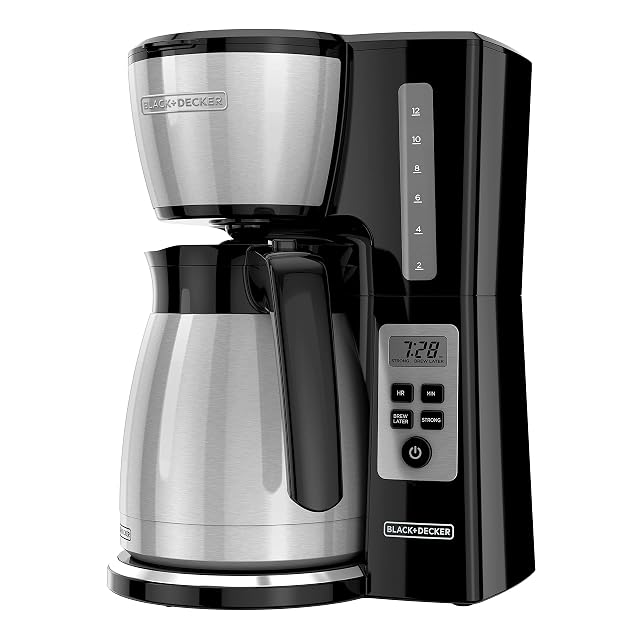
Insulates. No heat is added, so nothing continues cooking. Temperature falls slowly — a good vacuum carafe holds a pot drinkable for two to three hours.
The practical rule
If the pot is drunk within twenty minutes, glass and a hotplate is fine.
If it sits at all, thermal, or decant immediately into a separate insulated carafe.
Buying
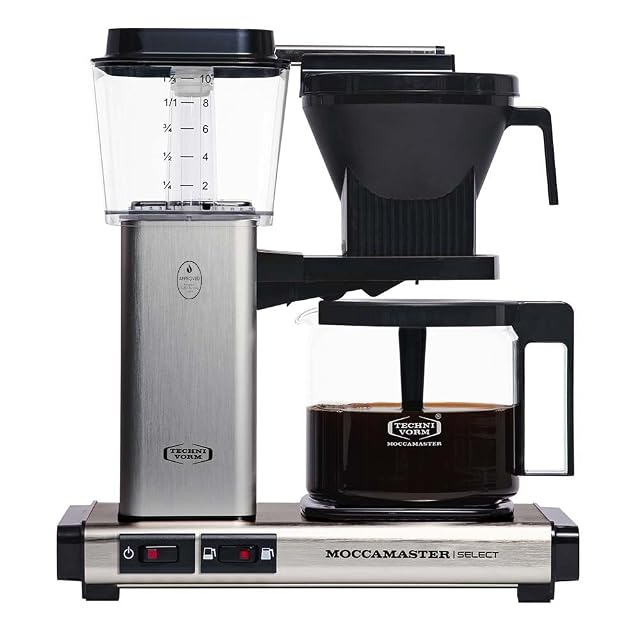
Machines usually come in both versions — Moccamaster’s KBG is glass, KBT thermal; Breville offers both.
Decanting from glass into a cheap vacuum pitcher achieves the same thing for very little.
Getting the most from a thermal carafe
Preheat it. Fill the carafe with hot tap water for a minute before brewing, then empty it: a cold steel or glass liner takes a surprising amount of heat out of the first cups. Keep the lid closed and pour only what you need. Clean it regularly with a coffee-equipment cleaner, since coffee oils build up inside a narrow-necked carafe where you cannot see them, and they turn rancid and flavor every later pot.
Steel or glass liner
Stainless steel liners are unbreakable; glass-lined vacuum carafes keep heat slightly better and hold no flavor, but break when knocked.