Skip to content

Pulped natural

Brazil’s method: skin removed, mucilage left on to dry. It predates the honey terminology and does much the same thing.

Pulped natural removes the cherry skin mechanically and dries the bean with its sticky mucilage layer still attached.

If that sounds like honey processing, it is essentially the same thing arrived at independently — Brazil was doing it before the Costa Rican honey terminology existed.

Why Brazil developed it

Brazil has a reliably dry harvest season, which makes drying whole cherries feasible. But full natural processing is slow and risks uneven fermentation on very large farms.

Pulped natural is faster than natural, needs far less water than washed, and produces a sweeter cup than washed. For a country producing a third of the world’s coffee at scale, that combination is decisive.

The cup

Sweeter and fuller than washed, cleaner and more consistent than natural. Chocolate, caramel and nut with a moderate acidity — much of what defines the modern Brazilian profile.

The difference from honey

Honey processing distinguishes grades by how much mucilage is left — white, yellow, red, black. Pulped natural generally leaves most or all of it and does not grade.

The mechanics are otherwise identical.

Where else it is used

Increasingly outside Brazil, particularly where water is scarce or where a washed programme wants more sweetness.

Brewing it

Versatile. Espresso especially, where the sweetness and body carry through milk.
What you need to make it

The equipment this actually requires — not a shopping list, the shortest route to doing it properly.

  • Best machine to keep Espresso machines

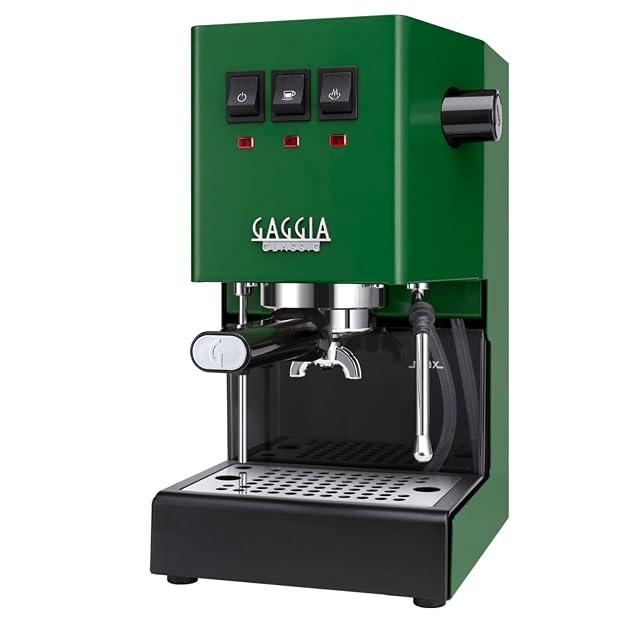
    Gaggia Classic Evo Pro

    58 mm commercial portafilter · 3-way solenoid · steel body

    A 58 mm commercial portafilter, a steel body and a three-way solenoid, in a machine cheap enough to modify. Nothing else at this price is still worth owning in fifteen years, and nothing else has this much of an aftermarket.

    Best for: Someone who wants one espresso machine for the next fifteen years and does not mind learning it.

    8.5/10

    ≈ $500 / £400 / 450 €

  • Best home espresso grinder Grinders

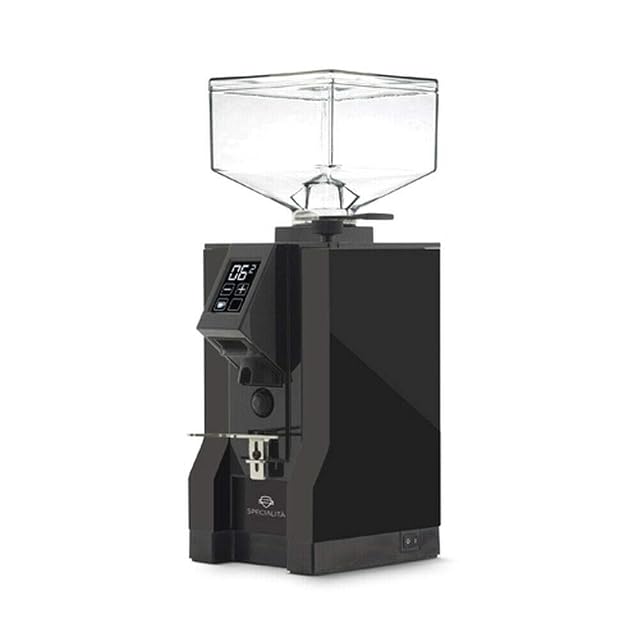
    Eureka Mignon Specialita

    55 mm flat burr · stepless · near-zero retention

    Stepless adjustment, 55 mm flat burrs and almost nothing left in the chute — the three things that separate a serious espresso grinder from a good one. It is quiet enough to use at six in the morning without an argument.

    Best for: A Gaggia Classic, Lelit or Rancilio owner who has stopped blaming their technique.

    9.0/10

    ≈ $450 / £380 / 400 €

  • Best scale under 100 Scales

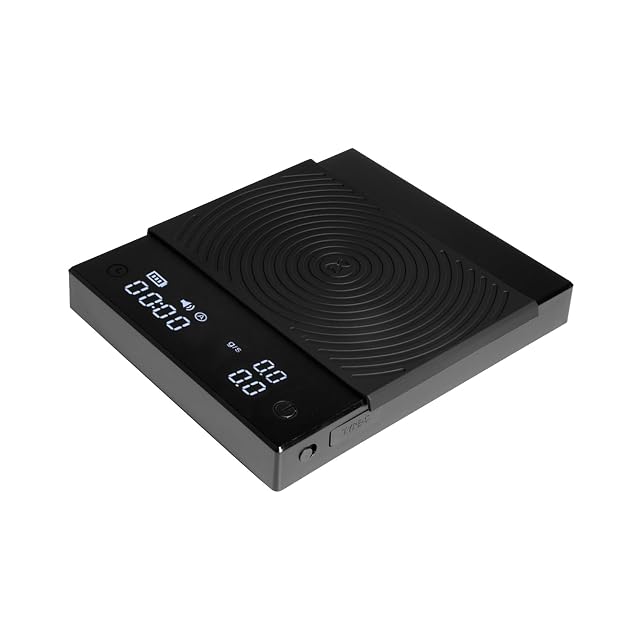
    TIMEMORE Black Mirror Basic 2

    2 kg × 0.1 g · flow rate · under-portafilter footprint

    Fast enough for espresso, small enough for a drip tray, and it shows flow rate — which is the one number that tells you what your shot is doing while it is still happening.

    Best for: Espresso, where 0.1 g and a fast refresh genuinely change what you can control.

    8.5/10

    ≈ $60 / £50 / 55 €