Skip to content

Thermal shock

Alternating hot and cold water washes after fermentation. Developed in Colombia, and it produces unusually clean intensity.

Thermal shock is a post-fermentation technique developed in Colombia, most associated with the producer Diego Samuel Bermúdez.

The method

After a controlled fermentation, the coffee is washed first with hot water — around 40 °C — and then immediately with very cold water, near 10 °C.

The abrupt temperature change is said to arrest fermentation cleanly and to affect how the remaining mucilage and the bean’s cell structure behave.

What it produces

Unusually clean intensity: pronounced fruit and floral character without the funk that long fermentation often brings.

That combination — intense but clean — is what has made the technique influential, and it now appears on competition tables regularly.

Why it costs

Heating and chilling large volumes of water at a farm is expensive and requires equipment most producers do not have. Lots processed this way are priced accordingly.

The wider point

Thermal shock is part of a broader shift: coffee processing has moved in fifteen years from a handful of traditional methods to an experimental field borrowing openly from winemaking and food science.

Whether that is progress or a distraction is genuinely contested within the industry.

Brewing it

Filter, very light roast, clean brewer, good water.
What you need to make it

The equipment this actually requires — not a shopping list, the shortest route to doing it properly.

  • The reference pour-over Manual brewers

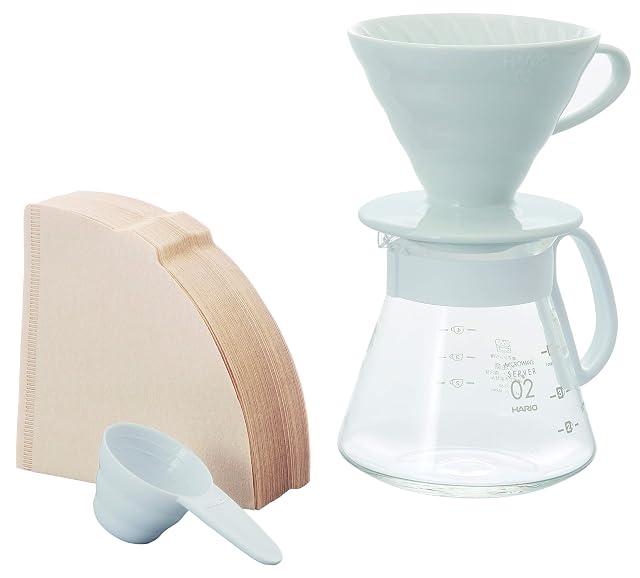
    Hario V60 02 Ceramic

    60° cone · spiral ribs · 1–4 cups

    The most transparent cup you can brew for twenty euros, and the least forgiving. Ceramic holds heat where plastic does not — and the open bottom means your pour, not the dripper, decides the coffee.

    Best for: Someone who wants to taste what a single-origin coffee is actually doing.

    8.2/10

    ≈ $25 / £20 / 22 €

  • Best filter grinder Grinders

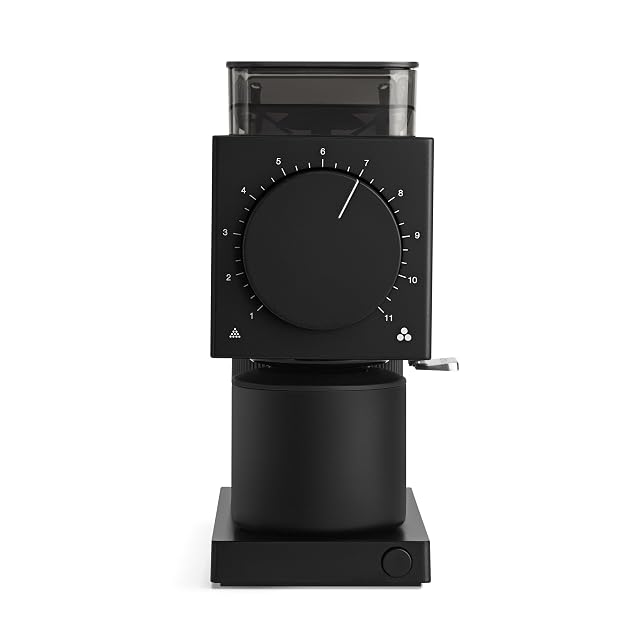
    Fellow Ode Brew Grinder Gen 2

    64 mm flat burr · filter only · single dose

    64 mm flat burrs, near-zero retention and a footprint the size of a mug, built for filter and honest about not doing espresso. For pour-over it is the clearest grind you can buy at this price.

    Best for: V60, Chemex, AeroPress and batch brewing, where clarity is the whole point.

    8.7/10

    ≈ $345 / £275 / 300 €

  • Best pour control Kettles

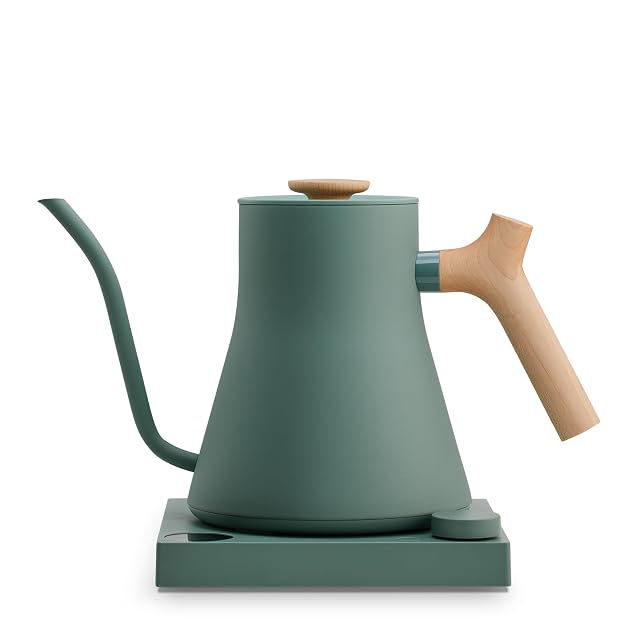
    Fellow Stagg EKG Pro

    0.9 L · ±1 °C hold · counterbalanced gooseneck

    The best-pouring kettle sold, and the hold function matters more than the thermometer. Expensive for boiling water — but if you brew pour-over daily, it is the accessory that most improves the cup.

    Best for: Daily pour-over, where flow rate is the variable you are trying to control.

    8.6/10

    ≈ $195 / £165 / 180 €