Wet-hulling — giling basah in Indonesian — is a processing method found almost nowhere outside Indonesia, and it is the reason Sumatran coffee tastes like nothing else.
What is different
In every other process, the parchment layer stays on the bean until it is fully dry at around 11 per cent moisture. In wet-hulling, the parchment is removed while the bean is still at 30 to 50 per cent — much wetter and much softer.
The naked, damp bean then finishes drying exposed.
Why it developed
Climate. Sumatra is humid and rains frequently, and drying coffee fully in parchment can take weeks during which mould is a constant risk. Hulling early speeds the final drying dramatically.
It also lets smallholders sell partly-processed coffee quickly rather than holding it, which matters in an economy of very small farms.
What it does to the cup
Very low acidity, heavy body, and a distinctive savoury profile: earth, cedar, tobacco, herbs, sometimes a green-pepper note.
The beans themselves look different — a dark blue-green rather than the pale jade of washed coffee — and are often irregularly shaped from being hulled while soft.
The quality question
This process runs closer to the edge than any other. The exposed damp bean is vulnerable, and the line between “complex and earthy” and “mouldy” is genuinely narrow. Wet-hulled coffee is more variable than washed coffee from anywhere.
Good examples are extraordinary and unlike anything else. Poor ones are unpleasant.
Brewing it
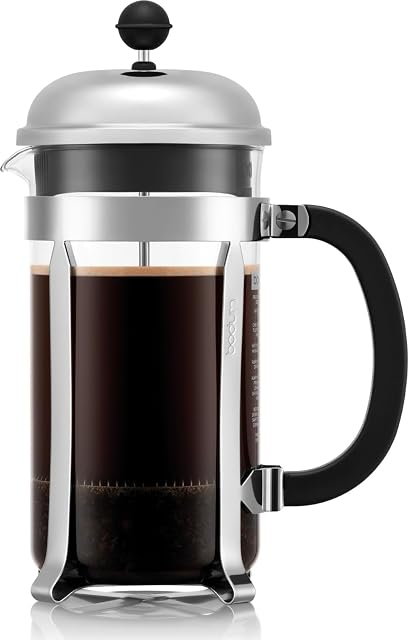
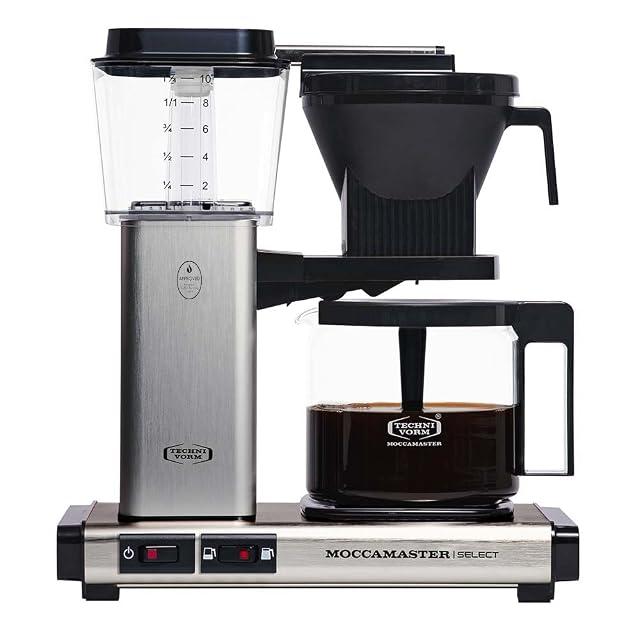
Its body and low acidity suit immersion and batch brewing, and it is the classic French press coffee. It is also the traditional backbone of dark espresso blends, where its heaviness carries through milk.