Washed — or wet — processing removes the coffee cherry’s fruit before the bean is dried.
The steps
- Depulping. Machinery strips the skin and most of the flesh from the cherry shortly after picking.
- Fermentation. The beans, still coated in a sticky layer called mucilage, sit in tanks for 12 to 72 hours while enzymes break it down.
- Washing. The mucilage is rinsed off in channels of water.
- Drying. The clean beans, still in their parchment, are dried on patios or raised beds to about 11 per cent moisture.
What it does to the cup
Because the fruit is removed early, it contributes little of its own flavour. What remains is the bean itself — the variety, the altitude, the soil.
The result is clean, bright and more acidic, with clear separation between flavours. A washed Ethiopian tastes floral and citric; a washed Colombian tastes of caramel and red apple. The origin comes through undisguised.
Why producers choose it
Consistency. Washing is far more controllable than drying whole cherries, so lot-to-lot variation is lower and defects are easier to spot and remove.
Speed. Drying takes days rather than weeks.
The cost is water — traditionally a great deal of it — which is why water-scarce regions favour natural processing, and why modern washing stations increasingly recycle.
Where it dominates
Colombia, Kenya, Central America, most of Ethiopia’s Yirgacheffe lots, and the great majority of specialty coffee generally.
For brewing
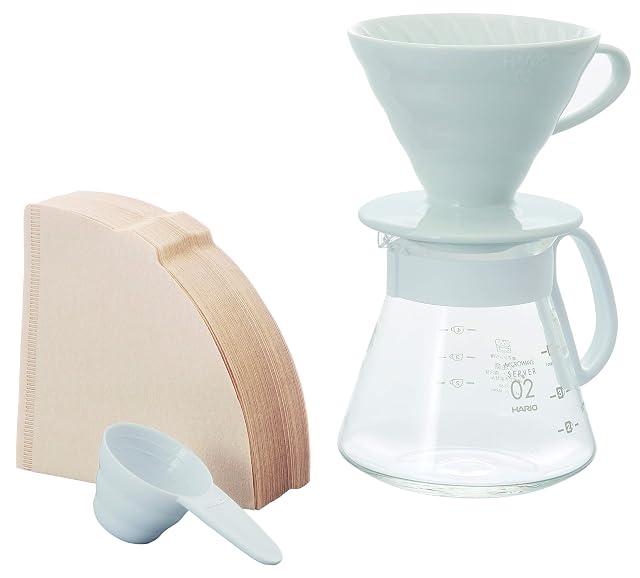
Washed coffees usually suit pour-over and lighter roasting, where their clarity and acidity are the point.
Questions people actually ask
Does washed mean better?
No, it means different. Washed processing produces a cleaner, more transparent cup that shows the origin clearly. Naturals are fruitier and heavier. Both have excellent and poor examples.
Why does it matter for brewing?
Washed coffees are usually more acidic and lighter-bodied, which suits pour-over and light roasting. Naturals suit immersion and can be harder to extract evenly.