Skip to content

Raised bed drying

Coffee dried on mesh tables with airflow underneath. Slower, more even, and one of the largest quality improvements available to a producer.

Raised beds — African beds — are mesh tables about a metre off the ground on which coffee is dried in a thin layer.

Why they are better

Airflow from all sides, so coffee dries evenly rather than from the top down.

No ground contact, removing a contamination route.

Slower and cooler drying, which is consistently associated with better cup quality and better stability in storage.

Where they came from

East Africa, and the name reflects it. They are now standard for specialty lots across every producing region.

The cost

They occupy far more area per tonne than a patio, they need building and maintaining, and they are labour-intensive to load and turn.

For a smallholder co-operative, investment in raised beds is often the single highest-return quality intervention available — larger than variety changes.

Naturals especially

Natural processing depends on even drying more than any other method. The rise of good Ethiopian and Guji naturals tracks the arrival of raised beds almost exactly.

Brewing it

Nothing specific — it shows as cleanliness and consistency.
What you need to make it

The equipment this actually requires — not a shopping list, the shortest route to doing it properly.

  • The reference pour-over Manual brewers

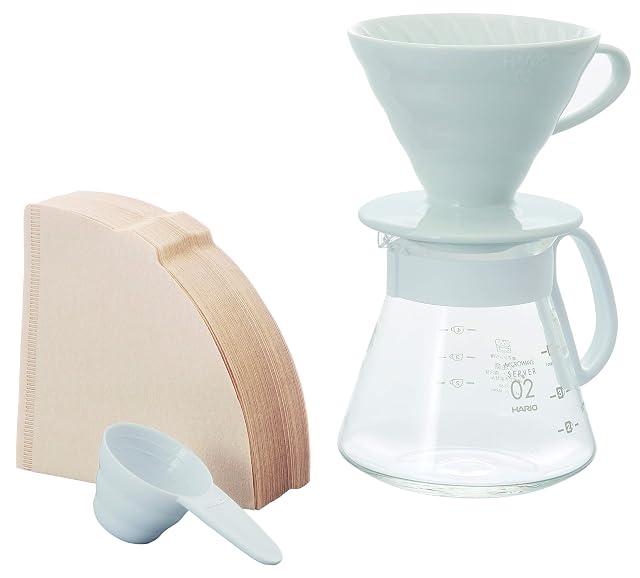
    Hario V60 02 Ceramic

    60° cone · spiral ribs · 1–4 cups

    The most transparent cup you can brew for twenty euros, and the least forgiving. Ceramic holds heat where plastic does not — and the open bottom means your pour, not the dripper, decides the coffee.

    Best for: Someone who wants to taste what a single-origin coffee is actually doing.

    8.2/10

    ≈ $25 / £20 / 22 €

  • Best filter grinder Grinders

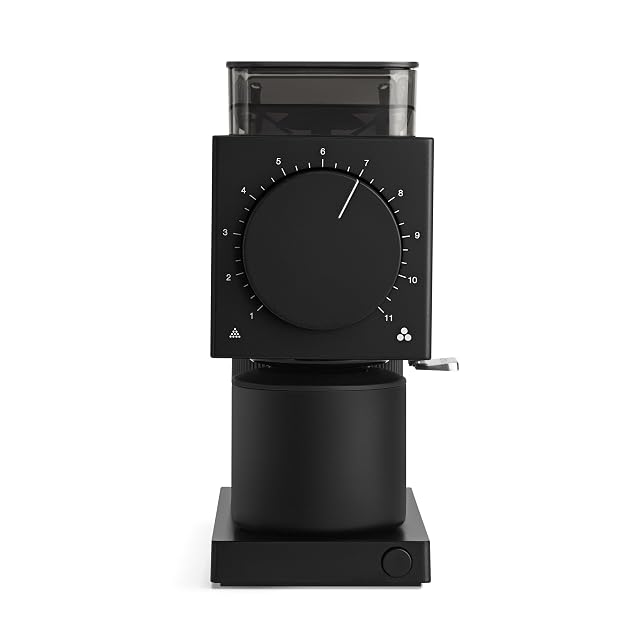
    Fellow Ode Brew Grinder Gen 2

    64 mm flat burr · filter only · single dose

    64 mm flat burrs, near-zero retention and a footprint the size of a mug, built for filter and honest about not doing espresso. For pour-over it is the clearest grind you can buy at this price.

    Best for: V60, Chemex, AeroPress and batch brewing, where clarity is the whole point.

    8.7/10

    ≈ $345 / £275 / 300 €

  • Best pour control Kettles

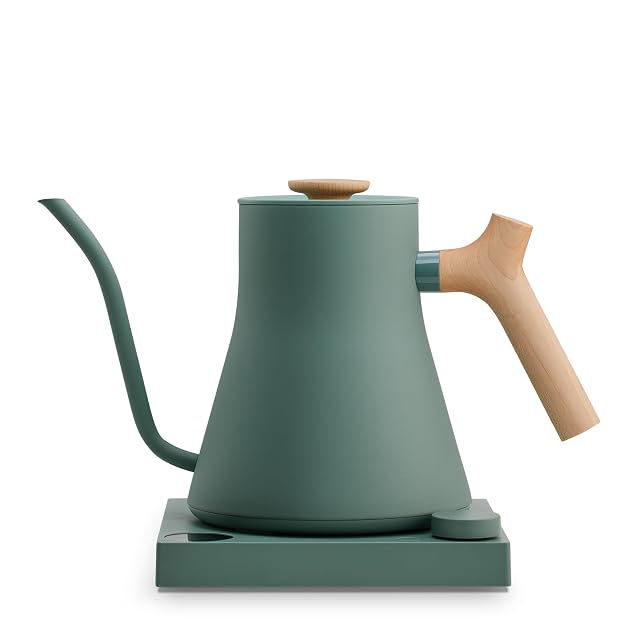
    Fellow Stagg EKG Pro

    0.9 L · ±1 °C hold · counterbalanced gooseneck

    The best-pouring kettle sold, and the hold function matters more than the thermometer. Expensive for boiling water — but if you brew pour-over daily, it is the accessory that most improves the cup.

    Best for: Daily pour-over, where flow rate is the variable you are trying to control.

    8.6/10

    ≈ $195 / £165 / 180 €