Skip to content

The best moka pots for 2026, ranked

Three pots and one shared instruction: pre-boiled water, low heat, off the hob at the first gurgle. Get that right and every one of them is good.

The moka pot is the most-owned coffee maker in Europe and the most consistently misused, and its reputation for harsh, bitter coffee is almost entirely a reputation for one habit: cold water, high flame, walk away.

Fix that and all three pots below make sweet, thick, chocolatey coffee for very little money. The differences between them come down to your hob, your patience and whether you want crema.

Which one do you need?

You cook on induction
You need stainless steel or a magnetic base: aluminium simply will not heat on an induction hob.
You drink alone
A small size, and never a large one half filled: a moka pot only works properly at its rated capacity.
You want the cleanest taste
Stainless steel and a sound gasket, with gentle heat. The burnt taste almost always comes from too fierce a flame.
You travel
Aluminium stays lighter and cheaper, and it replaces without regret.

Choosing by use

The old-fashioned morning coffee

Short, strong, no electricity and no settings. Consistency comes from the routine: same heat, same dose, same moment to take it off.

After a meal

The use the format was designed for. A size matched to the number of people avoids the partial fill that fails every time.

Camping and travel

No paper filter, no power, almost no bulk. Few methods compete away from home.

A base for milk drinks

The coffee is concentrated enough for a home cappuccino, without pretending to be espresso: the pressure is nothing like it.

The criteria that actually matter

The material
Aluminium heats fast and costs little; stainless is more neutral in taste, works on induction and washes more easily. The taste difference shows mostly on new, poorly rinsed pots.
Compatibility with your hob
The criterion discovered too late most often. An aluminium pot on induction will simply not heat.
Size, in real cups
Quoted sizes refer to very small cups. A "six-cup" is not six mugs, and it has to be filled to capacity to work.
Whether gaskets are available
The gasket is the only wear part, and it is replaceable. A pot whose gaskets cannot be found becomes disposable at the first hardening.

Which criterion for which use

Your situationThe right choiceWhy
Induction hobStainless or magnetic baseAluminium will not heat
Coffee for oneSmall capacityA partial fill fails
Looking for neutralityStainlessLess exchange with the coffee
TravelAluminiumLight and inexpensive

Mistakes to avoid

Heating too hard
This is the source of the burnt taste people blame on the pot. Fierce heat pushes the coffee out too fast and overheats it in the column.
Tamping the coffee in the basket
A moka pot works at low pressure: tamped coffee blocks the path and drives pressure up to the safety valve. Fill level, do not press.
Filling water above the valve
The valve must stay clear: it is the appliance's safety device. Above it, it can no longer do its job.
Putting it in the dishwasher
Aluminium oxidises and dulls there, and the gasket dries out. Hot water and a wipe are enough.

Choosing by profile

The traditionalist
Aluminium, small size, gentle heat. The method has not changed and does not need to.
The modern kitchen
Induction-compatible stainless, even at a higher price: it is the only option that works on those hobs.
The traveller
A small aluminium pot and a spare gasket in the bag: the whole thing fits in a pocket.

Upkeep and how long it lasts

A moka pot wears through its gasket and degrades through oils. Coffee leaves a film that goes rancid and gives a taste wrongly blamed on the metal. Nothing here allows a gasket life to be quoted: it depends on frequency and heat.

  • Rinse in hot water after use, without harsh detergent.
  • Take the three parts apart and dry them: trapped moisture turns things rancid and corrodes.
  • Change the gasket as soon as it hardens or steam escapes at the thread.
  • Check the valve hole is clear before every use.

Safety

It is a small pressure vessel heated over a naked flame.

  • Never block the safety valve or work around it.
  • Do not open the pot while it is hot and under pressure.
  • Keep the flame off the handle, which is often plastic.
  • Use a cloth on the handle: it gets hotter than people expect.
  1. The original, still right Moka pots

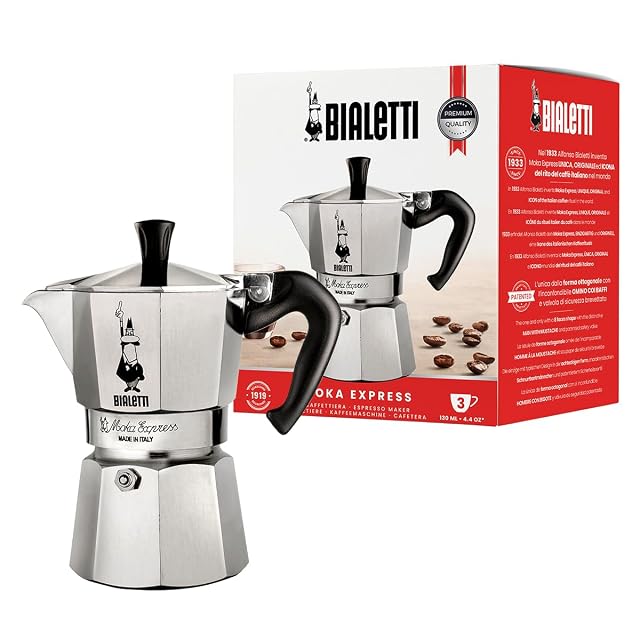
    Bialetti Moka Express 3-cup

    Aluminium · 130 ml · not induction

    Ninety years old, sold by the million, and misused by almost everyone who owns one. Brewed properly — low heat, pre-boiled water, off the hob at the first gurgle — it is one of the great cheap coffees.

    Best for: One or two strong cups on a gas or electric hob, at almost no cost.

    8.0/10

    ≈ $35 / £25 / 25 €

  2. Best for induction hobs Moka pots

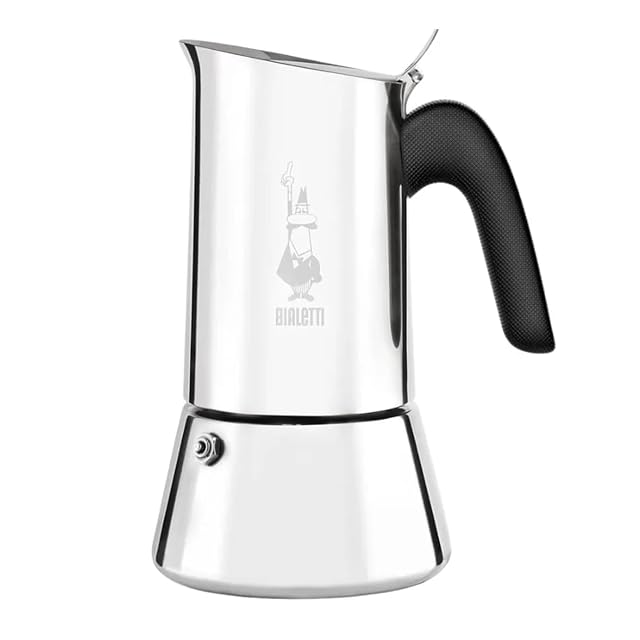
    Bialetti Venus Induction

    18/10 stainless · induction-ready · 4 or 6 cups

    The stainless Bialetti that works on induction, which the aluminium Moka Express does not. Slower to heat, easier to clean, and it will outlive the classic.

    Best for: Anyone with an induction hob, or who wants a moka pot that goes in the dishwasher.

    8.0/10

    ≈ $50 / £40 / 42 €

  3. Closest a moka gets to crema Moka pots

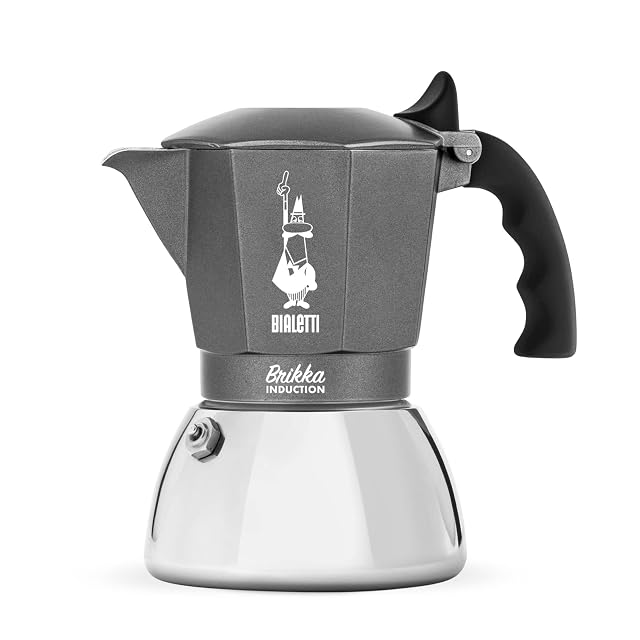
    Bialetti Brikka

    Pressure valve · induction-ready · 2 or 4 cups

    A weighted valve holds pressure back until it releases in one burst, which produces a genuine layer of crema. It is also fussier than a normal moka, and unforgiving if you fill it wrong.

    Best for: A moka drinker who wants something closer to espresso and will follow the instructions.

    7.8/10

    ≈ $60 / £45 / 48 €

Questions people actually ask

Why does moka coffee taste burnt?

Cold water and high heat. Filling with cold water leaves the pot on the flame for minutes while the aluminium and the coffee bed cook before any brewing starts. Fill from a kettle with water already boiled, use a low flame, and take it off at the first gurgle.

Which size should I buy?

The one matching your normal serving. A moka pot only brews properly when filled to its rating, so a 6-cup pot making 3 cups over-extracts badly. Bialetti counts in 40 ml Italian espresso cups, so a 3-cup is roughly one large mug.

Does aluminium or stainless taste different?

Slightly, and less than everyone claims. Aluminium develops a seasoned layer over years that some drinkers find rounds the cup; stainless stays neutral and cleans more easily. Both differences are dwarfed by grind size and heat management.

Should I put hot water in the base?

It is a common practice: it shortens the time the coffee spends heating and limits the cooked taste. You then handle the pot with care, because the body gets hot immediately.

What grind for a moka pot?

Finer than filter, coarser than espresso. An espresso grind blocks the path and raises the pressure without improving the cup.

Should I wash it with detergent?

A hot-water rinse is enough and preserves the patina. Detergent is not forbidden, but rinse thoroughly: the residue is audible in the next cup.

Why does it overflow from the top?

Too much coffee, tamped, a grind too fine, or too fierce a flame. All three raise pressure faster than the coffee can come through.

Can I make a long coffee with a moka pot?

You can lengthen the drink in the cup, but not the brew: adding water to the base above the safety valve upsets the mechanics.

Why each one, and for whom

Bialetti Moka Express 3-cup · $35

For : One or two strong cups on a gas or electric hob, at almost no cost.

Main strength : Genuinely excellent coffee for the price, if you brew it correctly

Main limitation : Aluminium — will not work on an induction hob

Read the full review →

Bialetti Venus Induction · $50

For : Anyone with an induction hob, or who wants a moka pot that goes in the dishwasher.

Main strength : Works on induction, gas, electric and ceramic — no adapter disc needed

Main limitation : Heats more slowly than aluminium, which needs a gentler flame still

Read the full review →

Bialetti Brikka · $60

For : A moka drinker who wants something closer to espresso and will follow the instructions.

Main strength : Produces real crema — no other stovetop pot does this properly

Main limitation : Very sensitive to fill level and heat; small errors ruin the brew

Read the full review →

Deciding in one line

Useful comparisons

Head-to-heads already published between two models from this guide or this aisle.

How this guide is built

The models here come from the catalogue of this site. Specifications are those published by the manufacturer and on the Amazon product page; prices are what Keepa reported on the date below, and both move. The ranking uses declared specifications, the balance of stated strengths and limitations, and price. No product on this site has been physically tested, and nothing here claims otherwise.

Last checked on

The tool we use ourselves

Chosen your machine? Now buy it at the right price.

Espresso machines and grinders swing by a hundred euros or more across the year, and the biggest "discounts" often land at prices the same model sold for six weeks earlier. UniverTrack tracks the real price history across retailers, spots fake reductions, and alerts you when it is genuinely the moment to buy.

Real price historyBuy-now alertsAI buying assistant
Try free for 14 days →
No commitment · Cancel in one click · 5 languages