Skip to content

Yemen Mokha

The oldest commercial coffee in the world, still grown on terraces and dried in the cherry. Wild, winey, chocolatey and unlike anything else.

Yemen is where coffee became a commodity. Beans originated in Ethiopia, but it was Yemeni farmers who first cultivated it commercially, and the port of Mokha that shipped it to the world from the fifteenth century onwards.

Every Typica and Bourbon tree on earth — and therefore most arabica varieties — descends from Yemeni stock.

The profile

Wild and complex: winey, deeply chocolatey, spiced, sometimes with a dried-fruit and tobacco character. Heavy body, low-to-moderate acidity, and a fermented edge that is part of the identity rather than a defect.

Nothing else tastes like it, and no two lots taste quite the same.

How it is grown

On terraces cut into extremely steep mountainsides, at altitudes reaching 2,400 metres, often on plots of a fraction of a hectare. Water is scarce, so processing is natural — cherries dried whole on rooftops and terraces, exactly as they were centuries ago.

The varieties are ancient Yemeni landraces, largely uncatalogued.

Why it is difficult

Yemen has been at war for years. Infrastructure is damaged, export routes are unreliable, and drought is a chronic threat. Every bag reaching Europe has come through a supply chain that should not really work.

Quality varies enormously as a result, and prices are very high.

The name confusion

Mokha the port gave its name to the chocolatey flavour note, and then to the mocha drink containing actual chocolate. The drink has nothing to do with Yemeni coffee beyond the borrowed word.

Brewing it

Immersion suits its body and its wildness — a French press or an AeroPress. Medium roast. It is an experience rather than an everyday coffee, and it should be approached as one.
Questions people actually ask

Is Yemen where coffee was first traded?

Effectively yes. Coffee originated in Ethiopia, and Yemen was where it was first cultivated commercially and exported, through the port of Mokha, from the fifteenth century. The Typica and Bourbon lineages that populate the world descend from Yemeni stock.

Why is it so expensive and so variable?

Tiny terraced plots at extreme altitude, ancient processing infrastructure, drought, and an ongoing war. Every bag that reaches Europe has come through a difficult supply chain, and quality varies enormously.

What you need to make it

The equipment this actually requires — not a shopping list, the shortest route to doing it properly.

  • Best value brewer Manual brewers

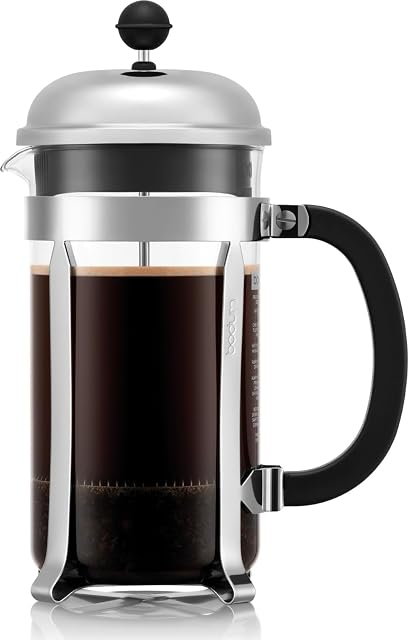
    Bodum Chambord French Press 1 L

    1 L · steel mesh · borosilicate glass

    Full immersion, full body, and no paper to buy ever again. The cheapest genuinely good brewer here — and the one most ruined by grinding too fine.

    Best for: Big-bodied dark and medium roasts, and anyone who does not want to buy papers.

    8.1/10

    ≈ $45 / £35 / 38 €

  • Most forgiving brewer Manual brewers

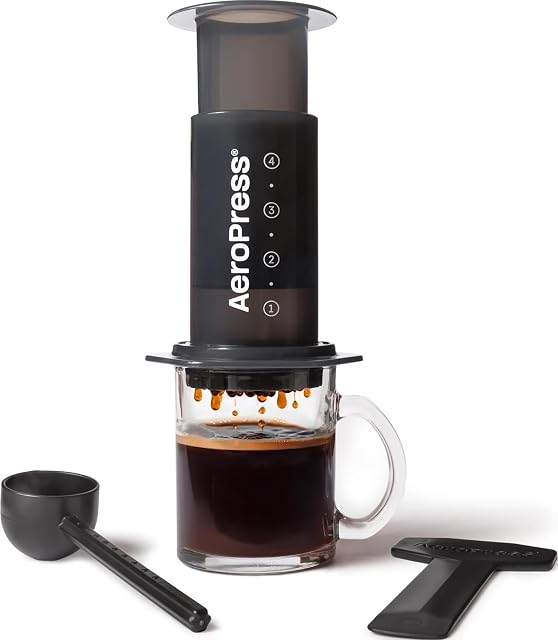
    AeroPress Original

    Immersion + pressure · 1–3 cups · unbreakable

    The one brewer that makes a good cup while you are still learning. Immersion means time does the work instead of your pour — so a mediocre grinder and an ordinary kettle still produce something you want to drink.

    Best for: Your first real brewer, an office drawer, or anywhere a V60 would be a nuisance.

    8.8/10

    ≈ $40 / £30 / 35 €

  • Best hand grinder Grinders

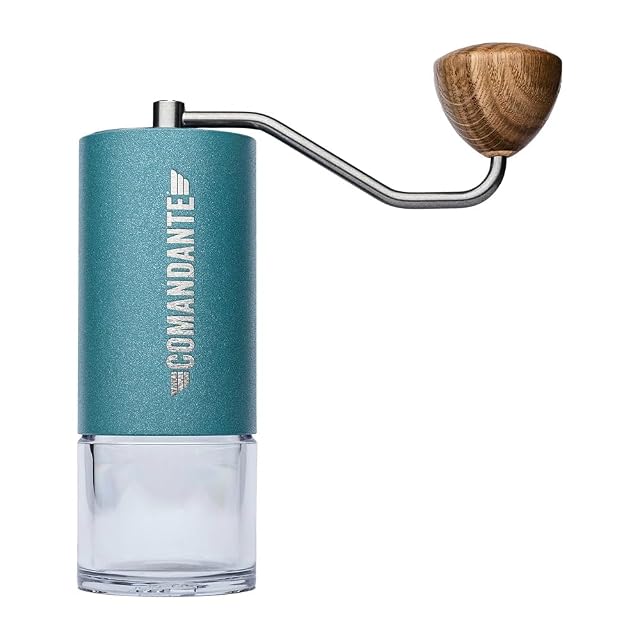
    Comandante C40 MK4 Nitro Blade

    39 mm nitrogen-hardened burr · hand · filter & espresso

    The hand grinder others are measured against, and priced accordingly. Grinds better than electric grinders at twice the money, and asks for your arm every single morning.

    Best for: One or two exceptional cups a day, travel, and anyone who values the object.

    8.8/10

    ≈ $340 / £270 / 290 €