Skip to content

The best bean-to-cup machines for 2026

A bean-to-cup machine is the shortest path from whole beans to a decent flat white — and the appliance you will use twice a day for the next decade. We compare them on the things that actually decide satisfaction: grinder quality, milk system, how easy the brew unit is to clean, and what it costs to keep running.

The models we recommend

  1. Best first bean-to-cup

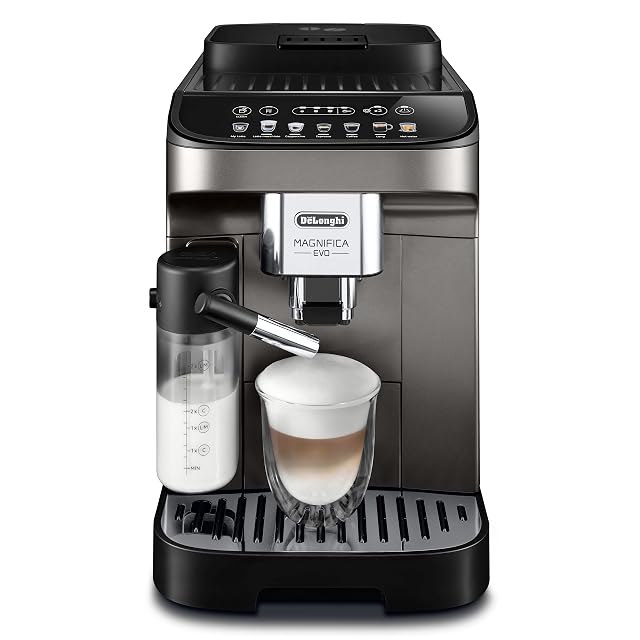
    De'Longhi Magnifica Evo

    13-step steel burr · manual or LatteCrema wand

    The machine most people should start with. The grinder is ordinary and the coffee is good rather than great — but the brew unit pops out in two seconds, and that single design decision is why these are still running after eight years.

    Best for: Someone moving off capsules who wants fresh coffee without a hobby attached.

    8.1/10

    ≈ $600 / £450 / 450 €

  2. Best if you never make milk drinks

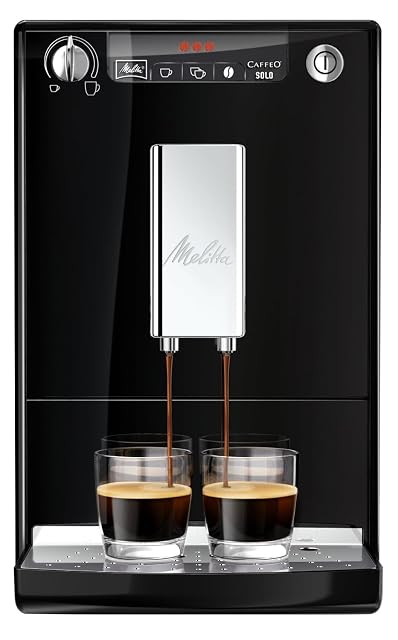
    Melitta Caffeo Solo

    Steel conical burr · 1.2 L · black coffee only

    A bean-to-cup machine that deliberately does not do milk, and is cheaper, narrower and simpler for it. If you drink your coffee black, you are paying for nothing you do not use.

    Best for: Espresso, lungo and americano drinkers who genuinely never make a cappuccino.

    7.9/10

    ≈ £280 / 300 €

  3. Best milk system

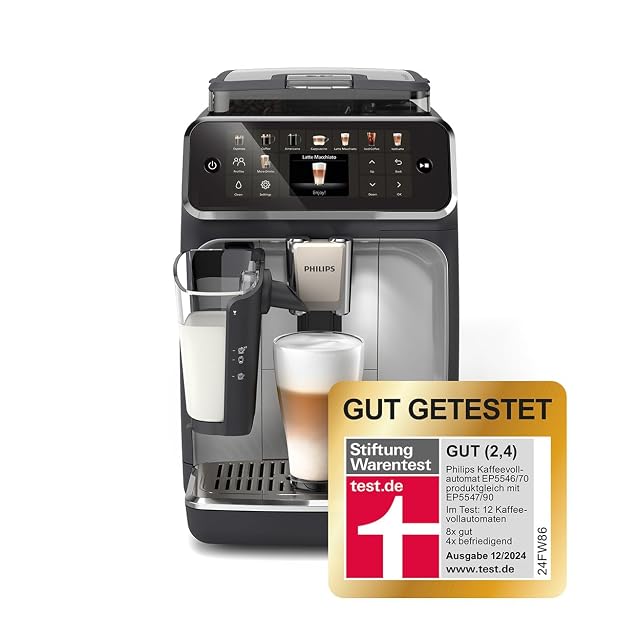
    Philips 5500 Series LatteGo

    12-step ceramic burr · 20 drinks · 2-part milk system

    LatteGo is the only automatic milk system we do not resent cleaning: two parts, no tubes, both dishwasher-safe. Combined with ceramic burrs that will outlast the machine, it makes this the sensible middle of the bean-to-cup market.

    Best for: A household where two or three people each drink something different, with milk.

    8.4/10

    ≈ $800 / £600 / 600 €

  4. Best espresso from an automatic

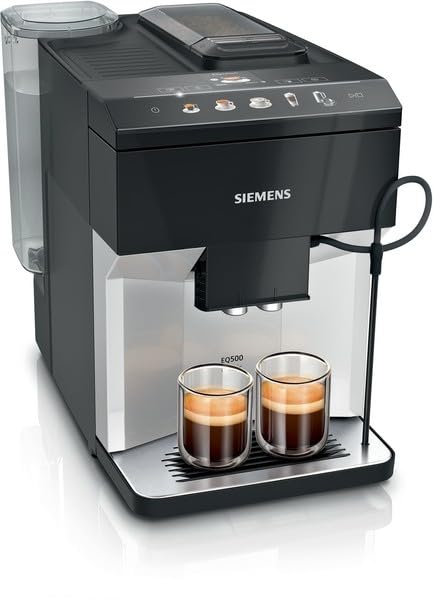
    Siemens EQ.500 integral

    Ceramic burr · iAroma system · milk carafe

    The best straight espresso in the automatic mid-range, from a brand that quietly builds these for Bosch too. Its weakness is the same as every premium automatic: you cannot take the brew unit out.

    Best for: A household that wants espresso quality closer to Jura without paying Jura money.

    8.3/10

    ≈ £750 / 800 €

  5. Two beans at once

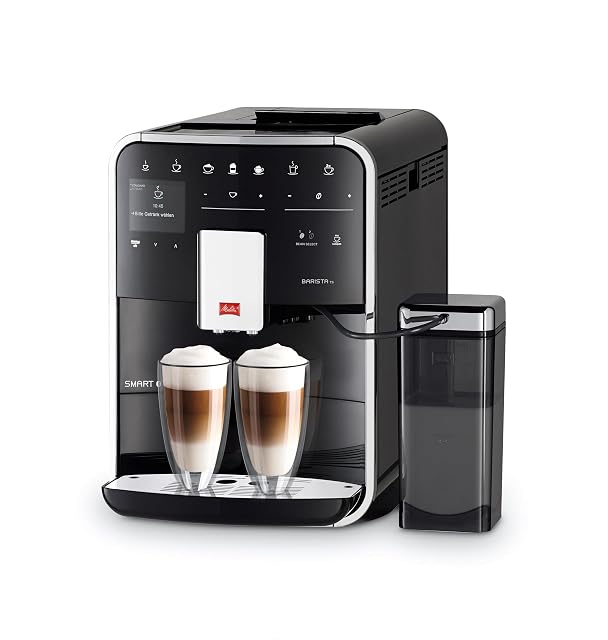
    Melitta Barista TS Smart

    Bean chambers ×2 · 21 drinks · app control

    Two separate bean chambers, so a decaf drinker and an espresso drinker share one machine without either compromising. The app is beside the point; the second hopper is not.

    Best for: A household where one person drinks decaf after six and nobody wants to swap beans.

    8.2/10

    ≈ £900 / 950 €

  6. Best short-shot extraction

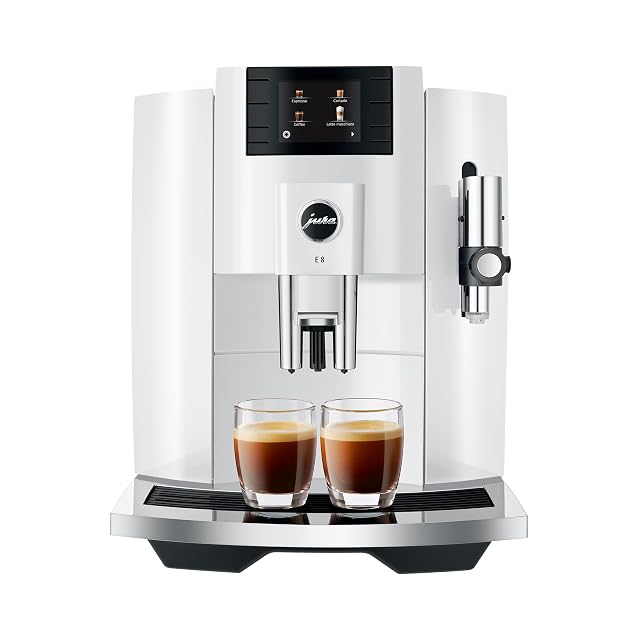
    JURA E8

    Pulse Extraction · sealed brew unit · 17 drinks

    The best espresso an automatic machine makes, from a company that will not let you clean the part that brews it. Extraordinary in the cup, uncomfortable as a ten-year purchase — and you should know both before spending this much.

    Best for: Someone who drinks short black coffee daily, values the cup over the repair bill, and will pay for it.

    7.6/10

    ≈ $2,000 / £1,300 / 1 200 €

Which one for which need

A household that makes coffee back to back

On a bean-to-cup machine it is refilling the tank that interrupts service. With several people in the morning, capacity decides how many trips to the sink you make.

JURA E8

The best of the aisle, no deliberating

When the machine simply has to do its job without you thinking about it, starting from the highest-rated model here is the shortest route.

Philips 5500 Series LatteGo

A first machine with a grinder

The price jump to bean-to-cup is already steep. The most affordable model in the aisle lets you find out whether the routine suits you before spending more.

Melitta Caffeo Solo

Who each type suits

Daily milk drinks
This is where bean-to-cup genuinely wins: one button, a consistent result, and a milk circuit to clean every day. Check the milk unit is dishwasher-safe, or the chore will outweigh the convenience.
Short espresso drinker
Bean-to-cup gives a decent espresso and rarely an excellent one: pressure and temperature are fixed at the factory. If espresso is the goal, a portafilter machine and a good grinder do better for the same budget.
Office or large household
Cups before refilling and ease of cleaning matter more than fineness of adjustment. A machine nobody descales because it is fiddly ends up broken.

The trade-offs to weigh

Automation against control
The more the machine decides, the less you can correct. Models that let you set grind, dose and temperature give better results and ask to be looked after.
Milk system against upkeep
An automatic milk system makes real cappuccinos and imposes a daily rinse. A classic steam wand asks for the skill and wipes clean in seconds.
Built-in grinder against replaceable
The built-in grinder is the point of these machines and their weak spot: on many models it cannot be replaced separately, and its failure condemns the appliance.

Questions buyers ask

Does a bean-to-cup machine make better coffee than pods?

Almost always, because the coffee is ground on the spot. The difference is degassing: a bean ground thirty seconds ago has nothing in common with a dose sealed months back.

Do I need to set the grind myself?

At least once, yes. The factory setting is a cautious compromise; nudging it one step finer on a coffee that runs too fast changes the cup completely.

How often should I descale?

Depending on water hardness and how many coffees you make, generally every two to three months. The machine asks for it itself, and postponing that alert is the leading cause of failure on these appliances.

Does a water filter replace descaling?

It stretches the interval considerably without removing it. In very hard water the filter costs less than the descaling cycles — and far less than a repair.

Can I use flavoured or oily beans?

It is inadvisable with a built-in grinder: the oils stick to the burrs and the chute, go rancid and eventually block the flow. Very dark roasts cause the same problem to a lesser degree.

How long does a bean-to-cup machine last?

Five to ten years with regular descaling, less if the water is hard and maintenance is skipped. The most common failure is the brew group or the grinder, not the pump.

Should the brew group be removable?

It is clearly preferable: a group you pull out and rinse under the tap cleans in two minutes. With fixed groups, maintenance rests entirely on automatic cycles and tablets.

Do I need a machine with two grinders?

Only if two people in the household drink genuinely different coffees and will not share a setting. It is a convenience, not an improvement to the cup.

What to remember

A bean-to-cup machine is bought for consistency and convenience, not for excellence in the cup. Look at tank capacity if there are several of you, at how easily the milk circuit cleans if you drink milk, and check that the brew group comes out — that is what decides how long it lasts.

This category at a glance

Every model compared

Only the specifications at least four models out of five state. A column that is more empty than full compares nothing.

ModelPriceBrew unitWater tankBurr type
Melitta Caffeo Solo280 $Removable1.2 LConical steel
De'Longhi Magnifica Evo600 $Removable1.8 LConical steel
Siemens EQ.500 integral750 $Sealed1.7 LCeramic
Philips 5500 Series LatteGo800 $Removable1.8 LCeramic flat
Melitta Barista TS Smart900 $Removable1.8 L
JURA E82000 $Sealed — not removable1.9 LProfessional conical

What each budget buys here

Lower range

280 – 600 $

2 models

De'Longhi Magnifica Evo

Mid range

750 – 800 $

2 models

Philips 5500 Series LatteGo

Upper range

900 – 2000 $

2 models

JURA E8

Guides covering this category

Sources and method

Specifications: manufacturer sheets and Amazon product pages. Prices and availability: Keepa. No product on this site has been physically tested.

Most recent revision in this category: August 8, 2026.

How we assess products