Yirgacheffe is a small area within the Gedeo Zone of southern Ethiopia, and it is probably the most influential single name in specialty coffee.
Why it tastes the way it does
Very high altitude — 1,700 to over 2,200 metres — means slow cherry development and dense beans with concentrated sugars and acids. Add the genetic diversity of coffee’s homeland and you get a profile no other region reproduces.
Washed Yirgacheffe is the reference for floral, tea-like coffee: jasmine, bergamot, lemon, sometimes peach, with a light body and bright acidity. If a coffee is described as tasting like Earl Grey, this is what the writer is thinking of.
Heirloom
Ethiopian lots are usually labelled “heirloom” rather than named for a variety. That is not vagueness — the forests hold thousands of arabica populations that have never been catalogued, and a single smallholder’s plot may contain dozens.
Every commercial variety grown worldwide descends from a tiny sample of this diversity.
Washed and natural
Both are made here and they are genuinely different coffees. Washed shows the floral clarity; natural lots — dried in the cherry — are heavy with blueberry and strawberry.
Brewing it
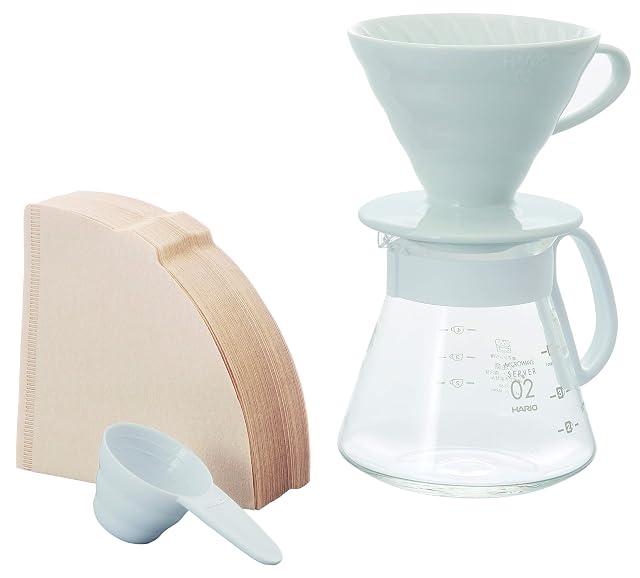
Filter, light roast, and a brewer that shows clarity: a V60, a Kalita or a Chemex. Espresso is possible and difficult — Yirgacheffe’s acidity can turn sharp under pressure.
Grind finer and brew hotter than you would a Brazilian. These are dense beans and they resist extraction.
Questions people actually ask
Why is it called heirloom rather than a variety?
Ethiopia is coffee’s birthplace and its forests hold thousands of undocumented arabica populations. Most Yirgacheffe lots are mixtures of local landraces nobody has fully catalogued, so they are labelled heirloom rather than named.
Washed or natural?
Both are excellent and completely different. Washed Yirgacheffe is the floral, citric benchmark; natural lots are heavy with blueberry and strawberry. Try both before deciding which you mean when you say you like Yirgacheffe.