Skip to content

Yeast inoculation

Adding selected yeast strains to fermentation, as in winemaking. Highly controllable, and it raises the same questions as any added flavour.

Yeast inoculation adds a selected strain of yeast to the fermentation tank rather than relying on whatever microbes are present on the fruit.

The technique comes straight from winemaking, where inoculated fermentation has been standard for decades.

Why producers do it

Control. Wild fermentation depends on ambient microbes, temperature and luck. A known strain in a known quantity produces a repeatable result — which for a producer selling on quality is worth a great deal.

Direction. Different strains produce different compounds. Some push towards tropical fruit, others towards floral or savoury notes. The producer can aim at a profile rather than discover one.

Defect reduction. A strong inoculated culture outcompetes the organisms that cause off-flavours.

The cup

Clean and often intensely flavoured, in a direction chosen by the producer. Less unpredictable than wild anaerobic fermentation and often less funky.

The debate

The same question as all processing innovation: at what point does the process stop revealing the coffee and start replacing it?

Inoculation sits on the acceptable side for most people — it directs a natural fermentation rather than adding flavour. Co-fermentation with added fruit or spices is where most of the industry draws the line, and even that is contested.

Brewing it

Filter, light roast, clean brewer. These lots are usually roasted very light.
What you need to make it

The equipment this actually requires — not a shopping list, the shortest route to doing it properly.

  • The reference pour-over Manual brewers

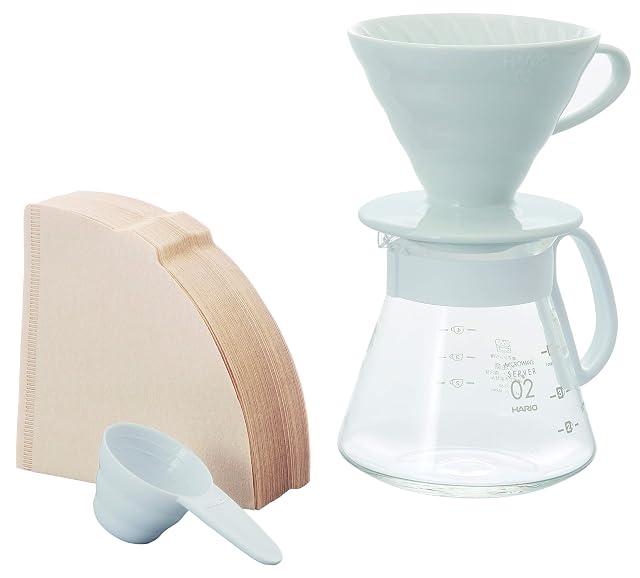
    Hario V60 02 Ceramic

    60° cone · spiral ribs · 1–4 cups

    The most transparent cup you can brew for twenty euros, and the least forgiving. Ceramic holds heat where plastic does not — and the open bottom means your pour, not the dripper, decides the coffee.

    Best for: Someone who wants to taste what a single-origin coffee is actually doing.

    8.2/10

    ≈ $25 / £20 / 22 €

  • Best filter grinder Grinders

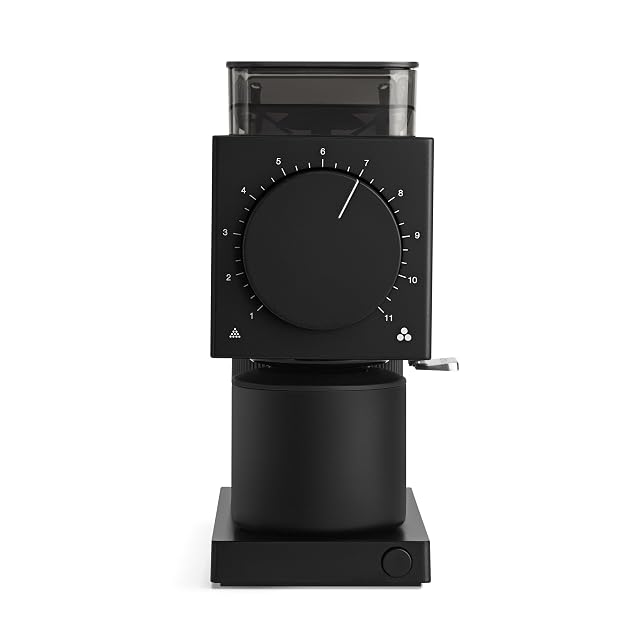
    Fellow Ode Brew Grinder Gen 2

    64 mm flat burr · filter only · single dose

    64 mm flat burrs, near-zero retention and a footprint the size of a mug, built for filter and honest about not doing espresso. For pour-over it is the clearest grind you can buy at this price.

    Best for: V60, Chemex, AeroPress and batch brewing, where clarity is the whole point.

    8.7/10

    ≈ $345 / £275 / 300 €

  • Best pour control Kettles

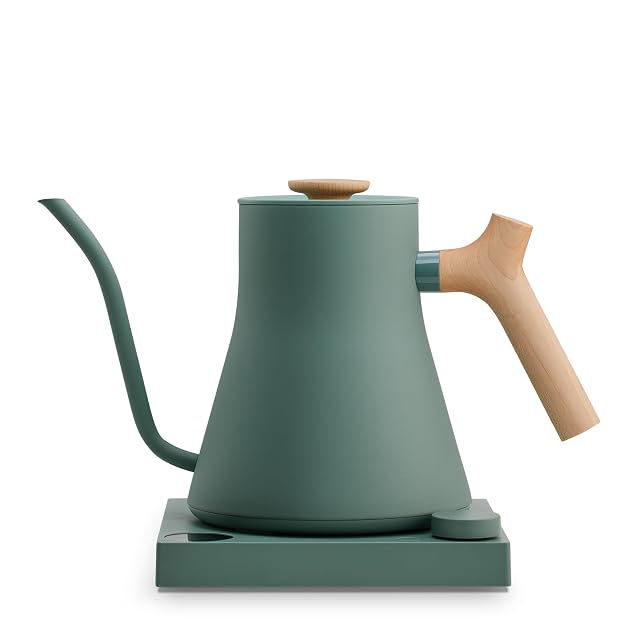
    Fellow Stagg EKG Pro

    0.9 L · ±1 °C hold · counterbalanced gooseneck

    The best-pouring kettle sold, and the hold function matters more than the thermometer. Expensive for boiling water — but if you brew pour-over daily, it is the accessory that most improves the cup.

    Best for: Daily pour-over, where flow rate is the variable you are trying to control.

    8.6/10

    ≈ $195 / £165 / 180 €