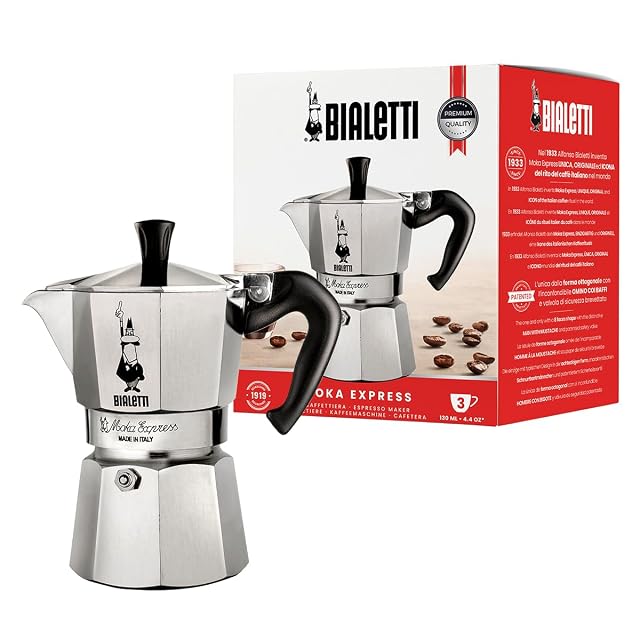
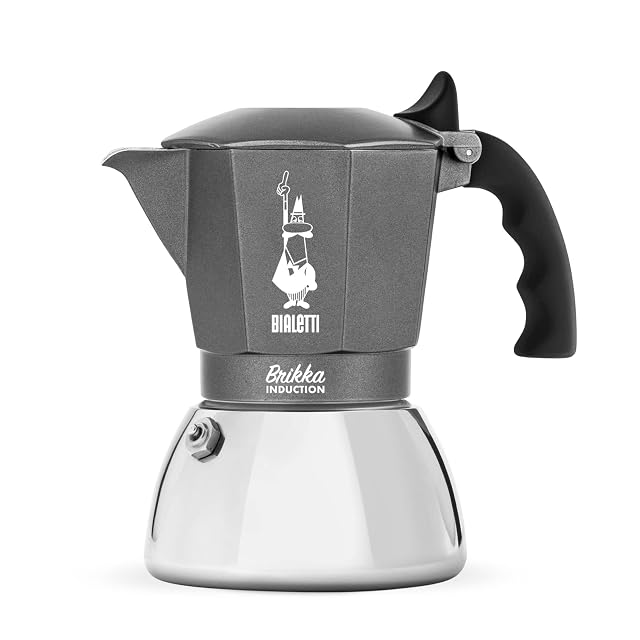
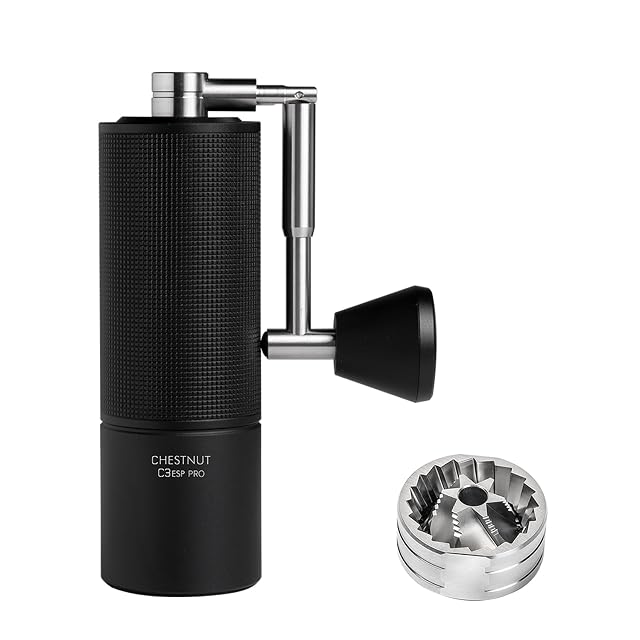
A moka pot heats water in a sealed base until steam pressure pushes it up through a coffee basket into the upper chamber. It produces around one to two bars — strong, thick coffee, and not espresso.
The method that matters
- Fill the base with water already boiled in a kettle, to just below the valve.
- Fill the basket level and do not tamp. Sweep it flat with a finger.
- Assemble — the base is hot, use a cloth.
- Low heat, lid open so you can watch.
- Take it off at the first gurgle and run the base under a cold tap for two seconds.
Why pre-boiled water is the whole trick
Cold water takes three or four minutes to build pressure, and during those minutes the metal body and the coffee above it are being roasted. By the time brewing starts, the grounds are already scorched. That is where the bitterness everyone associates with moka pots comes from.
Fill from the kettle and the same pot with the same coffee makes something sweet and chocolatey.
Fill it to its rating
The basket needs a full bed for water to pass evenly. A 6-cup pot brewing 3 cups over-extracts badly. Bialetti counts in 40 ml Italian cups, so a 3-cup pot is one large mug.
Aluminium and induction
Classic Moka Express pots are aluminium and will not work on induction, since aluminium is not ferromagnetic. Stainless versions — Venus, Musa — do.
Maintenance
The rubber gasket hardens over a year or two and is sold everywhere. Do not wash the pot with detergent; rinse it. And do not put an aluminium one in a dishwasher.
Questions people actually ask
Why pre-boiled water?
Cold water leaves the pot on the flame for minutes while the metal and the coffee cook before brewing starts. Pre-boiled water reaches pressure in under a minute, so the coffee never bakes. It is the single change that transforms moka coffee.
Should I tamp the basket?
No. A moka pot generates one to two bars, not nine, and a tamped bed restricts flow so badly that steam forces through in bursts. Fill level and sweep flat.