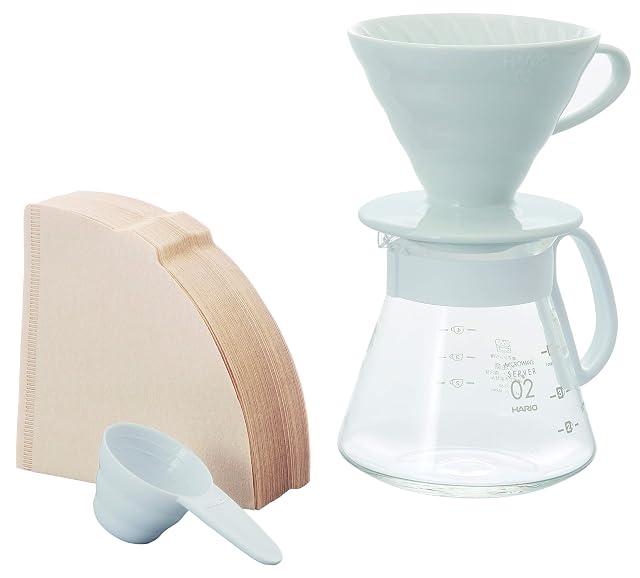
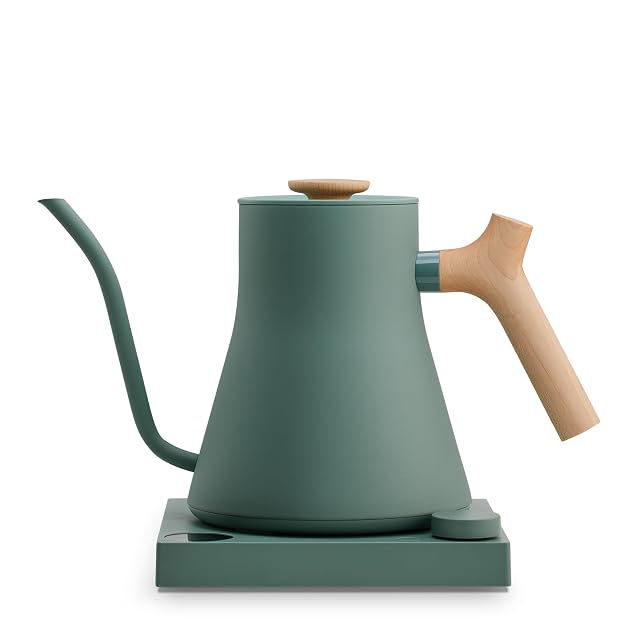
Pulse pouring adds the water in several distinct pours, letting the bed drain most of the way between each. A continuous pour adds it in one uninterrupted stream.
What changes
Pulses extract more. Each new pour agitates the bed and refreshes the water in contact with the grounds, and the bed sits at a lower average water level, so the flow through it is faster and the turbulence higher.
A continuous pour is gentler. Less agitation, a deeper bed of water, and generally a lower extraction with a cleaner, more delicate cup.
When to pulse
Light roasts, which are dense and hard to extract, and taste sour when under-extracted. A 40/60/60/60 g pulse schedule on 220 g of water is a standard starting point.
When your cup is sour despite a fine grind.
When to pour continuously
Dark roasts, which extract easily and turn bitter with agitation.
When your cup is harsh or drying at a grind you otherwise like.
The middle ground
The commonest schedule is a bloom, then two or three pours. More than five is fussy and lengthens the brew enough to cause its own problems.
The thing that matters more
Pouring into the centre versus spiralling out to the edge changes evenness more than pulsing changes extraction. Keep the water off the paper — coffee driven up the wall is coffee not being brewed.