Harrar comes from the eastern Ethiopian highlands around the walled city of Harar, and it has one of the oldest coffee-growing traditions anywhere; Harar traded coffee for centuries, and the city was long a hub of the coffee trade toward the Red Sea.
The profile
Almost always natural-processed, dried whole in a dry climate. The result is intense: blueberry, red wine, spice, sometimes a faintly rustic or fermented edge that is part of the character rather than a fault.
Heavy body, low acidity by Ethiopian standards, and completely unlike the floral Yirgacheffe most people associate with the country.
Why it is variable
Harrar is smallholder coffee dried on rooftops and patios, often without the raised beds and sorting infrastructure that the southern regions have invested in. Excellent lots are extraordinary; poor ones are over-fermented.
Buying from a roaster who selects carefully matters more here than almost anywhere.
Brewing it
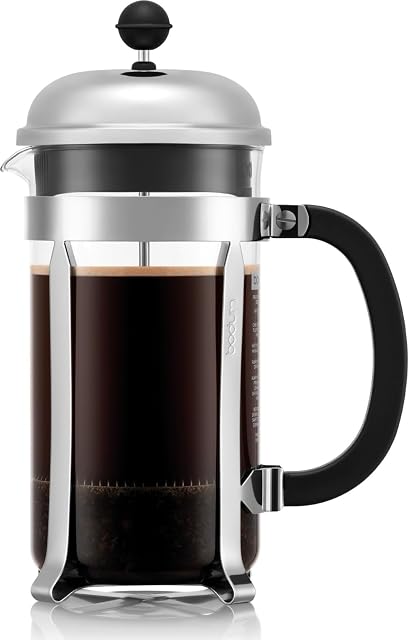
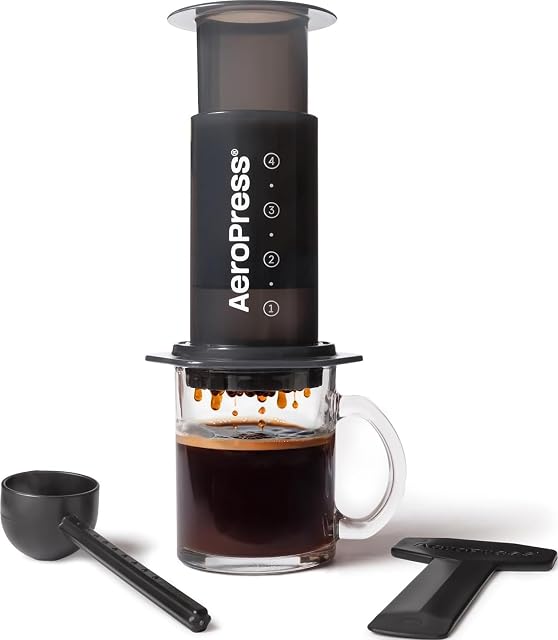
Immersion suits its body — a French press or a long AeroPress. Medium roast. As espresso it is wild and works well in milk.
Longberry and shortberry
Harrar is often sold by bean size, as Longberry, the larger beans, or Shortberry. Longberry is usually considered the better grade. Harrar is also a registered Ethiopian trademark, part of the country’s effort to protect its best-known coffee names in export markets.