Skip to content

Huila

Colombia’s most decorated growing region. Balanced, sweet, caramel and red fruit, with reliable quality across thousands of small farms.

Huila is a department in south-western Colombia and the country’s most consistently decorated growing region. If you have drunk Colombian specialty coffee, there is a good chance it came from here.

The profile

Balanced and sweet: caramel, brown sugar, red apple, and often a red-fruit note. Medium body, clean acidity, and a very approachable structure.

Huila is the coffee people mean when they say a coffee is “well balanced” — nothing dominates, and it works in almost any brewer.

Why it is so consistent

Altitude between 1,200 and 2,000 metres, volcanic soil, and a geography of steep valleys that creates many distinct microclimates.

More importantly: an enormous number of very small farms, most under two hectares, feeding co-operatives and washing stations that have invested heavily in quality control. Colombia’s national federation has spent decades building that infrastructure.

Varieties

Caturra historically, now increasingly Castillo and Colombia — both bred for resistance to coffee leaf rust, which devastated the region in the 2010s. The claim that rust-resistant hybrids taste worse has been widely repeated and is not well supported by blind cupping.

Two harvests

Most of Huila crops twice a year, with a main harvest and a smaller mitaca. That is part of why Colombian coffee is available fresh nearly year-round while single-harvest origins have a season.

Brewing it

Genuinely versatile. It suits filter, immersion and espresso equally, at medium-light to medium roast. It is a good coffee to learn on, because it is forgiving and its sweetness survives a slightly imperfect brew.
Questions people actually ask

Why does Colombia have two harvests?

Its position near the equator and its varied topography give many regions two rainy seasons, so many farms crop a main harvest and a smaller mitaca. It is one reason Colombian coffee is available fresh most of the year.

What is Castillo, and is it worse than Caturra?

Castillo is a Colombian-bred hybrid resistant to coffee leaf rust, which devastated the region. It was long accused of tasting worse than Caturra; blind cupping studies have largely not supported that, and well-grown Castillo cups very well.

What you need to make it

The equipment this actually requires — not a shopping list, the shortest route to doing it properly.

  • The reference pour-over Manual brewers

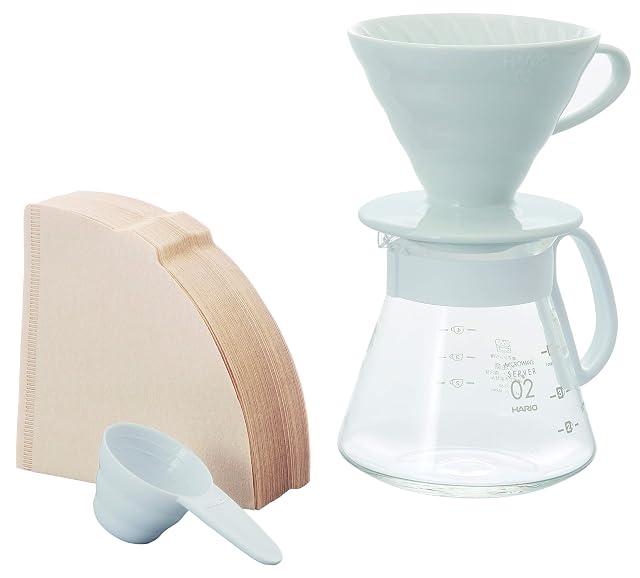
    Hario V60 02 Ceramic

    60° cone · spiral ribs · 1–4 cups

    The most transparent cup you can brew for twenty euros, and the least forgiving. Ceramic holds heat where plastic does not — and the open bottom means your pour, not the dripper, decides the coffee.

    Best for: Someone who wants to taste what a single-origin coffee is actually doing.

    8.2/10

    ≈ $25 / £20 / 22 €

  • Best filter grinder Grinders

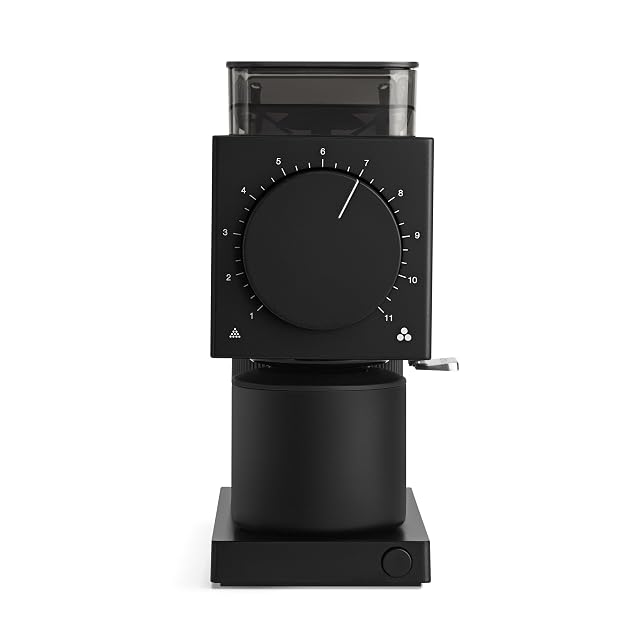
    Fellow Ode Brew Grinder Gen 2

    64 mm flat burr · filter only · single dose

    64 mm flat burrs, near-zero retention and a footprint the size of a mug, built for filter and honest about not doing espresso. For pour-over it is the clearest grind you can buy at this price.

    Best for: V60, Chemex, AeroPress and batch brewing, where clarity is the whole point.

    8.7/10

    ≈ $345 / £275 / 300 €

  • Best pour control Kettles

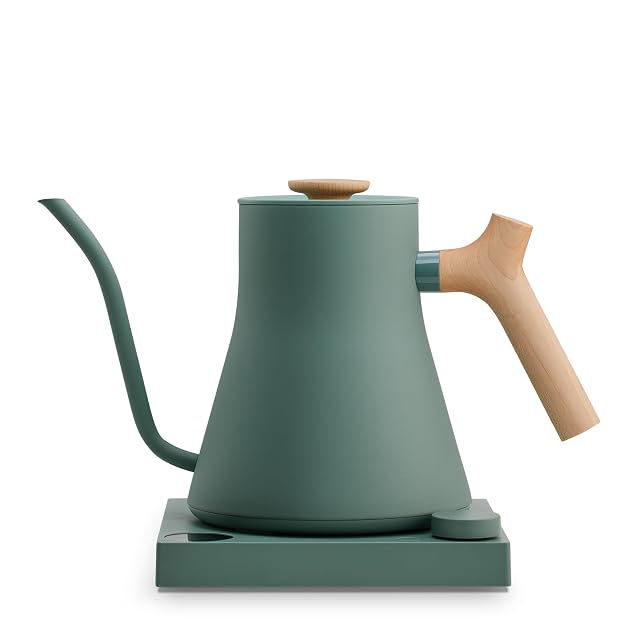
    Fellow Stagg EKG Pro

    0.9 L · ±1 °C hold · counterbalanced gooseneck

    The best-pouring kettle sold, and the hold function matters more than the thermometer. Expensive for boiling water — but if you brew pour-over daily, it is the accessory that most improves the cup.

    Best for: Daily pour-over, where flow rate is the variable you are trying to control.

    8.6/10

    ≈ $195 / £165 / 180 €

  • Best way to start espresso Espresso machines

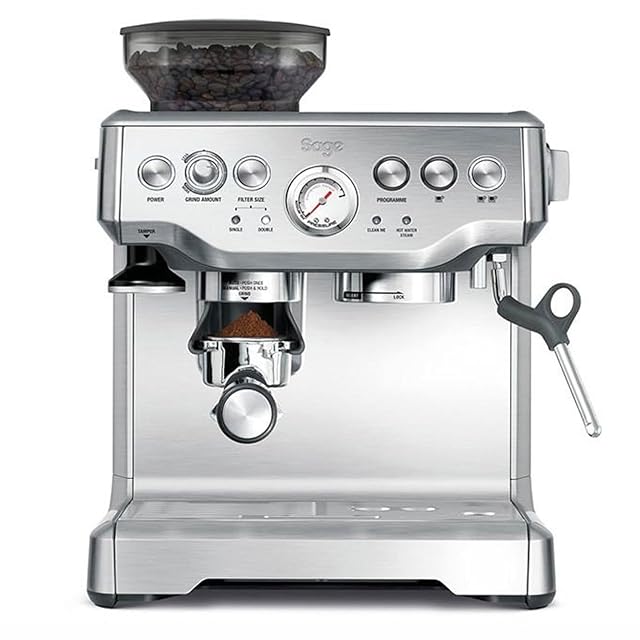
    Sage Barista Express

    54 mm portafilter · built-in conical burr · 2 L tank

    Machine and grinder in one box, at a price that undercuts buying them separately. The compromises are real — 54 mm basket, single boiler, a grinder you will outgrow — but nothing else takes a beginner this far this cheaply.

    Best for: Your first portafilter machine, if you want one purchase rather than a project.

    8.6/10

    ≈ $700 / £550 / 600 €