Café Touba is named after the holy city of Touba and associated with the Mouride Sufi brotherhood, whose founder Cheikh Amadou Bamba is credited with introducing the preparation.
What makes it different
The spice goes in during roasting, not afterwards. Green coffee is roasted together with djar — Guinea pepper, also called Selim pepper — and often cloves, so the spice oils infuse the beans themselves.
The mixture is then ground finely together.
The taste
Peppery and aromatic rather than hot, with a distinct medicinal-floral note from the djar and a clove warmth. Brewed strong and served very sweet in small glasses.
It is unlike any other spiced coffee — the roasting integration produces something more unified than adding spice to a brew.
How it is served
From large kettles at street stalls across Senegal, filtered through cloth, poured from height to aerate, and sold in small plastic cups or glasses.
It is genuinely ubiquitous — the everyday coffee of Dakar.
Making it at home
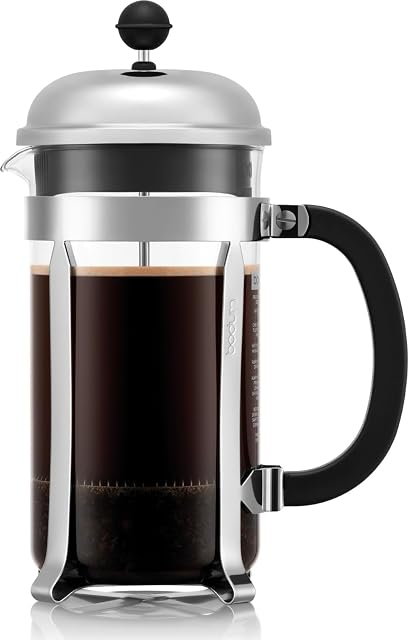
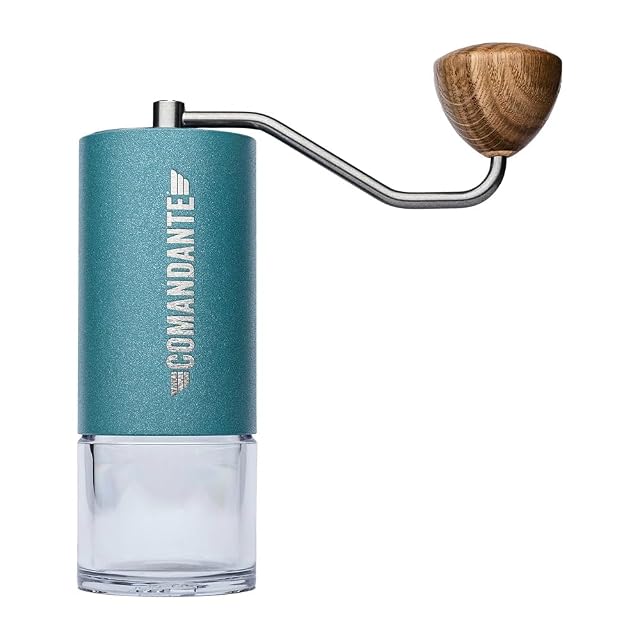
Grind djar with your coffee if you cannot roast together — around one part pepper to ten parts coffee, plus a few cloves. Brew strong in a French press or a cloth filter, and sweeten generously.
The religious dimension
Its association with the Mouride brotherhood makes it a cultural marker as much as a drink.