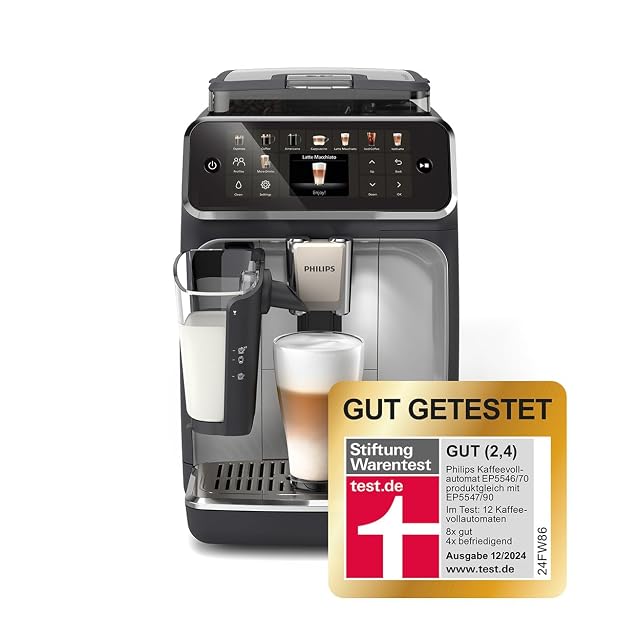
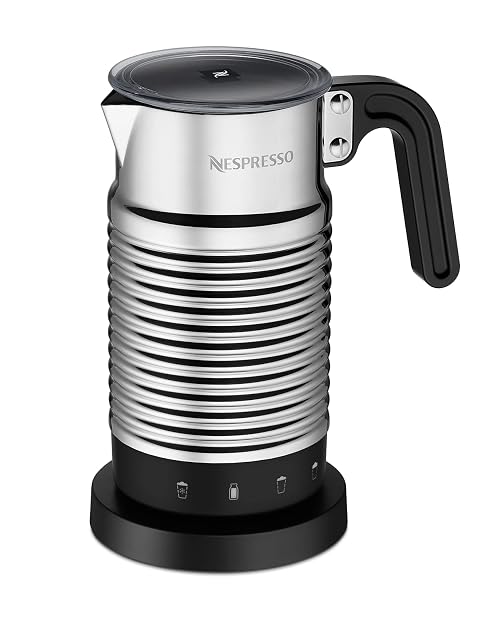
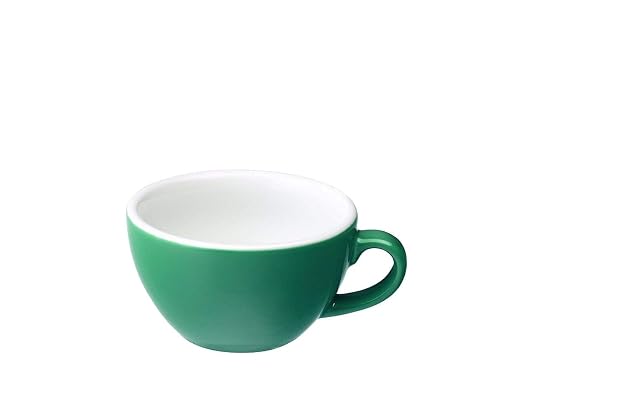
The classic cappuccino is roughly equal thirds: espresso, steamed milk, and a distinct layer of foam. Served in a 150 to 180 ml cup, never a mug.
What the foam is doing
Unlike a flat white, the foam here is a layer rather than something folded through. It should be thick enough to hold a dusting of chocolate on the surface, and to give you foam first and coffee-with-milk underneath.
That contrast is the drink. Take the foam away and you have a small latte.
Why chain cappuccinos disappoint
Scaling a cappuccino to 350 or 450 ml changes it completely. Three times the milk against the same espresso is a latte with a foam cap, and the balance that defines the drink is gone.
If you have concluded that cappuccinos are weak and milky, try one in a proper 150 ml cup. It is a different experience.
The morning convention
In Italy it is a breakfast drink, taken standing at a bar with a pastry, and rarely after about eleven. That is convention, not law — it comes from the idea that a lot of milk sits heavily after a meal.
Making one
Single or double espresso in a warmed 150 to 180 ml cup. Texture around 120 ml of whole milk with a longer stretch than a flat white — five or six seconds — to build a genuine foam layer, then spin to integrate the lower part.
Pour from a height at first so the milk goes underneath, then bring the jug down at the end to let the foam sit on top.
Chocolate on top is northern European rather than Italian, and entirely optional.
Questions people actually ask
Why do Italians not drink cappuccino after lunch?
A cultural convention rather than a rule: milk drinks are considered a breakfast thing, and something heavy to have after a meal. Nobody will stop you, and you may be quietly noticed.
How is it different from a latte?
Foam depth and size. A cappuccino has a thick, distinct foam layer in a small cup; a latte has much more milk and thin foam in a large one.