Skip to content

Cortado

Espresso cut with an equal amount of warm milk, served small in glass. Spanish in origin, and the most espresso-forward milk drink there is.

Cortar means to cut. A cortado is an espresso cut with an equal quantity of warm milk — enough to take the edge off the acidity and nothing like enough to make it a milk drink.

It is served in a small glass, usually around 110 ml, and it is drunk quickly.

The proportions

Roughly one to one. A double espresso of 36 g with 40 to 60 ml of milk. The milk is steamed to about 60 °C and barely textured — you want it silky, not foamy.

That is what separates it from every other milk drink: there is almost no foam, and the coffee is still unmistakably the point.

Why the glass matters

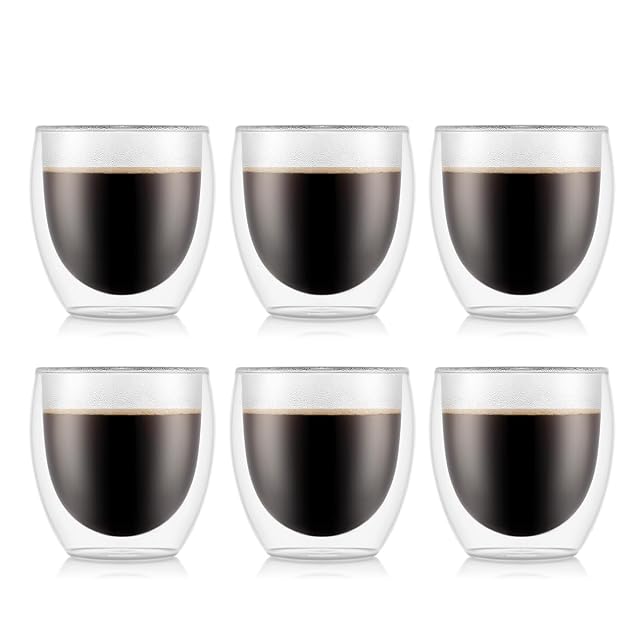
Traditionally a vaso, a small thick glass, sometimes with a metal handle. Glass shows the two layers before you stir, which is part of the pleasure, and the small volume keeps the drink hot to the last mouthful.

Around Spain and beyond

In the Basque Country it is often a ebaki. In Portugal, a pingado is close. In Cuba and Miami, a cortadito adds sugar, often whipped into the first drops of espresso.

Australia’s piccolo latte is a cousin — a ristretto in a small glass topped with textured milk — and is milkier than a true cortado.

Making one

Pull a double, texture 60 ml of milk with a very short stretch and a long spin, and pour it straight in. There is no latte art here; the surface is glossy and plain.

Because there is so little milk, the espresso has nowhere to hide. A cortado made with a badly extracted shot is unpleasant in a way a latte would have concealed.

Questions people actually ask

How is it different from a flat white?

Volume and ratio. A cortado is about 1:1 espresso to milk in a small glass; a flat white is roughly 1:3 in a 150 to 175 ml cup. The cortado is considerably more coffee-forward.

Should a cortado have foam?

Very little. The milk is warmed and lightly textured to cut the acidity, not foamed. A thick foam cap makes it a small cappuccino, which is a different drink.
What you need to make it

The equipment this actually requires — not a shopping list, the shortest route to doing it properly.

  • Best small espresso machine Espresso machines

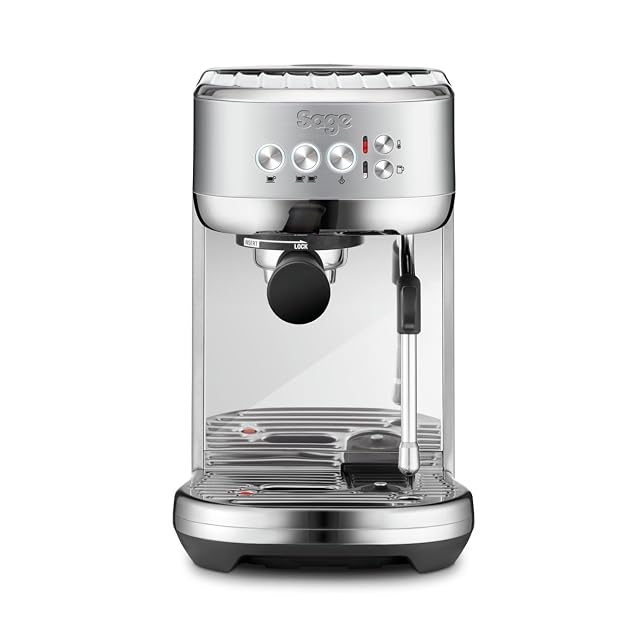
    Sage Bambino Plus

    54 mm · automatic milk texturing · 3 s heat-up

    Ready in three seconds, nineteen centimetres wide, and it textures milk automatically to a temperature you choose. The one espresso machine that suits a small kitchen without pretending grind does not matter.

    Best for: Someone who already owns a grinder, or is buying one, and has no space.

    8.4/10

    ≈ $500 / £380 / 400 €

  • Best pitcher for latte art Milk frothers

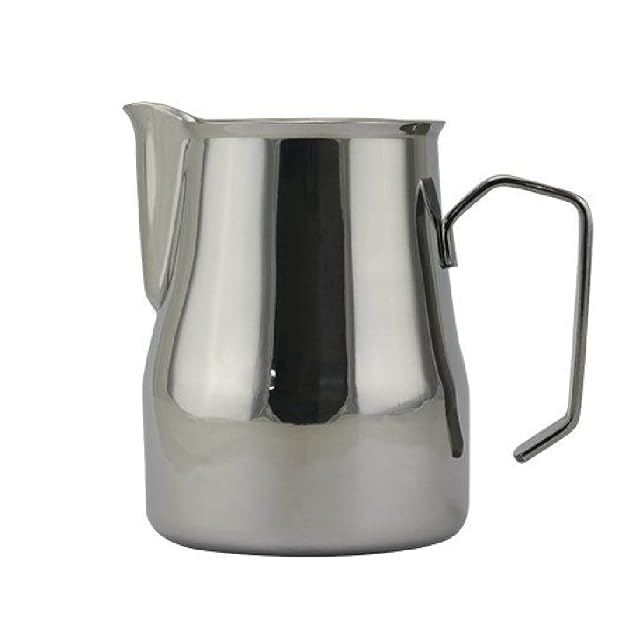
    Motta Europa 500 ml

    18/10 stainless · 500 ml · sharp spout

    The pitcher most European baristas actually use. The sharp, low spout is what puts a pattern on the surface rather than a blob — and it costs less than most people spend on beans in a month.

    Best for: Anyone with a steam wand who has been wondering why their pours look like blobs.

    8.9/10

    ≈ $40 / £30 / 32 €

  • Bodum Pavina double-wall glasses
    Best value glassware

    Bodum Pavina Double-Wall Glasses

    Double-walled borosilicate that keeps a drink hot and the outside cool, and shows the layers of a latte. Cheap enough to replace when one inevitably goes.

    Material
    Borosilicate, double wall
    Sizes
    80 to 450 ml
    Dishwasher
    Yes
    • Double wall keeps drinks hot far longer than a single-wall glass
    • Shows the layers, which matters for a cortado or a latte macchiato
    • Thin borosilicate; they break if knocked against a tap

    Best for: Espresso-based milk drinks, and anyone who likes seeing them.

    8.2/10 ≈ $35 / £28 / 30 €
    Check price on Amazon