Skip to content

Carajillo

Espresso with brandy, rum or anís. A Spanish institution, and in Mexico a completely different drink made with Licor 43.

A carajillo is espresso with a spirit in it. In Spain that usually means brandy, rum or anís, served in a small glass, with or without sugar.

The story

The name is usually traced to Cuba under Spanish rule, where soldiers were said to have added rum to their coffee for corajillo — a little courage — before duty. Like most etymologies of this kind it is probably tidier than the truth, and it has stuck.

The Spanish version

Espresso, 20 to 30 ml of spirit, optionally sugar. Some bars flame the spirit with sugar and a lemon peel first, which burns off some alcohol and caramelises the sugar; others simply pour.

It is a working drink and an after-meal drink, and it is unpretentious.

The Mexican version

Entirely different, and now the more famous of the two. Licor 43 — a Spanish vanilla liqueur — shaken with espresso and poured over a large ice cube. Sweet, cold, vanilla-heavy, and closer to an espresso martini than to the Spanish original.

If you order a carajillo in Mexico City and in Madrid you will receive two unrelated drinks. Both are correct in their own place.

Making one at home

The Spanish way: pull an espresso into a small glass, add brandy to taste, stir, add sugar if you want it.

The Mexican way: 50 ml Licor 43 and a double espresso, shaken hard with ice, strained over a fresh large cube.

Relatives

Italy’s caffè corretto is the same idea with grappa or sambuca. Ireland’s coffee is a longer, creamier cousin.
Questions people actually ask

What spirit should I use?

In Spain, brandy is the most common, with rum and anís close behind. Any of the three is authentic. The point is a spirit with enough character to stand up to espresso rather than disappear into it.

Is the Mexican version the same drink?

No, and it is worth knowing. A Mexican carajillo is Licor 43 shaken with espresso and served over ice — sweet, cold and vanilla-forward. Ordering one in Madrid will get you something quite different.

What you need to make it

The equipment this actually requires — not a shopping list, the shortest route to doing it properly.

  • Best machine to keep Espresso machines

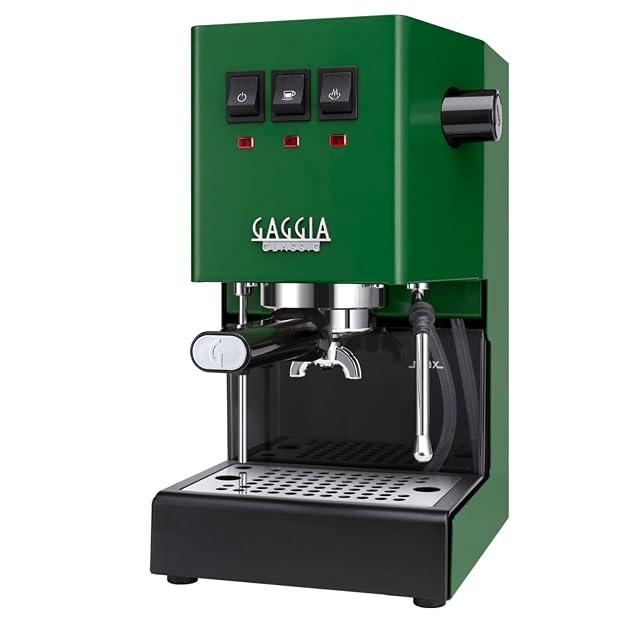
    Gaggia Classic Evo Pro

    58 mm commercial portafilter · 3-way solenoid · steel body

    A 58 mm commercial portafilter, a steel body and a three-way solenoid, in a machine cheap enough to modify. Nothing else at this price is still worth owning in fifteen years, and nothing else has this much of an aftermarket.

    Best for: Someone who wants one espresso machine for the next fifteen years and does not mind learning it.

    8.5/10

    ≈ $500 / £400 / 450 €

  • Bodum Pavina double-wall glasses
    Best value glassware

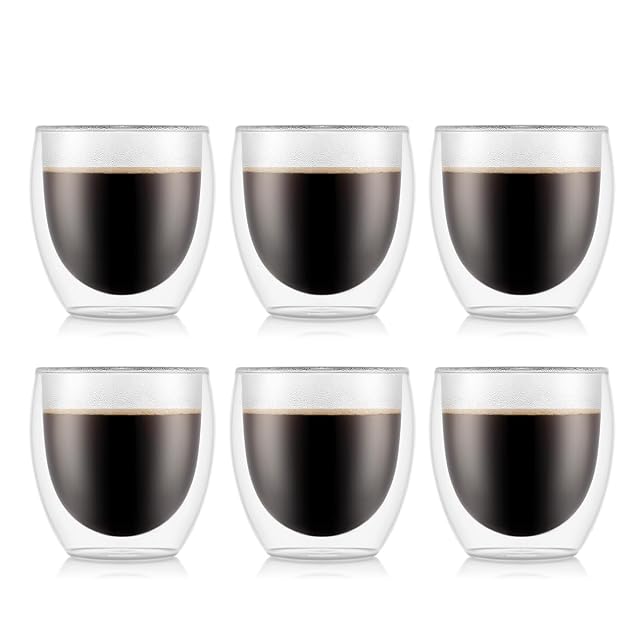
    Bodum Pavina Double-Wall Glasses

    Double-walled borosilicate that keeps a drink hot and the outside cool, and shows the layers of a latte. Cheap enough to replace when one inevitably goes.

    Material
    Borosilicate, double wall
    Sizes
    80 to 450 ml
    Dishwasher
    Yes
    • Double wall keeps drinks hot far longer than a single-wall glass
    • Shows the layers, which matters for a cortado or a latte macchiato
    • Thin borosilicate; they break if knocked against a tap

    Best for: Espresso-based milk drinks, and anyone who likes seeing them.

    8.2/10 ≈ $35 / £28 / 30 €
    Check price on Amazon