Café con leche is roughly equal parts strong coffee and hot milk, served in a large cup or a glass. It is the standard Spanish breakfast coffee, drunk with toast or a pastry, and it is milkier than an Italian cappuccino and less milky than a latte.
The proportions
About one to one. A double espresso or a strong moka brew, and the same volume of milk heated to just below boiling.
The milk is scalded rather than textured — heated and poured, without the deliberate microfoam of a flat white. Some bars steam it and produce a little foam incidentally; that is not the point of the drink.
The coffee underneath
This is where Spanish coffee has a distinct character. Many blends still include torrefacto — beans roasted with sugar added, which caramelises and coats them. It was originally a way of preserving beans and stretching supply, and it produces a dark, bitter, slightly burnt profile that is unmistakably Spanish.
Pure natural roast is increasingly common in specialty cafés, and a mezcla of natural and torrefacto remains the norm in ordinary bars.
- Cortado — espresso cut with a small amount of milk, in a small glass.
- Café solo — a straight espresso.
- Manchado — the reverse of a cortado: milk stained with coffee.
- Café bombón — espresso over sweetened condensed milk.
Making it at home
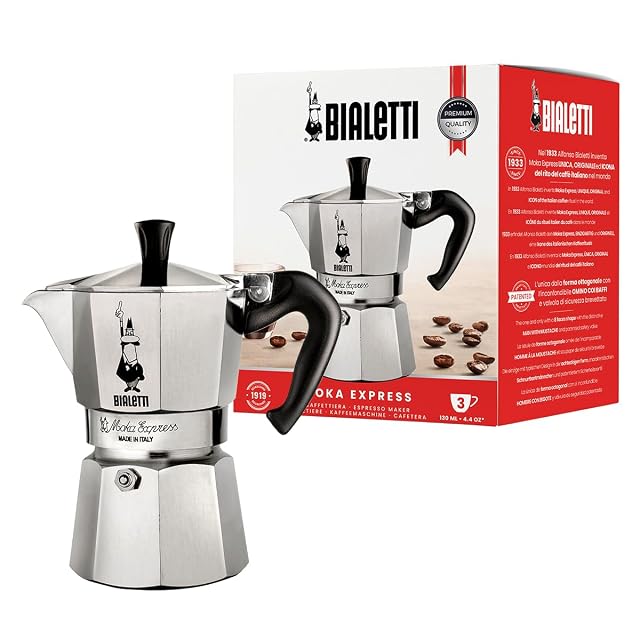
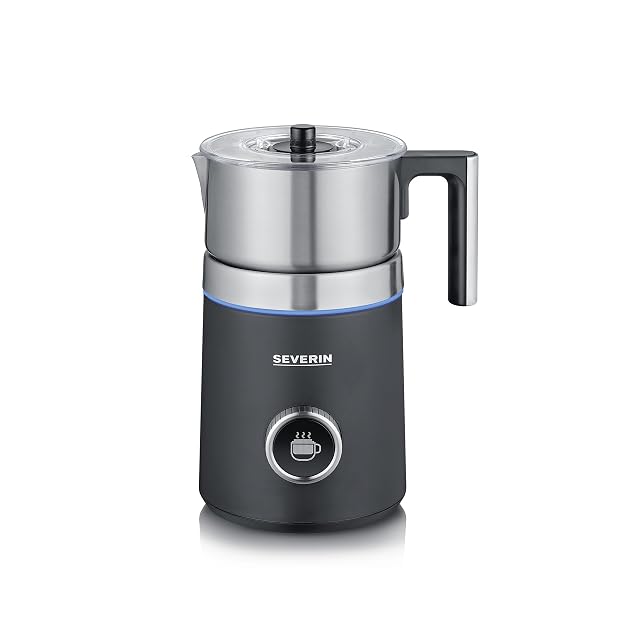
A moka pot is the traditional domestic route and it suits the drink well: strong, thick coffee that stands up to a large volume of milk. Brew it properly — kettle water, low heat, off at the first gurgle — and heat the milk separately to just below boiling.
Questions people actually ask
How is it different from a latte?
Ratio and milk treatment. A café con leche is about 1:1 coffee to milk with the milk scalded rather than textured into microfoam. A latte is far milkier and the milk is foamed.
What is torrefacto coffee?
A Spanish roasting method where sugar is added during roasting, coating the beans in caramelised sugar. It produces a dark, bitter, distinctly Spanish flavour that many café con leche blends still use, usually mixed with natural roast.