A cortadito is Cuban espresso cut with an equal amount of steamed milk. What separates it from a Spanish cortado is the sugar, and specifically when the sugar goes in.
Espuma
The defining Cuban technique. A spoonful of sugar goes into a cup, the first few drops of the espresso are poured onto it, and the two are beaten vigorously with a spoon until they form a pale, thick, caramel-colored foam called espuma.
The rest of the shot is then poured through it, and the espuma rises to the top as a sweet crema.
The drinks built on it
Café cubano (cafecito): the espresso with espuma, alone, in a tiny cup.
Cortadito: that, cut with an equal volume of steamed or evaporated milk.
Colada: a large serving of café cubano with several small plastic cups, meant to be shared — a workplace institution in Miami.
The coffee
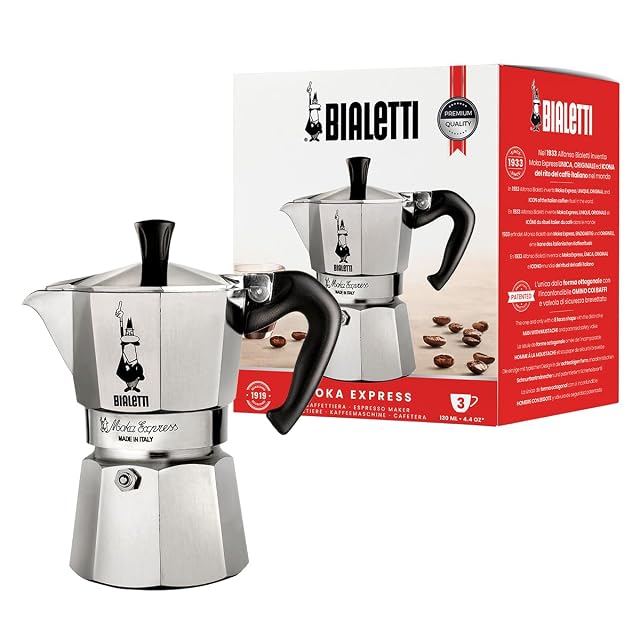
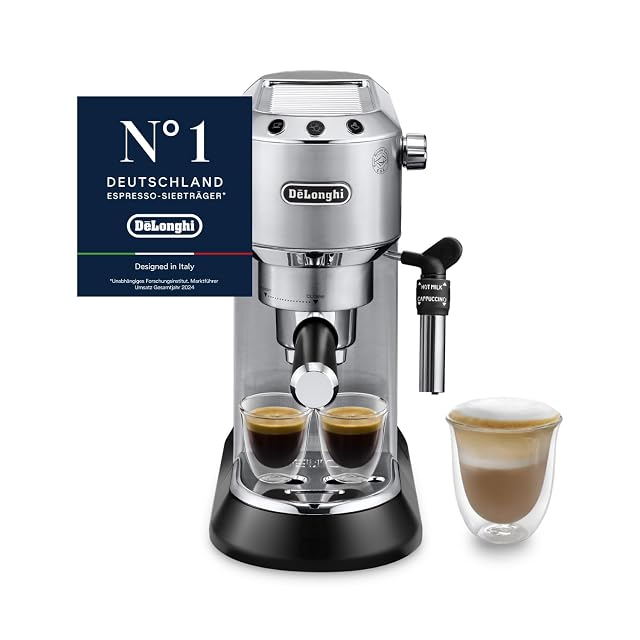
Traditionally dark-roasted, often with robusta, brewed in a moka pot at home and on an espresso machine in a cafe. It is not subtle and it is not meant to be.
Making one
Whip a teaspoon of sugar with the first drops of a double espresso until pale and thick. Pour the rest through. Add an equal volume of steamed milk.
Getting the espuma right
Use plain white sugar and only the first teaspoon or two of coffee: too much liquid and the sugar dissolves instead of whipping. Beat hard for thirty seconds to a minute, until the paste turns light tan and holds its shape. Dark-roast Cuban-style coffee, such as the espresso blends sold in brick packs in US supermarkets, gives the expected taste, and a moka pot works as well as a machine.