Café cubano — cafecito — is espresso with sugar, and the technique is what makes it.
Espuma
A spoonful of sugar goes into a cup. The first few drops of the espresso are poured onto it, and the two are beaten hard with a spoon until they form a thick, pale, caramel-colored paste.
The rest of the shot is poured through, and the espuma rises as a sweet crema layer.
Why it works
Beating sugar with a small quantity of very hot concentrated coffee partially dissolves and aerates it. The result is more stable and more integrated than sugar stirred in afterwards, and it sweetens the whole shot evenly.
The family
Cortadito — this, cut with equal steamed or evaporated milk.
Colada — a large serving with several tiny cups, meant to be shared. A Miami workplace institution.
The coffee
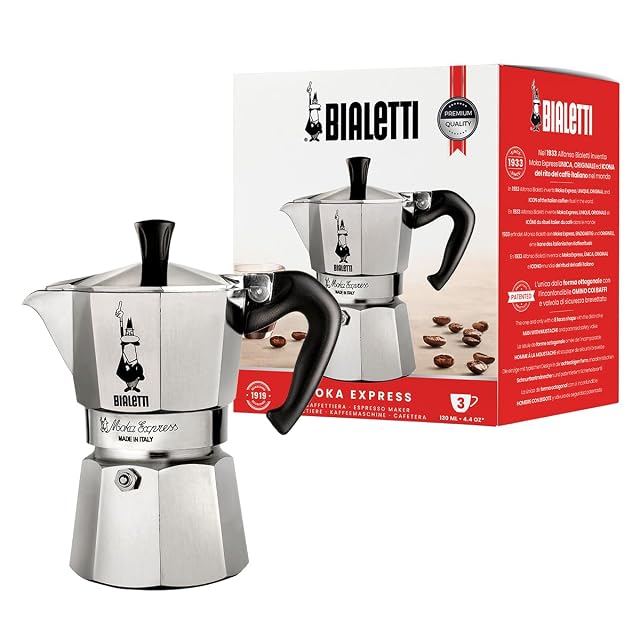
Dark-roasted, often with robusta, and traditionally brewed in a moka pot at home.
Making one
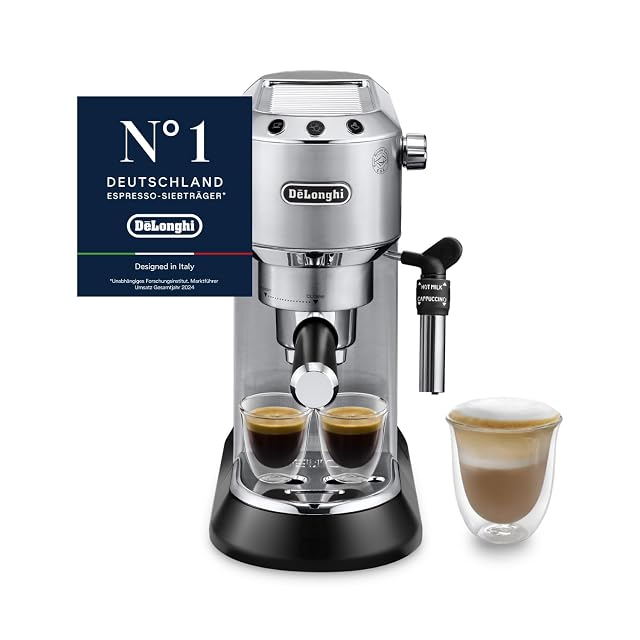
Whip a teaspoon of sugar with the first drops of a double espresso until pale and thick, then pour the rest through.
In Miami
In Miami, café cubano is sold from walk-up windows, the ventanitas, of Cuban cafés and bakeries, often alongside pastelitos. A colada comes in a foam or paper cup with a stack of thimble-sized cups, and offering it around is a gesture of hospitality at work. Ordering a cafecito gets a single small serving, very sweet unless you ask otherwise.
At home
A moka pot is the usual tool in Cuban homes. Keep the first few drops for the sugar by holding a small cup under the spout as soon as coffee appears, then whip and pour as above. Dark-roast espresso blends made for this drink are widely sold in Florida and online.