Anaerobic fermentation seals coffee cherries — whole, depulped, or in various combinations — in airtight tanks so that fermentation happens without oxygen.
It is the most talked-about development in coffee processing of the last decade, and the most divisive.
Why oxygen matters
Fermentation is microbial, and which microbes dominate depends on the environment. Excluding oxygen favours a different population than open-air fermentation, and those microbes produce a different set of compounds.
Producers control temperature, duration, pH and sometimes add specific yeast cultures. It is closer to winemaking than to traditional coffee processing.
What it tastes like
Intense and unusual. Common descriptors include cinnamon, tropical fruit, whisky, rum, bubblegum, and — at the extreme — something close to solvent.
The critical point is that these flavours come from the fermentation, not from the bean or the place. A well-made anaerobic lot can be spectacular. It also tends to taste like an anaerobic lot rather than like Colombia or Ethiopia, which is exactly what some drinkers object to.
The controversy
Two objections are worth taking seriously.
It can mask origin. If the process dominates, the terroir that specialty coffee exists to celebrate becomes irrelevant.
It can mask poor coffee. A strong fermentation profile hides defects that a washed process would expose, and mediocre beans can be sold at high prices on process alone.
Carbonic maceration borrows the winemaking technique of fermenting whole fruit under CO₂. Thermal shock adds hot and cold water cycles. Co-fermentation adds fruit, spices or cultures — the most contested of all.
Brewing it
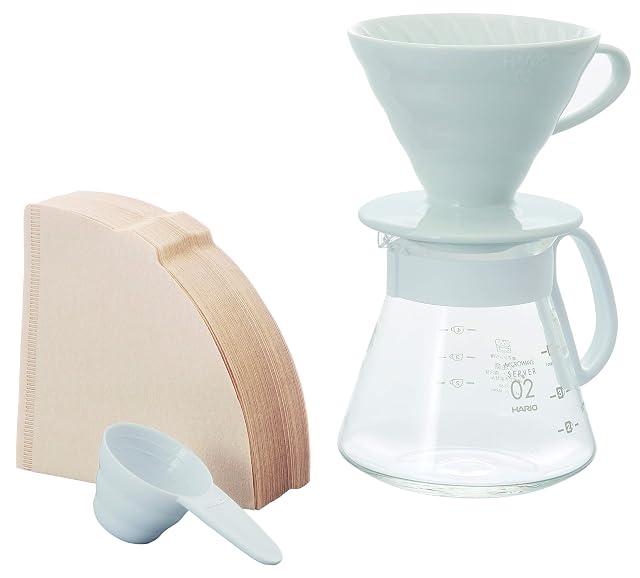
Use a clean, revealing method — a V60 or a Kalita — and brew lighter than you would a natural. These coffees are usually roasted very light and have plenty to give.