Sul de Minas — southern Minas Gerais — produces roughly a third of Brazil’s coffee, which makes it one of the largest coffee regions on earth by volume.
The landscape
Rolling hills between 700 and 1,200 metres, cooler than Cerrado and with more varied terrain. Farms range from very large estates to genuinely small holdings, and both hand and mechanical picking are used depending on the slope.
The profile
Sweet, nutty, mild. Peanut, milk chocolate, caramel, low acidity, medium body. It is the flavour most people have in mind when they picture “coffee” without thinking about it, which is a consequence of how much of the world’s coffee comes from here.
Undramatic, and that is not a criticism — mildness is exactly what makes it work as a base and as an everyday cup.
Quality spread
The name covers an enormous range. Commodity lots destined for supermarket blends sit alongside carefully processed estate coffees that compete internationally.
The region name tells you little. The farm name tells you a great deal. If you are buying Brazilian specialty coffee, look for a named fazenda and a processing description.
Processing
Natural and pulped natural dominate, as across Brazil, thanks to a reliably dry harvest season.
Brewing it
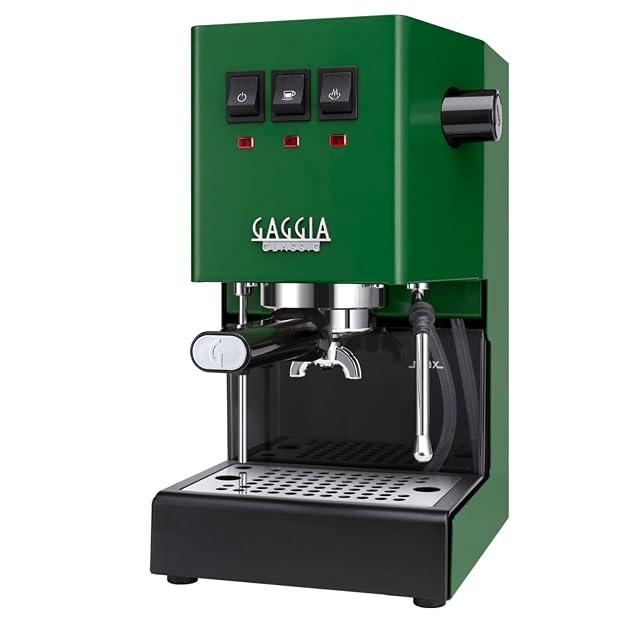
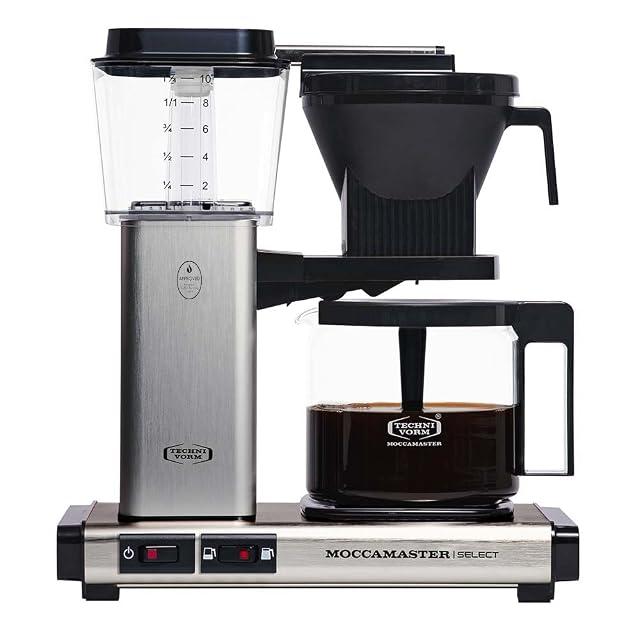
Excellent as espresso, alone or in a blend, where its body and sweetness carry through milk. As batch brew it is comfortable and forgiving — a good everyday filter coffee that does not demand attention.
Medium roast. Very light roasting leaves it flat, since there is less acidity to reveal than in a Kenyan or Ethiopian.