Skip to content

Tarrazú

High-altitude Costa Rican coffee with bright acidity, clean sweetness and a reputation built on meticulous processing.

Tarrazú is a region south of San José in Costa Rica’s Central Valley, and it is the country’s most recognised coffee name.

The profile

Bright and clean: citrus acidity, brown sugar sweetness, medium body, and a clarity that comes from meticulous processing. Well-made Tarrazú is the definition of a well-structured Central American coffee.

Why Costa Rica punches above its size

A deliberate quality strategy. Costa Rica banned the planting of robusta for decades — a ban lifted only recently — staking the entire industry on arabica quality. Few countries have been that categorical.

The micro-mill revolution. Historically farmers sold cherries to large mills and lost all traceability. From the early 2000s, small producers began building their own processing facilities, which meant they could control quality, experiment with processing, and sell under their own names.

That is why so much processing innovation — particularly honey processing — came from here.

Honey processing

Costa Rica popularised the yellow, red and black honey terminology now used worldwide. A honey-processed Tarrazú is sweeter and rounder than a washed one while keeping the clarity.

Altitude

Tarrazú reaches 1,900 metres, and Costa Rica’s SHB grade — Strictly Hard Bean — denotes coffee grown above 1,200 m. Density is part of the character.

Brewing it

Versatile. Filter shows its clarity; espresso works well at medium roast, where its sweetness and structure hold up in milk. A forgiving coffee to dial in.

Questions people actually ask

Why is Costa Rica associated with honey processing?

Costa Rican producers developed and popularised the modern honey processes, and the country’s micro-mill revolution let individual farms process their own coffee and experiment. Much of the honey terminology in use worldwide came from here.

Is robusta grown in Costa Rica?

It was illegal to grow robusta in Costa Rica for decades, a ban lifted only recently. The country staked its reputation entirely on arabica quality, which is unusual and deliberate.
What you need to make it

The equipment this actually requires — not a shopping list, the shortest route to doing it properly.

  • The reference pour-over Manual brewers

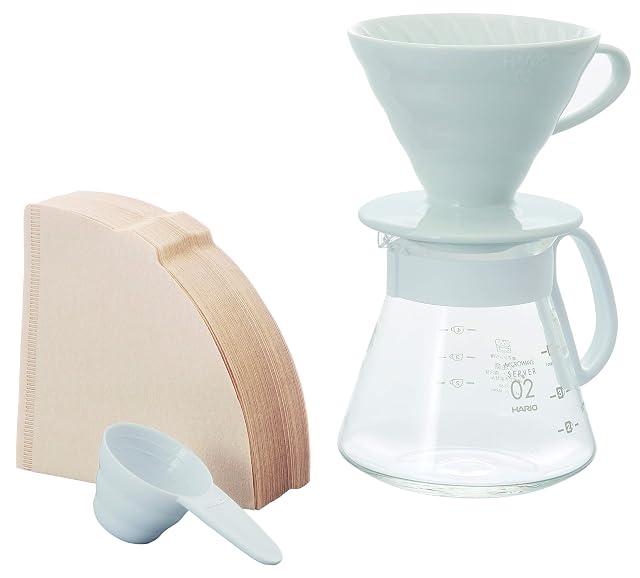
    Hario V60 02 Ceramic

    60° cone · spiral ribs · 1–4 cups

    The most transparent cup you can brew for twenty euros, and the least forgiving. Ceramic holds heat where plastic does not — and the open bottom means your pour, not the dripper, decides the coffee.

    Best for: Someone who wants to taste what a single-origin coffee is actually doing.

    8.2/10

    ≈ $25 / £20 / 22 €

  • Best filter grinder Grinders

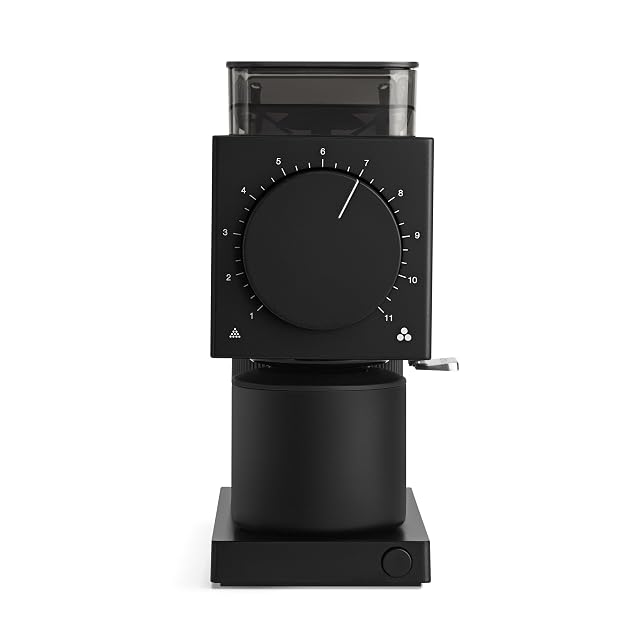
    Fellow Ode Brew Grinder Gen 2

    64 mm flat burr · filter only · single dose

    64 mm flat burrs, near-zero retention and a footprint the size of a mug, built for filter and honest about not doing espresso. For pour-over it is the clearest grind you can buy at this price.

    Best for: V60, Chemex, AeroPress and batch brewing, where clarity is the whole point.

    8.7/10

    ≈ $345 / £275 / 300 €

  • Best pour control Kettles

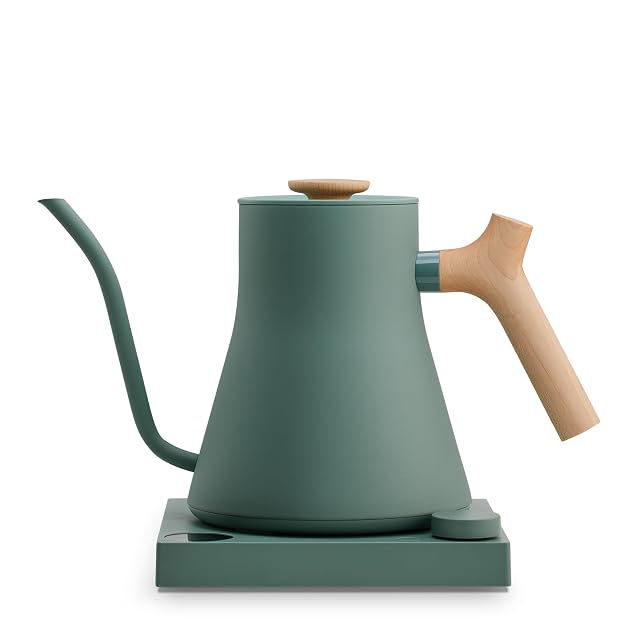
    Fellow Stagg EKG Pro

    0.9 L · ±1 °C hold · counterbalanced gooseneck

    The best-pouring kettle sold, and the hold function matters more than the thermometer. Expensive for boiling water — but if you brew pour-over daily, it is the accessory that most improves the cup.

    Best for: Daily pour-over, where flow rate is the variable you are trying to control.

    8.6/10

    ≈ $195 / £165 / 180 €

  • Best way to start espresso Espresso machines

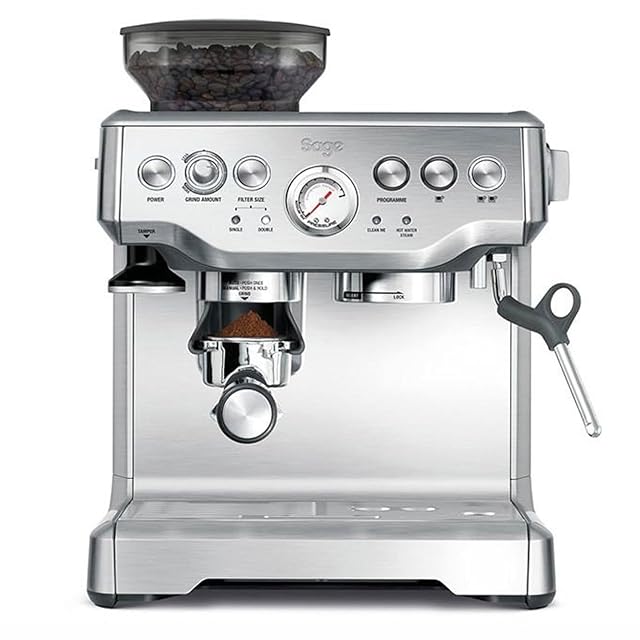
    Sage Barista Express

    54 mm portafilter · built-in conical burr · 2 L tank

    Machine and grinder in one box, at a price that undercuts buying them separately. The compromises are real — 54 mm basket, single boiler, a grinder you will outgrow — but nothing else takes a beginner this far this cheaply.

    Best for: Your first portafilter machine, if you want one purchase rather than a project.

    8.6/10

    ≈ $700 / £550 / 600 €