Skip to content

Papua New Guinea

Highland smallholder coffee descended from Jamaican Blue Mountain seed. Sweet, tropical and full-bodied.

Papua New Guinea’s coffee grows in the central highlands — principally the Eastern Highlands, Western Highlands and Simbu provinces.

The Blue Mountain connection

Much of PNG’s arabica descends from Jamaican Blue Mountain seed imported in the 1920s. That Typica lineage is part of why the coffee is clean and sweet.

The profile

Sweet and tropical: pineapple, citrus, brown sugar, with a full body and moderate acidity. Cleaner than Indonesian coffee despite the geographical proximity, because processing here is mostly washed.

Garden coffee

The overwhelming majority comes from smallholders — often a few hundred trees beside a subsistence garden — who pulp and ferment at home before selling to a mill. Traceability is difficult and quality varies.

Estate and co-operative lots with proper processing are considerably more consistent.

The logistics problem

PNG’s highlands are remote and the roads are poor. Coffee reaching an export port has usually had a difficult journey, and availability in Europe is intermittent.

Brewing it

Filter or immersion at medium roast. Its sweetness and body make it forgiving.
What you need to make it

The equipment this actually requires — not a shopping list, the shortest route to doing it properly.

  • The reference pour-over Manual brewers

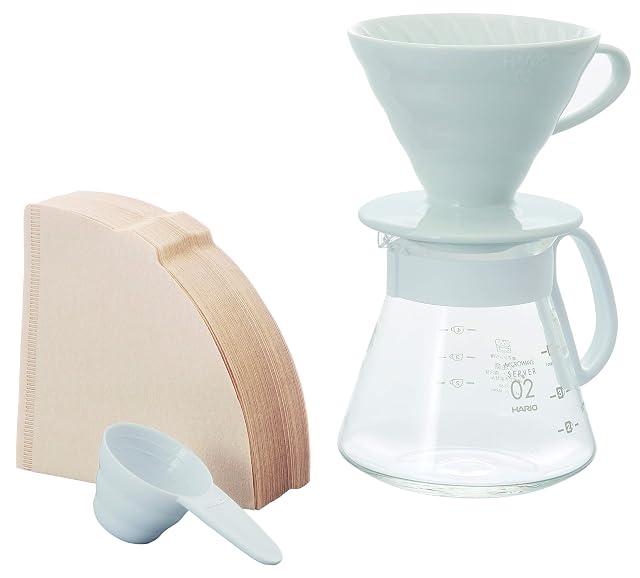
    Hario V60 02 Ceramic

    60° cone · spiral ribs · 1–4 cups

    The most transparent cup you can brew for twenty euros, and the least forgiving. Ceramic holds heat where plastic does not — and the open bottom means your pour, not the dripper, decides the coffee.

    Best for: Someone who wants to taste what a single-origin coffee is actually doing.

    8.2/10

    ≈ $25 / £20 / 22 €

  • Best filter grinder Grinders

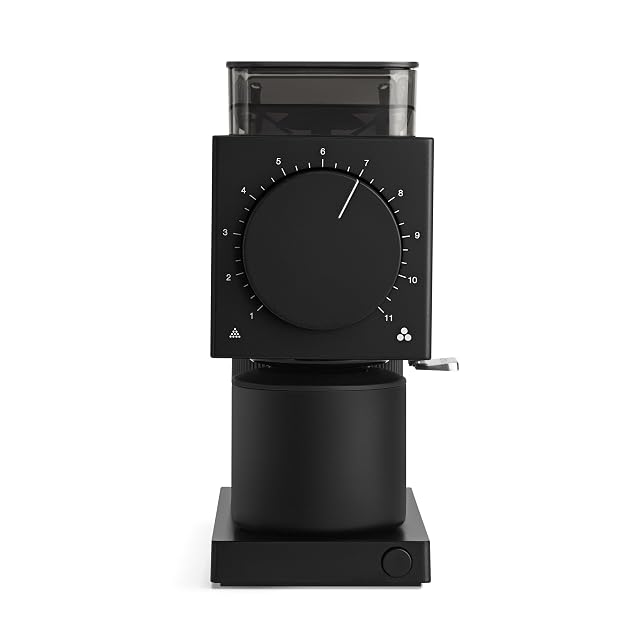
    Fellow Ode Brew Grinder Gen 2

    64 mm flat burr · filter only · single dose

    64 mm flat burrs, near-zero retention and a footprint the size of a mug, built for filter and honest about not doing espresso. For pour-over it is the clearest grind you can buy at this price.

    Best for: V60, Chemex, AeroPress and batch brewing, where clarity is the whole point.

    8.7/10

    ≈ $345 / £275 / 300 €

  • Best pour control Kettles

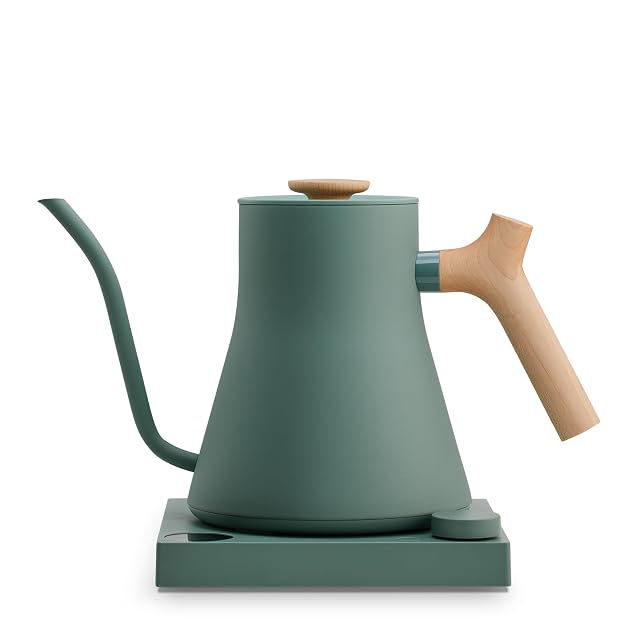
    Fellow Stagg EKG Pro

    0.9 L · ±1 °C hold · counterbalanced gooseneck

    The best-pouring kettle sold, and the hold function matters more than the thermometer. Expensive for boiling water — but if you brew pour-over daily, it is the accessory that most improves the cup.

    Best for: Daily pour-over, where flow rate is the variable you are trying to control.

    8.6/10

    ≈ $195 / £165 / 180 €