Sumatra Mandheling is the classic Indonesian coffee, and it is the most divisive origin in this encyclopedia. People either love it or find it undrinkable, and both reactions are reasonable.
The profile
Very low acidity, heavy syrupy body, and a savoury, earthy character: cedar, tobacco, forest floor, herbs, sometimes a green-pepper note. Chocolate and dried fruit underneath.
Nothing else tastes like it.
Where it comes from
Not from acidity-suppressing altitude or an unusual variety, but from wet-hulling — giling basah — a processing method used almost nowhere else. The parchment is stripped while the bean is still at 30 to 50 per cent moisture and the naked bean finishes drying exposed.
That exposure is what produces the profile. The beans even look different: a dark blue-green rather than pale jade.
The name
Mandheling refers to the Mandailing people of northern Sumatra rather than a strictly bounded region. It functions as a trade name for wet-hulled northern Sumatran coffee, which means it is broad and inconsistently applied.
Gayo, from the Aceh highlands, is a related and often cleaner-tasting neighbour.
Consistency
Wet-hulling runs closer to the edge than any other traditional process. The line between complex-and-earthy and mouldy is genuinely narrow, and lot-to-lot variation is high.
Brewing it
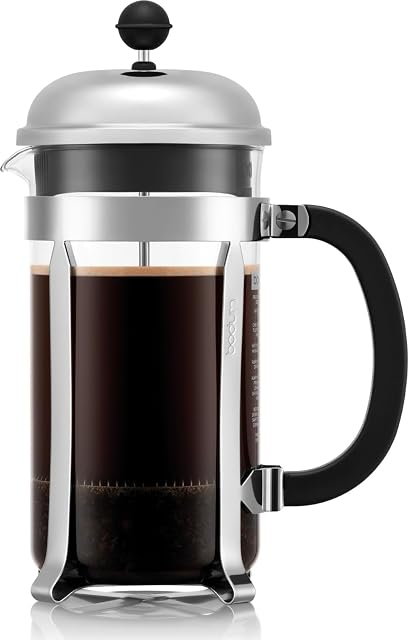
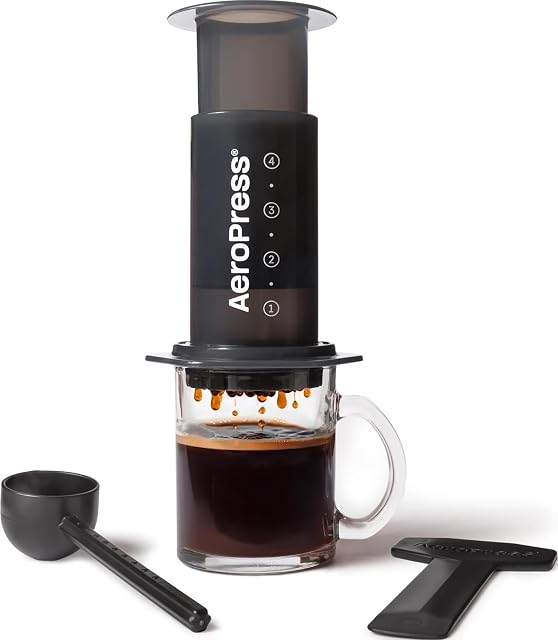
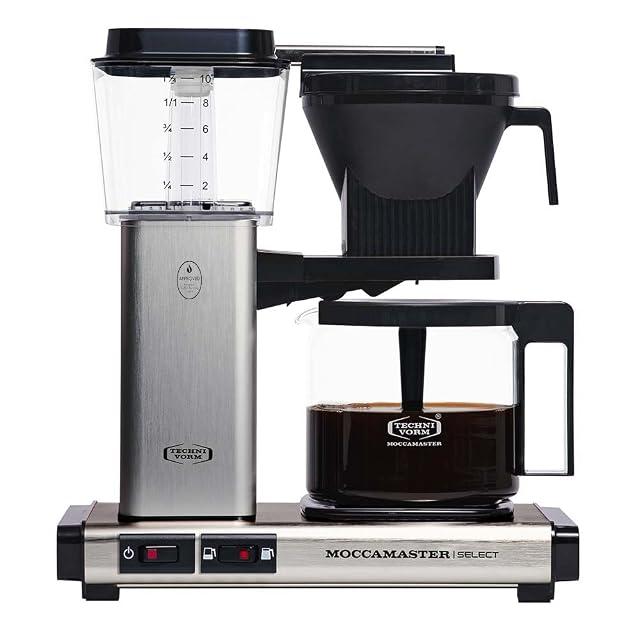
Immersion suits it: French press, AeroPress, batch brew. Its body is the point and its low acidity means paper filtering strips more than it gains.
It is also the traditional backbone of dark espresso blends, where its heaviness carries through milk better than almost anything.