Skip to content

Misuku Hills

High-altitude smallholder coffee from northern Malawi, including genuine old Geisha plantings. Bright and tea-like.

The Misuku Hills in northern Malawi, near the Tanzanian border, produce the country’s best coffee at 1,700 to 2,000 metres.

The profile

Bright and delicate: citrus, tea-like florals, a light body and a clean finish. Closer to an Ethiopian or a high-altitude Kenyan than to most of southern Africa.

The Geisha

Malawi has genuine Geisha plantings, distributed through research stations decades ago and grown quietly ever since. These lots predate the Panamanian boom and are sold at a fraction of Panamanian prices.

Whether they express the variety as dramatically depends on the plot, and they are among the more interesting value propositions in specialty coffee.

Smallholder co-operatives

Malawian coffee comes almost entirely from very small farms organised into co-operatives, with centralised washing. The Mzuzu co-operative union handles much of the northern crop.

Volumes

Very small. Malawi produces a tiny fraction of what Kenya or Ethiopia does, and availability is intermittent.

The other regions

Thyolo, Mulanje and Nkhata Bay also grow coffee, generally lower and less distinguished than Misuku.

Brewing it

Filter, light roast, a clean brewer. Delicacy is the point.
What you need to make it

The equipment this actually requires — not a shopping list, the shortest route to doing it properly.

  • The reference pour-over Manual brewers

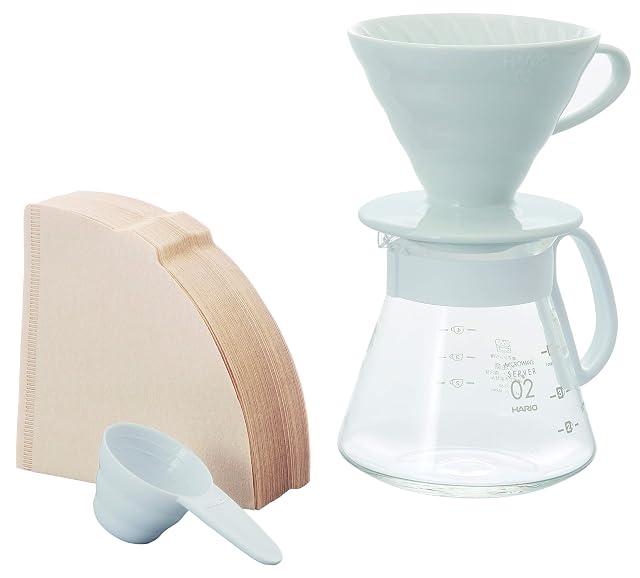
    Hario V60 02 Ceramic

    60° cone · spiral ribs · 1–4 cups

    The most transparent cup you can brew for twenty euros, and the least forgiving. Ceramic holds heat where plastic does not — and the open bottom means your pour, not the dripper, decides the coffee.

    Best for: Someone who wants to taste what a single-origin coffee is actually doing.

    8.2/10

    ≈ $25 / £20 / 22 €

  • Best filter grinder Grinders

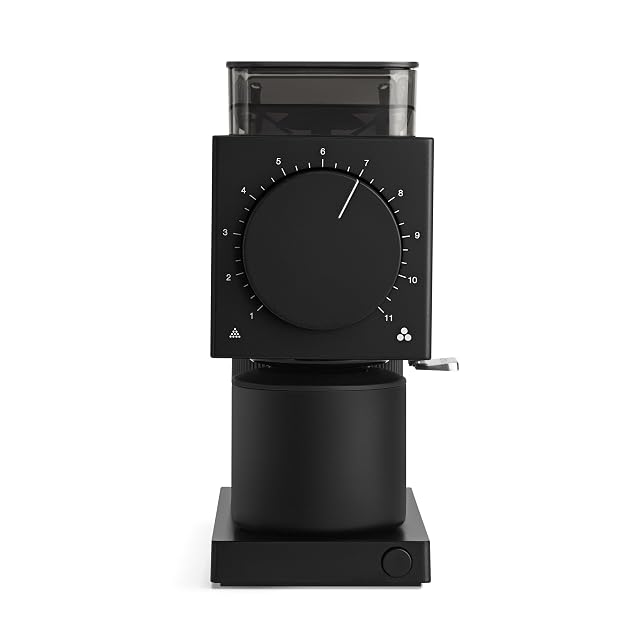
    Fellow Ode Brew Grinder Gen 2

    64 mm flat burr · filter only · single dose

    64 mm flat burrs, near-zero retention and a footprint the size of a mug, built for filter and honest about not doing espresso. For pour-over it is the clearest grind you can buy at this price.

    Best for: V60, Chemex, AeroPress and batch brewing, where clarity is the whole point.

    8.7/10

    ≈ $345 / £275 / 300 €

  • Best pour control Kettles

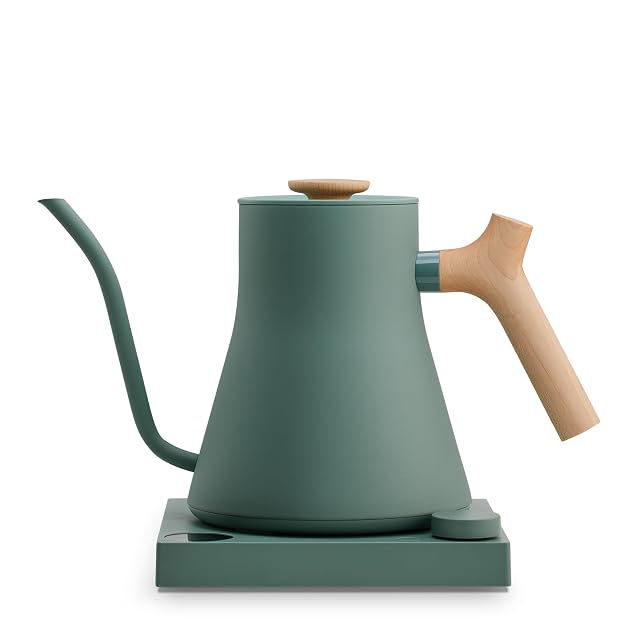
    Fellow Stagg EKG Pro

    0.9 L · ±1 °C hold · counterbalanced gooseneck

    The best-pouring kettle sold, and the hold function matters more than the thermometer. Expensive for boiling water — but if you brew pour-over daily, it is the accessory that most improves the cup.

    Best for: Daily pour-over, where flow rate is the variable you are trying to control.

    8.6/10

    ≈ $195 / £165 / 180 €