A caffè latte is espresso with a large quantity of steamed milk and a thin layer of foam. It is the mildest of the espresso milk drinks and by a distance the most popular.
Proportions
One or two shots into 200 to 300 ml of steamed milk, with roughly a centimetre of foam on top. Total volume 220 to 350 ml, usually in a glass or a tall mug.
The coffee is a background note. That is the point — a latte is a comfortable drink rather than a coffee-forward one.
The name
Latte is Italian for milk. Ordering “a latte” in Italy will get you a glass of milk and a raised eyebrow. The drink is a caffè latte, and in Italy it is a home breakfast thing rather than a bar order.
The modern latte as most of the world knows it — large, in a glass, with art poured on top — is an American and Australian development.
Getting it right at home
Use a double shot. The single most common reason a home latte tastes like warm milk is a single shot lost in 250 ml.
Texture rather than just heat the milk. Even a thin foam layer needs a proper stretch and spin; milk simply heated tastes flat and separates.
Stop at 60 to 65 °C. Overheating is what makes home lattes taste cooked.
Latte macchiato
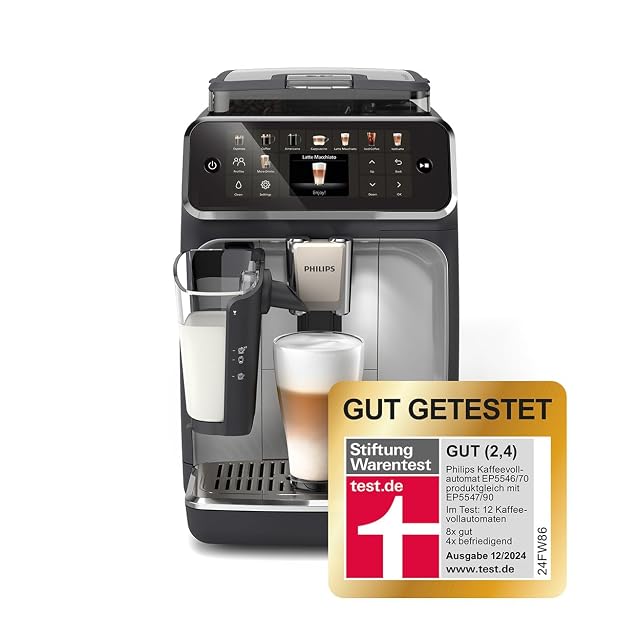
A different drink despite the name. The milk goes in first and the espresso is poured through it, so you get visible layers in a tall glass. It is milkier still, and it is what most machines mean by their “latte macchiato” button.
Questions people actually ask
If I order a “latte” in Italy, what do I get?
A glass of milk. *Latte* means milk. Ask for a *caffè latte* if you want coffee in it.
Why is my home latte weaker than a café one?
Usually shot count. Cafés commonly use a double in a large latte and many home users use a single. Two shots in 250 ml of milk is a completely different drink from one.