A lungo is a long espresso: more water forced through the same dose during the shot itself, typically 50 to 60 grams from 18 g of coffee.
What changes
Extraction continues for longer, so more is pulled out of the coffee. That brings more of the aromatic compounds that arrive late, and it also brings the dry, bitter ones. A lungo is lighter in body than an espresso and more prone to harshness.
The critical distinction
A lungo is not an americano. An americano is a normal espresso with hot water added afterwards — the extraction is unchanged, just diluted. A lungo genuinely extracts further.
The practical difference is that an americano tastes like a weaker espresso and a lungo tastes like a differently extracted one. Anyone who finds lungos harsh and americanos pleasant is tasting exactly that.
Making one well
Light roasts suit it, because they have more to give before running out. Dark roasts turn bitter quickly.
Grind a step coarser than for espresso, so the longer volume does not mean an excessively long time. Aim for 35 to 45 seconds; well past a minute and you are extracting the parts nobody wants.
Where you will meet it
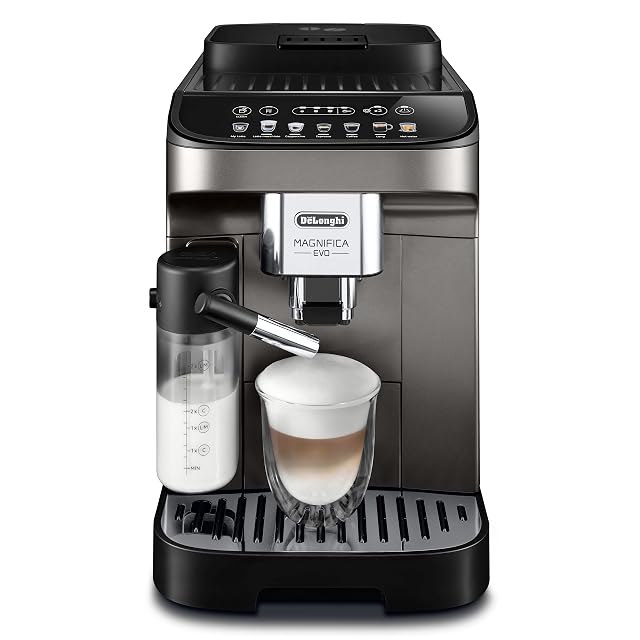
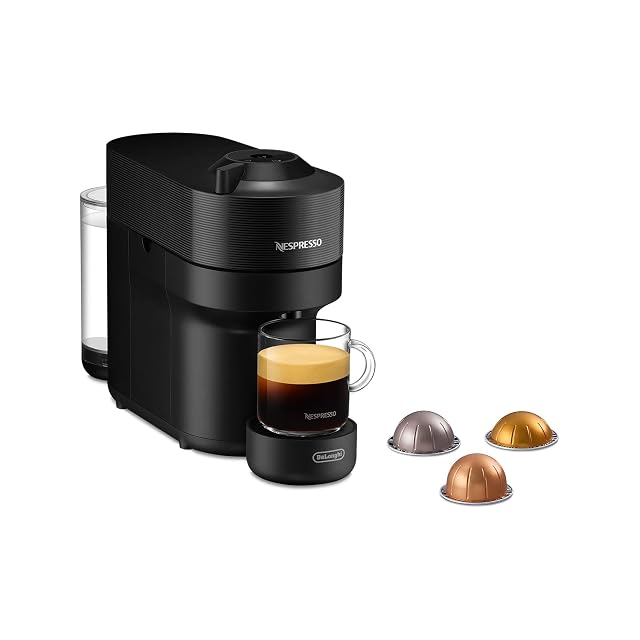
It is the standard long drink in much of continental Europe and the default long setting on most bean-to-cup machines. Nespresso’s Vertuo system, which spins the capsule rather than pressing water through it, was built specifically to make long coffee that does not go harsh.
Questions people actually ask
Lungo or americano — what is the difference?
A lungo pushes more water through the coffee during the shot. An americano is a normal espresso with hot water added afterwards. The lungo extracts further and can turn bitter; the americano is simply diluted and keeps the espresso’s character.
Why does my lungo taste bitter?
Because it runs past the sweet spot. Try a step coarser and a shorter time, or use a lighter roast — dark roasts reach bitterness much sooner.