Skip to content

Marocchino

A small glass with cocoa, espresso and a spoonful of milk foam, from Alessandria in Piedmont. Not a mocha, and much better.

A marocchino is a small glass with cocoa powder dusted inside it, a single espresso poured over, a spoonful of milk foam on top, and another dusting of cocoa.

It comes from Alessandria in Piedmont, where it was reportedly created at Bar Carpano. The name refers to the colour rather than to Morocco — a shade of leather then fashionable in northern Italy.

Why it is better than it sounds

The cocoa goes on the glass first, so the espresso dissolves it on the way in rather than sitting on top as powder. The foam is a spoonful, not a jug. The whole thing is espresso-sized.

The result is a coffee with a chocolate note rather than a chocolate drink with coffee in it — the opposite of a mocha, in a good way.

Making one

Dust the inside of a small clear glass with cocoa. Pull a single espresso into it. Add a spoonful of well-textured milk foam. Dust the top with more cocoa.

Some versions in Piedmont use a layer of gianduja — the local hazelnut chocolate — in the base instead of cocoa, which is worth doing if you can find it.

Regional variations

In Alessandria itself the traditional version is stricter about the glass and the layering. Elsewhere in Piedmont and Lombardy you will find versions with more milk, closer to a small cappuccino with chocolate.

Ordering a marocchino in southern Italy may produce a blank look, or a different drink entirely — it is genuinely a northern speciality.

Questions people actually ask

Is a marocchino the same as a mocha?

No. A mocha is a large milk drink with chocolate mixed in. A marocchino is an espresso-sized drink in a small glass: cocoa dusted on the glass, espresso, a spoonful of foam and more cocoa on top. Far more coffee-forward.

Why is it called Moroccan?

The usual explanation is the colour — the drink resembled a shade of leather made in Morocco that was fashionable in Piedmont at the time. Nothing about the recipe is Moroccan.
What you need to make it

The equipment this actually requires — not a shopping list, the shortest route to doing it properly.

  • Best machine to keep Espresso machines

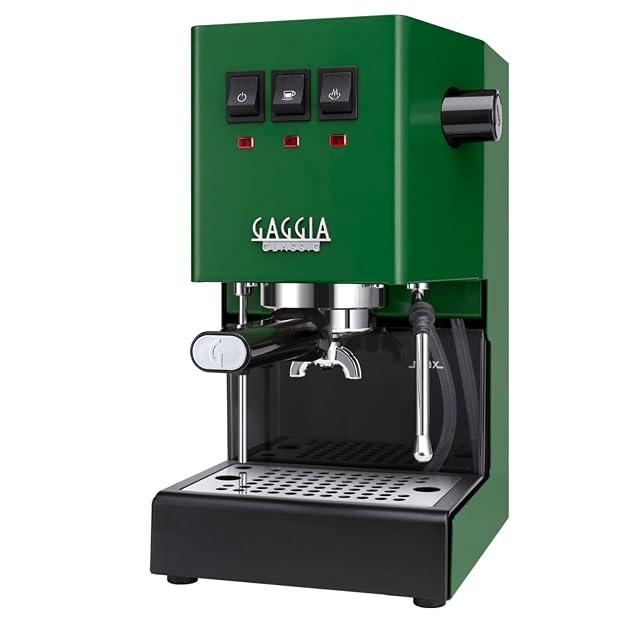
    Gaggia Classic Evo Pro

    58 mm commercial portafilter · 3-way solenoid · steel body

    A 58 mm commercial portafilter, a steel body and a three-way solenoid, in a machine cheap enough to modify. Nothing else at this price is still worth owning in fifteen years, and nothing else has this much of an aftermarket.

    Best for: Someone who wants one espresso machine for the next fifteen years and does not mind learning it.

    8.5/10

    ≈ $500 / £400 / 450 €

  • Best pitcher for latte art Milk frothers

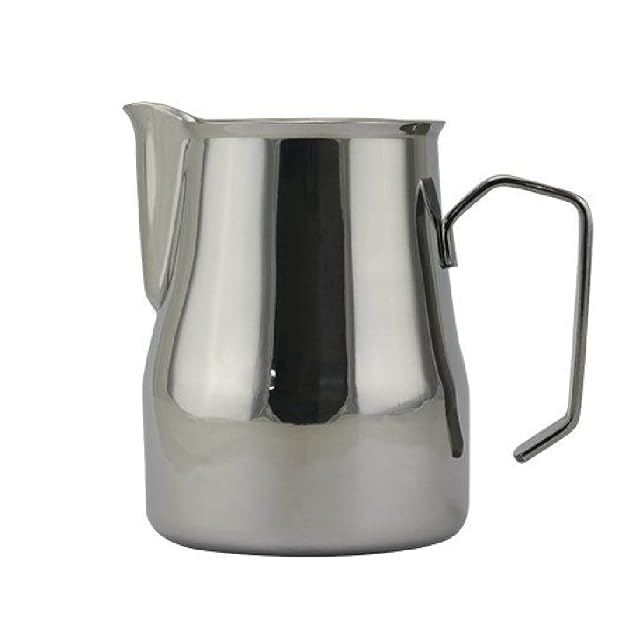
    Motta Europa 500 ml

    18/10 stainless · 500 ml · sharp spout

    The pitcher most European baristas actually use. The sharp, low spout is what puts a pattern on the surface rather than a blob — and it costs less than most people spend on beans in a month.

    Best for: Anyone with a steam wand who has been wondering why their pours look like blobs.

    8.9/10

    ≈ $40 / £30 / 32 €

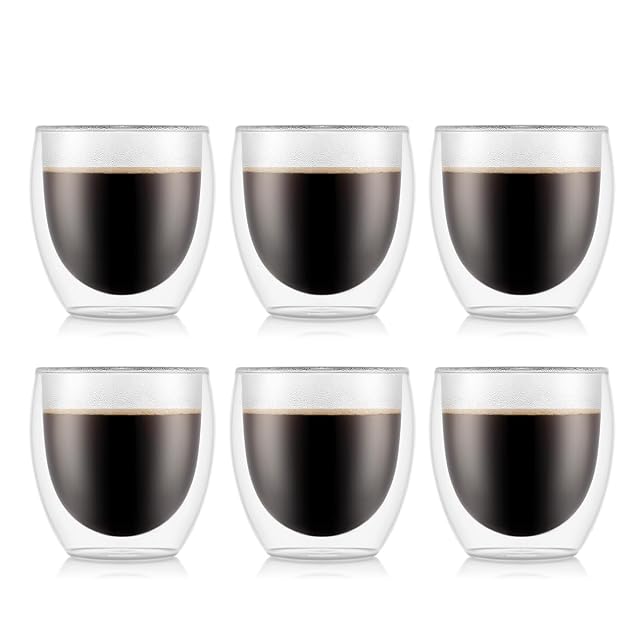
  • Bodum Pavina double-wall glasses
    Best value glassware

    Bodum Pavina Double-Wall Glasses

    Double-walled borosilicate that keeps a drink hot and the outside cool, and shows the layers of a latte. Cheap enough to replace when one inevitably goes.

    Material
    Borosilicate, double wall
    Sizes
    80 to 450 ml
    Dishwasher
    Yes
    • Double wall keeps drinks hot far longer than a single-wall glass
    • Shows the layers, which matters for a cortado or a latte macchiato
    • Thin borosilicate; they break if knocked against a tap

    Best for: Espresso-based milk drinks, and anyone who likes seeing them.

    8.2/10 ≈ $35 / £28 / 30 €
    Check price on Amazon