Java gave coffee one of its nicknames, and it was where the Dutch first cultivated coffee at scale outside Arabia in the seventeenth century.
Different from Sumatra
Java’s government-run estates — Blawan, Jampit, Pancoer and others — use washed processing rather than the wet-hulling that defines Sumatran coffee.
The result is considerably cleaner: still full-bodied and earthy, and without the aggressive cedar and forest-floor character of a Mandheling.
The profile
Full body, low acidity, with herbal and nutty notes and a chocolate finish. Rounder and more restrained than other Indonesian coffee.
Aged Java
An old practice, still occasionally found: green coffee deliberately stored in warehouses for two or three years, developing a heavy, syrupy, spiced character with almost no acidity. Divisive and genuinely distinctive.
Mocha Java
The oldest coffee blend in the world — Yemeni Mokha with Javanese coffee, combining Yemen’s wildness with Java’s body. Most bags sold under the name today contain neither.
Brewing it
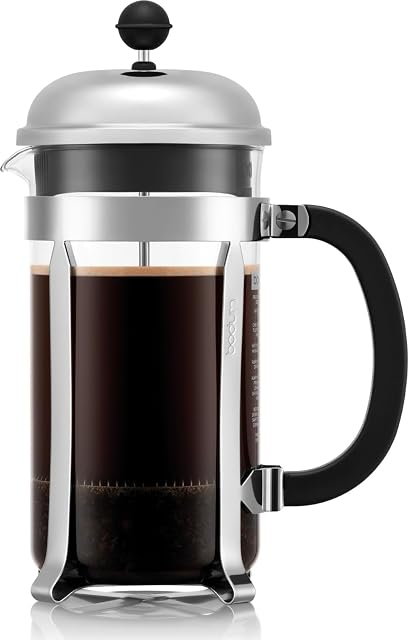
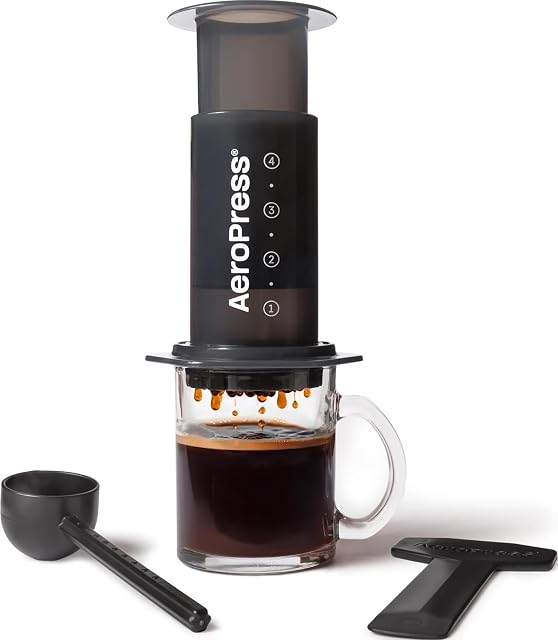
Immersion or batch brew at medium to medium-dark roast. Its body is the point.