Skip to content

Kilimanjaro

Grown on volcanic slopes below Kilimanjaro. Bright and clean with a Kenyan character, and usually cheaper than its neighbour.

Tanzanian coffee from the slopes of Kilimanjaro and the neighbouring Meru shares a border and a good deal of character with Kenya.

The profile

Bright and clean with blackcurrant and citrus notes, medium body, and a crisp finish. Recognisably East African, generally a little softer and less intense than Kenyan coffee from Nyeri.

Why it resembles Kenya

Similar altitude, similar volcanic soils, and overlapping varieties — Bourbon and Kent, plus Tanzanian selections. Processing is predominantly washed, using the same double-fermentation approach.

Value

Tanzania lacks Kenya’s auction system and its marketing reach, so comparable quality frequently costs less. For anyone who likes Kenyan coffee and finds the prices steep, this is the obvious place to look.

Peaberry

Tanzania markets peaberry lots heavily — beans where only one seed developed in the cherry, so it is round rather than flat. They are sorted separately and sold at a premium. The claim that they taste better is not well supported; they do roast slightly differently because of the shape.

Brewing it

Filter, light to medium roast, a clean brewer that shows acidity.
What you need to make it

The equipment this actually requires — not a shopping list, the shortest route to doing it properly.

  • The reference pour-over Manual brewers

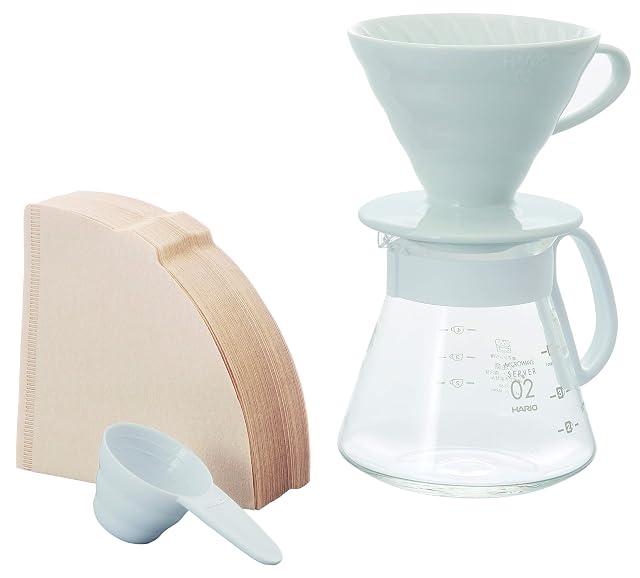
    Hario V60 02 Ceramic

    60° cone · spiral ribs · 1–4 cups

    The most transparent cup you can brew for twenty euros, and the least forgiving. Ceramic holds heat where plastic does not — and the open bottom means your pour, not the dripper, decides the coffee.

    Best for: Someone who wants to taste what a single-origin coffee is actually doing.

    8.2/10

    ≈ $25 / £20 / 22 €

  • Best filter grinder Grinders

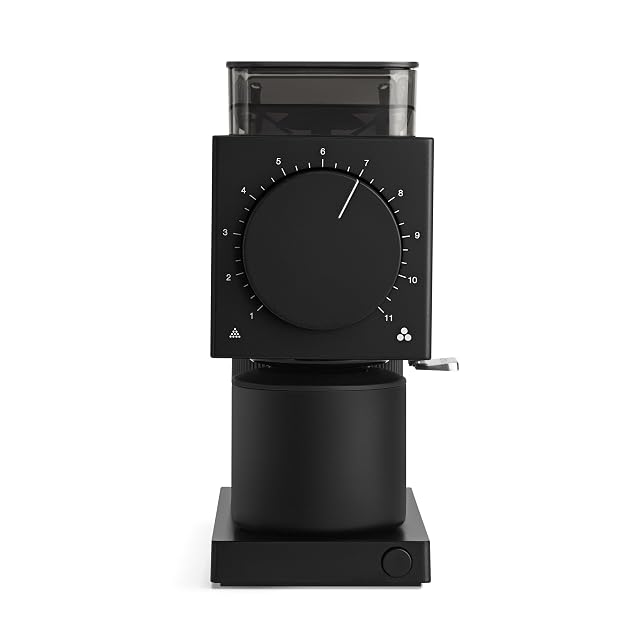
    Fellow Ode Brew Grinder Gen 2

    64 mm flat burr · filter only · single dose

    64 mm flat burrs, near-zero retention and a footprint the size of a mug, built for filter and honest about not doing espresso. For pour-over it is the clearest grind you can buy at this price.

    Best for: V60, Chemex, AeroPress and batch brewing, where clarity is the whole point.

    8.7/10

    ≈ $345 / £275 / 300 €

  • Best pour control Kettles

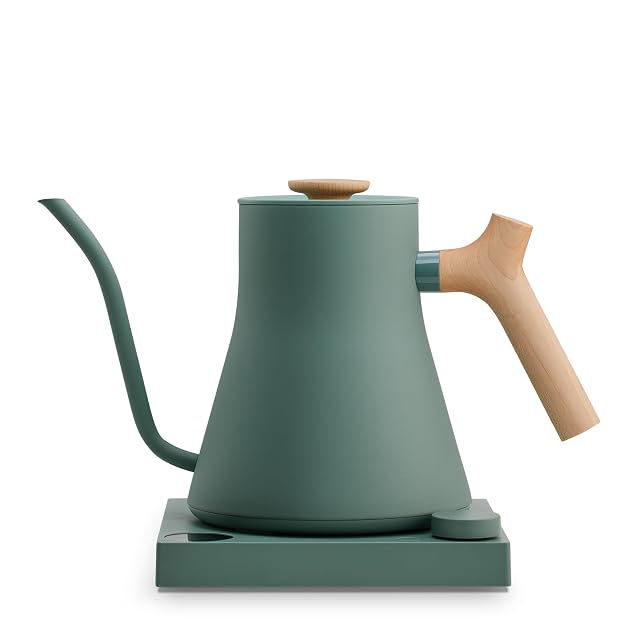
    Fellow Stagg EKG Pro

    0.9 L · ±1 °C hold · counterbalanced gooseneck

    The best-pouring kettle sold, and the hold function matters more than the thermometer. Expensive for boiling water — but if you brew pour-over daily, it is the accessory that most improves the cup.

    Best for: Daily pour-over, where flow rate is the variable you are trying to control.

    8.6/10

    ≈ $195 / £165 / 180 €